radiant life chiropractic

Kind People Live Longer

radiant life chiropracticA new study from the University of North Carolina showed that our genes respond to kindness. The research included three groups of people – one group that learned to meditate, one group that learned a special loving kindness meditation, and a control group that did not meditate at all.

The results were startling. The group that learned and practiced the loving kindness meditation had measurable changes in their genetic material – specifically, the protective end caps on each chromosome, called telomeres, showed decreased wear and tear.

Why is that important? The wear and tear on the telomeres is a sure sign of aging – in other words, those who practiced the kindness meditation actually slowed their aging process! That means that there is a direct relationship between being kind and living longer.

So, there’s more to kindness than just being a nice person, though that is of course a good thing to be. It turns out that looking for ways to express kindness is good for you as well as those you are kind to – it extends your life, makes your body work better, and it feels really good, too!

Practice kindness – it will make this world a better place, and also give you more years to live and enjoy. If you struggle with meditation but want to get the benefits, look at one our previous blogs about the 6 phase meditation. In addition to that, we will be introducing BrainTap soon. It is a device that utilizes light and sound therapy to help restore your brain’s natural balance so you can feel relaxed, rebooted and revitalized anytime, anywhere. BrainTap has been used with positive results for people dealing with anxiety, depression, fatigue, brain fog and more.

chiropractors in pa

Sleep Meds and Dementia

Sometimes I’m blown away by the audacity of thinking you can safely introduce chemical agents in generalized form and dosage into the Rubik’s Cube of human physiology. Compromising even one biochemical reaction can affect dozens, hundreds or even thousands of related metabolic cascades. I mean, what could go wrong? Yes, often it’s minor and flies below the radar, but any foreign substance we ingest may disrupt us and/or harm us.

chiropractors in pa
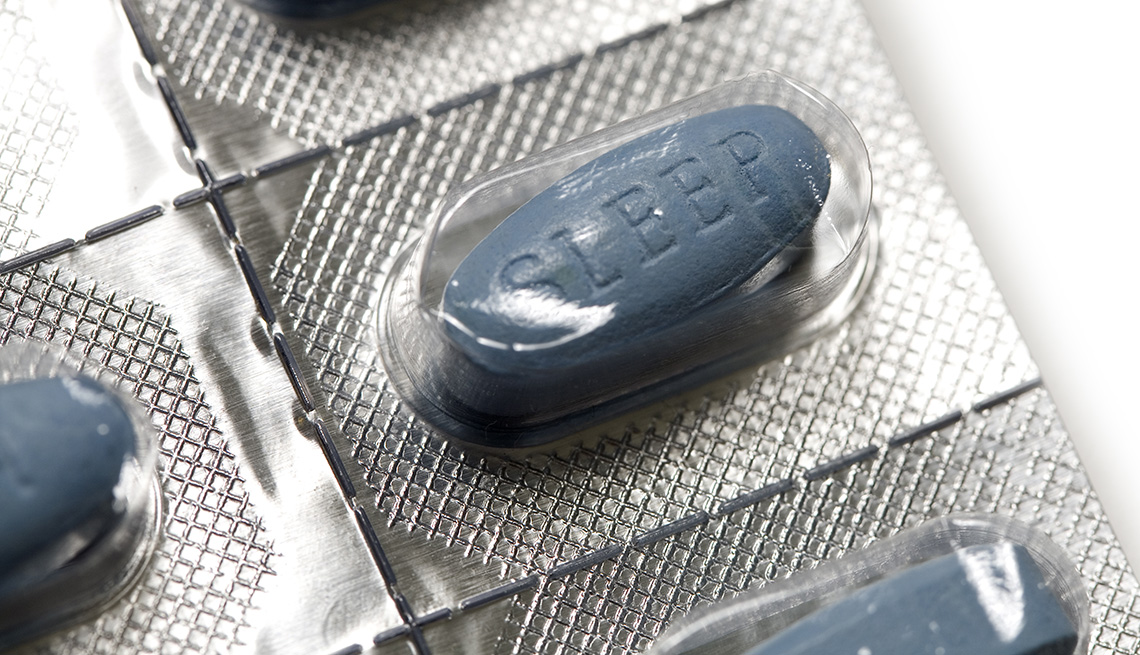
Sleeping medication in packaging

The most recent example comes from the Alzheimer’s Association International Conference 2019, where scientists demonstrated that frequent use of sleep medications is strongly associated with a greater likelihood of dementia in later life.

Over three thousand people, age 70-79, all of whom were cognitively healthy when the project began, were analyzed for the use of sleep medications over a fifteen year period. The results were shocking – those who used sleep medications regularly were 43% more likely to develop dementia. 43%!

Lead author Dr. Yue Leng from University of California San Francisco doesn’t say the drugs alone are causing the dementia; she says that they may be part of a syndrome including sleeplessness. But she does say, “Usually when people have sleep problems, they’re prescribed these medications by default. But few studies have looked into what the medications are really doing to their body and to their brain.”

How insightful and forward-thinking! Drugs that force body responses invariably will have some side effects – actually, they’re not side effects, they are effects. Whatever the intention, these consequences still occur and may exacerbate already existing conditions or create new ones.

It’s just a simple sleeping pill, you might think, and that is the point. All medicines are potentially hazardous, and carry their own risk/reward ratio, immediately apparent or manifesting over time. This is the reason that chiropractors are so determined to align with nature whenever possible – even Hippocrates, the father of medicine, said “Primum non nocere, first do no harm.”

And as Dr. Leng says, the prescription of such medicines is a knee-jerk, a default to commonly accepted treatment, regardless of the resources of the patient. Why not try meditation, exercise, hypnosis, BrainTap, nutrition, and of course chiropractic care, before opting for toxic drugs?

This research invites us to reconsider the jeopardy of our medical decision-making, and paves the way for a more organic methodology. Drugs are a mixed bag, and should be used only when conservative efforts have been exhausted. Chiropractors can offer alternatives that support healthy sleep patterns, not just battle insomnia. Adopt a wellness lifestyle, and enjoy a better overall quality of life.

stress relief bucks county

A Stress-Dissolving Strategy

‘Tis the season for fun, family, friends…and stress. November and December go hand in hand in with increased amounts of sugar, financial obligations, parties, extended family time, alcohol, vacations, and carbohydrates. Even the things meant for fun and enjoyment tend to bring a certain level of stress. Each and every spike of stress stands toe to toe with the body’s most powerful asset in the war on peace: the central nervous system.

Too often the body’s stress defense system enters the holiday season ill-equipped for the barrage of concerns that come knocking. The nervous system filters and processes stress and hormone-related spikes. An improperly functioning central nervous system tends to become compromised by sickness, fatigue, and general disrepair. The solution starts now.

stress relief bucks countyA proactive approach to health care beats any sort of medicinal reaction after unwanted symptoms descend on the holidays. The key to managing health begins with preparing the body with optimal defense. More people get sick around the holidays than at any other time of the year. Cold weather, poor eating habits, sugar, and stress wipe out even the healthiest and strongest men and women in the room. Yet many people living in those same homes and eating the same foods remain healthy. The reasoning starts at the source of all health: the nervous system.

The brain and central nervous system direct immunity within the body. Immune capacity originates from a group of organs which coordinate and direct specific blood cells to monitor, fight, and clean up areas of concern. The cleaner the body, the lesser the stress on immune fighters. The flip side mirrors a dirty trash dumpster filled with flies and other parasites hunting for a free meal. Toxins weaken the body and sap energy. The key to staying well involves keeping the body clean, strong, and full of energy.

Lifestyle plays a significant role in keeping the body clean and immunity strong. Eating well, exercising, taking good supplements, and working on mental and emotional health prove to be key ingredients in creating a healthy and resilient body. Yet the most pivotal area which directly influences stress levels remains the hub of all bodily health. The benefits of improved spinal health through chiropractic spinal adjustments provide the essential key to overall empowerment.

Research from 2014 demonstrated a link between chiropractic spinal adjustments and stress. The study showed that one adjustment improved blood plasma biomarkers linked to stress response. Blood samples were taken before, immediately after, and two hours after the intervention. Remarkable results showed how chiropractic spinal adjustments improved hormones linked to reducing stress and pain in the body. The landmark study helped explain why so many chiropractic patients experience benefits far beyond back and neck pain relief. Chiropractic reduces stress in the nervous system and subsequently opens a doorway for better sleep, energy, healing, and function.

According to the American Institute of Stress, 44% of Americans feel more stressed than they did just five years ago. Stress presents a significant challenge to men and women of all ages, especially around the holiday season. Chiropractic provides a proactive, stress-dissolving strategy that begins with more people understanding the power within the body. ‘Tis the season for vibrant joy, laughter, and memories. Welcome the season by empowering the whole family with chiropractic!

The Journal of Orthopaedic and Sports Physical Therapy April 2014
“Changes in biochemical markers of pain perception and stress response after spinal manipulation.”
G Plaza-Manzano, F Molina-Ortega, R Lomas-Vega, A Martinze-Amat, A Achalandabaso, F Hita-Conteras
relaxation techniques in bucks county

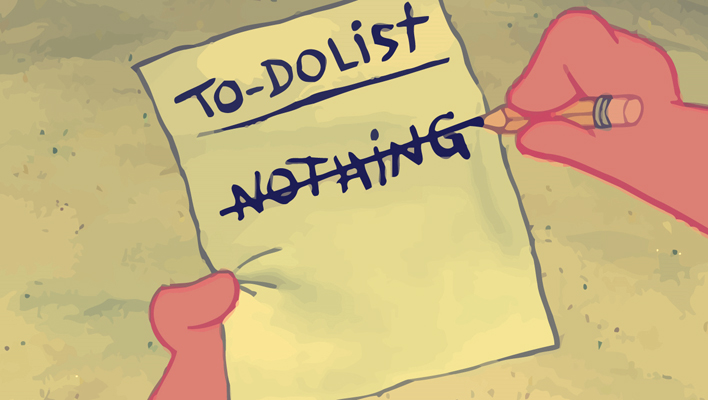
12 Secret Benefits of Doing Nothing

“Best Life” points out that in our turbulent and complex times, we could all benefit from a little unstructured time to regroup. Our lives are so busy, between work, family responsibilities, and social obligations, with every available scrap of free time eaten up by social media, round-the-clock news coverage, email and hobbies. It’s hard to squeeze in any time at all that isn’t programmed for maximum productivity, yet it turns out that there are significant advantages to doing absolutely nothing.

relaxation techniques in bucks countyThink of it this way – your mind and body work together to keep you healthy, and this happens when you are in “up time” the right amount and in “down time” the right amount. This varies from individual to individual, so see how many of these advantages might inspire you to plan a little unplanned time in your busy schedule.

  1. You’ll be mentally stronger. While a 2014 study from University of Virginia showed that more people would rather receive electric shocks than be alone with their thoughts, research shows that mentally strong people take time to be alone with their thoughts.
  2. You’ll be more compassionate. When you disengage the distractions and stresses of every day, the solitude gives you a chance to consider and better understand the human condition, and delve more deeply into your innermost feelings and convictions.
  3. You’ll cope better with change and the unexpected. The HSE Laboratory of Positive Psychology tested 200 students and found that those who felt good about alone time tended to be more mature and more resilient to life’s challenges.
  4. You’ll feel more well-rested. A survey of 18,000 participants showed that “spending time on my own” and doing nothing was one of the top choices on how to recharge.
  5. You’ll be happier. A 2016 study published in the British Journal of Psychology asked 15,000 adults about their levels of life satisfaction, and found that people who spent more time alone with less social interaction felt more fulfilled.
  6. You’ll be more productive. People who take some down time find that when they return to the usual daily activities, they feel rejuvenated and better equipped to get things done.
  7. You’ll be more creative. A 2017 study from the University of Buffalo showed that individuals who spent time alone were better able to express themselves creatively.
  8. You’ll be better at solving problems. Stepping back and clearing your mind, even sleeping on a problem, is often the shortest distance between you and your best answers.
  9. You’ll be more self-reliant. Being fully engaged in our work, family and social circles breeds a dependence on others, while being alone generates self-esteem, self-dependency and self-reliance.
  10. You’ll reboot your brain. Seizing some unscheduled time can give you a break to let many thoughts settle, which makes it easier to restart your mental processes.
  11. You’ll concentrate better. The influx of email, texts, phone messages and other communications eat our bandwidth and clutter our thinking. Declaring a moratorium on such input makes it possible to take back control of your thoughts and mental capacity.
  12. You’ll think more deeply. Our days are so packed with stuff to do and think about, it’s hard to separate out a little time to ponder the most important things in life. Taking a little time out gives you an opportunity to ruminate on your key values, beliefs and organizing principles.
  13. You’ll be less stressed. A research project at the University of Rochester in 2017 showed that quiet time slowed down the parts of the brain that caused heightened awareness, which led to easier access to relaxed states.

In this crazy era we live in, take a little time for yourself to be alone with your thoughts – you’ll be healthier, happier and you’ll perform better, too.

improve posture

Report Links “Horn-Like” Growth on Back of Skull to Phone and Computer Use

improve postureThe title sounds like a tag line for a new movie. New research states that permanent bone structure changes take place at the back of the skull as a result of extended amounts of time in a forward head posture position. Authors of the study attribute the cause of the increased amount of forward head posture to increased time on technology devices such as phones and computers. The research evaluated x-ray findings of 1,200 subjects ranging from ages 18 to 86 years old. Evaluators call the small bump on the back of the skull an extension of the External Occipital Protuberance (EOP). A ligament and muscle attach to the EOP. Researchers found that an extra small bony growth was found at higher incidence in younger adults who had greater degrees of forward head posture. The small horn-like growth appeared to be caused by increased amounts of stress on the muscles, tendons, and ligaments in that area due to forward head posture. As stress loads increase in ligaments, muscles, and tendons for long periods of time, bony deposits form within the body as a protection mechanism.

An increasingly sedentary lifestyle accompanies massive amounts of time spent looking forward and down at devices. An adaptive process takes place within the body to alleviate the added weight and pressure being placed on the back of the head and neck. An incredible amount of strain prompts bone to infiltrate the tendon as muscles at the back of the skull work to prevent the head from falling down to the chest. Weight added to the spine dramatically increases when forward head flexion increases at varying intervals. A 0° interval produces a measurable head weight on the neck of 10 to 12 pounds. A 15° interval of forward head posture increases weight on the neck by 27 pounds. A 30° interval increases weight on the neck by 40 pounds. A 45° interval increases the weight on the neck by 49 pounds. A 60° interval increases the weight on the neck by 60 pounds.

The extra stress from forward head posture on the neck and skull produce significant effects. Commentary focuses on the shocking presence of the bone spur but the protrusion registers as the smallest of concerns. The process involved in the bone spur formation indicates a danger and concern far greater than anything superficial. Improper head and neck configuration signify abnormalities in the nervous system and dangerous long-term outcomes for a person’s overall health, function, and performance. These bone spur formations take a long time to develop. Individuals who suffer from EOP spurs began applying stress and strain to the head and neck area during the early stages of childhood. The length of time needed to form a bone spur suggests that sustained improvement in posture and head positioning prevent accompanying effects and allows for correction and healing. Chiropractic care plays a vital role in helping reduce stress and abnormal spinal positioning which promote disease, discomfort, and long-term health concerns. Research continues to alert people to the dangers of overusing technological devices as they pertain to deteriorating effects on the head, neck, and spine. Chiropractic helps relieve the damaging effects of forward head posture while providing education and care plans for the sustained health and function of the neck, spine, and nervous system.

bucks county chiropractors

Optimism and Longevity

A recent article showed a connection between being optimistic and living a longer life. Derived from the NPR podcast series “LifeKit,” the article proclaimed in no uncertain terms that if you have a cheery outlook, it can add years to your life to enjoy the fruits of that great attitude.

bucks county chiropractorsA recent study from Boston University School of Medicine and the Harvard School of Public Health, published in the journal “Proceedings of the National Academy of Sciences,” says that, independent of other lifestyle parameters, optimists are more likely to live past age 85 than pessimists. Apparently, it pays to look on the bright side.

And before you start wondering if somewhat negative thinking may doom you to an untimely demise, it turns out that for those who don’t naturally tend toward a sunny mood, these patterns of thinking and behavior can be learned and instituted by anyone.

Don’t make the mistake of thinking that optimists are devoid of problems – they (we) have the same issues and challenges that everyone has to deal with. It’s just that the optimists find a way to frame their experiences so they are not unnecessarily painful or difficult, and theoretically that conservation of emotional energy serves as a mechanism for ongoing function and longer life.

The lead author on the study, clinical research psychologist Lewina Lee, said “We wanted to consider… benefits of psychological resources like optimism as possible new targets for promoting healthy aging. The more we know about ways to promote healthy aging the better.”

Previous research has indicated that optimism reduces the risk of depression, heart disease and other chronic diseases. So, it’s reasonable to expect that longevity would also be influenced, and this lengthy study showed just that. Almost 70,000 women were tracked over ten years, plus an additional 30-year study on more than 1,400 men, correcting for lifestyle choices like smoking, diet and alcohol use, to evaluate the connection between positive perspective and length of life.

The results were measurable and significant. The most optimistic men and women lived 11-15% longer than those who were most pessimistic, dramatically increasing the odds of living to 85 or longer. They also seemed to be more likely to handle the stresses of their lives, suggesting that they will also be less likely to suffer from liver and gastrointestinal problems, traditionally related to a negative or unhappy demeanor.

A related study done by psychologist Judith Markowitz of Northeastern University uncovered eight patterns to increase optimism, including noticing and sharing a constructive event each day, writing a gratitude journal and setting daily goals, focusing on our own strengths and productive qualities, self-reframing, practicing mindfulness and doing nice things for others.

Could it really be that easy? Simple, maybe yes, but easy, well, no. Those who do not naturally lean toward a happy worldview will need to examine their beliefs, values and habits, and explore where they can tilt the odds in their favor. Like a muscle, working out your upbeat emotions will build strength and certainty, and the abovementioned tools will surely help those who need them.

Optimists are generally more fun to be around, but now it turns out that they will often be around longer – if that’s what it takes to increase your lifespan, why not try it on and see what happens next.

healthy eating bucks county

Obesity Hurts Your Brain

Most of us inherently know that carrying too much body weight is probably deleterious to our health. But most of us think that it primarily leads to heart disease and diabetes, and to be sure this is a legitimate concern, but it’s not all we need to worry about.

Recent studies are demonstrating that obesity is also bad for your brain, and this may turn out to be the most frightening and insidious consequence yet.

healthy eating bucks countyA research project at the University of Miami Miller School of Medicine evaluated 1,289 people, average age 64, where 27% were considered normal weight, 44% were overweight and 29% were obese, based on the customary interpretation of Body Mass Index (BMI) and waist circumference. They also ran MRI scans of their brains, to create a baseline so they could track any changes.

What they discovered is alarming – six years later, they found a distinct correlation between overweight and thinning of the cortex, a sign of brain degeneration. And, they found that the bigger the waistline, the thinner the brain.

Neurologist Tatiana Rundek, director of the Evelyn F. McKnight Brain Research Institute, said, “These results are exciting because they raise the possibility that by losing weight, people may be able to stave off aging of their brains and potentially the memory and thinking problems that can come along with brain aging.”

Younger subjects seemed to have a more pronounced impact, suggesting that the earlier we detect and respond to the harmful effects of obesity, the more likely that the person will rebound and restore their brain to more normal status.

Generally, the brain does get thinner with aging, at a measured rate of .01 to .1 millimeters per ten years, so the findings are significant – those who were overweight clocked in at about .1 mm of thinning, in six years rather than ten, almost double the expected rate, while those who were obese more than doubled that rate of brain deterioration. “Our results would indicate that being overweight or obese may accelerate aging in the brain by at least a decade,” Dr. Rundek reported.

This is of course highly distressing, since 60% of our population is overweight and as much as 30% considered obese. This foretells an even more serious neurological epidemic than we presently have, which risks massive suffering, not to mention draining our financial resources, if nothing is done to prevent it.

That’s why the chiropractic wellness lifestyle is more than just a good idea. If you care about a healthy later life, and you want the same for your friends and family, let’s seize this moment to re-route our health objectives to retain a better BMI and waist circumference – it will pay off in a healthier brain, a longer life, and less health expense.

Staying healthy may not be all that complicated, but it requires that we raise our standards, develop better beliefs and choose winning strategies for optimal well-being. Take responsibility now, before it’s too late — spread the word of brain-based wellness, and take action to safeguard your health future and the future of those you care about.

Our Veterans Deserve the Best Care

back pain care in bucks countyOur susceptibility to physical pain can come from many factors, and the types of pains we are susceptible to can vary from person to person. For example, veterans are found to be at risk of chronic pain due to such a physically demanding career. Not only are veterans highly susceptible to physical pain, but they are also likely to experience PTSD or depression, to be smokers, and to have a substance use disorder. When it comes to their pain management, it’s not uncommon to want to treat the symptoms to provide relief. Unfortunately, for many veterans, this means heavy medication use, often including addictive and sometimes dangerous opioid medication such as oxycodone and hydrocodone. However, what would happen if veterans’ pain was looked at from a different approach, in which addressing the cause of health concerns was the main focus rather than just managing the symptoms?

A recent study published in Pain Medicine looked at the rates of opioid usage among veterans before and after starting chiropractic care. 31% of veterans studied had been prescribed opioids, 56% were in moderate to severe pain, and 20% were diagnosed with a substance abuse disorder. What researchers found was astonishing: the rate of opioid usage among these veterans significantly dropped within the first month of starting chiropractic care in Montgomery County, PA. For those who put their lives on the line to serve our country, this is amazing! By working to eliminate the cause of pain rather than merely treat the symptoms, we can let our bodies heal. Chiropractic care in Bucks County allows each of our bodies to function at 100% of our best: because we deserve it!

healthy lifestyle montgomery county pa

Which Makes You Happier, Exercise or Money?

A new study, performed by researchers at Yale and Oxford and published in The Lancet, surveyed 1.2 million Americans and made a remarkable observation – people who exercised regularly were significantly happier than those who did not.

The survey was based on a simple question – “How many times have you felt mentally unwell in the past 30 days, for example, due to stress, depression, or emotional problems?”

healthy lifestyle montgomery county paThe results were startling. People who exercised on a regular basis had about 35 “bad days” per year. People who did not exercise reported 50% more bad days, 53 per year. In other words, people who included regular exercise in their lifestyle are 50% happier. That result was impressive but may not be that shocking.

However, interestingly, they found that exercisers feel just as good as people who don’t engage in physical activity but make $25,000 more per year – so, exercise makes you happier than money.

The study recommended three to five training sessions per week, about 45 minutes each. Too much less, and you wouldn’t create the desired impact; too much more and you’d risk the wear and tear or fatigue starting to reduce happiness.

Logically, once you get into better physical condition, you can push the boundaries to suit your needs, but the point is that you don’t need to overdo your exercise to maximize your happiness. Get in shape physically, and you’ll be getting into shape emotionally, too!

Obviously, to exercise, you must be physically able to do so. If you are suffering with chronic or acute pain, let us evaluate you and see if we can get you to the point that you can return to exercise without causing harm. If you are not in pain but are ready to begin exercising for the first time in a little while, let us help maximize your performance and limit any potential injuries, aches or pains with specific chiropractic care! Your body will thank you for doing so!

best chiropractors in montgomery county pa

New Study Shows Walking in Nature Reduces Stress

A recent study done at the University of Michigan and published in “Frontiers in Psychology” shows that a twenty-minute walk in a natural setting actually reduces the amount of stress hormones in your bloodstream.

When we are under stress, our body releases a chemical called “cortisol” into our blood, which prepares us for “fight or flight” – we get hormonally juiced up in case we either have to defend ourselves or run away. The problem is, most of us spend too much time in this over-aroused state, and that is very hard on our brains and bodies. Short-term this response is a very adaptive benefit, but long-term it can kill us.

best chiropractors in montgomery county paAnything we can do to restore our cortisol levels to a normal balance is going to eliminate the negative effects of stress, and that’s why research on walking outside to decrease stress hormones is so important – instead of taking a stimulant or anti-depressant, a simple walk can return us to feeling happy, peaceful, energized and less stressed.

The study demonstrated that a pleasant stroll in nature three times per week dropped the amount of cortisol in the blood by 10%, enough for people to notice a significant difference.

It’s important to note that stress doesn’t only affect the emotions, it affects physical health too. Stress has been linked to high blood pressure, heart disease, obesity, chronic pain, and many other conditions. Being stuck in that stress response makes our muscles tighter, our blood pump faster, and our digestion decrease in efficiency and effectiveness. Our body does not care about healing or regenerating when it feels like it is in survival mode.

So when you relax, or do something fun, or take a nice walk, you are helping your body physically, chemically and emotionally, by reducing stress and encouraging healthy function with good lifestyle choices. If you need guidance on choosing the best strategies for you and your family, consult with us, as your family chiropractor, or we can put you in touch with and a team of natural health and wellness professionals.

Work a short walk into your schedule a few times per week – you’ll feel better, live longer and enjoy a better quality of life.

Of course, chiropractic has also been shown to help remove our bodies from that fight or flight stress response and balance our nervous system function. Make sure to schedule an adjustment if you are dealing with a lot of stress, so we can ensure proper nervous system communication. It is vital for you to function at your optimal potential!