
shoveling snow causes back pain

Snow Shoveling and Spinal Health: Tips from Your Chiropractor
shoveling snow causes back painWinter brings picturesque snowfall, turning our surroundings into a winter wonderland. The Warrington and Warminster areas experienced this not once, but twice last week! However, winter also brings the inevitable task of snow shoveling, which can take a toll on your spine if not done with care. As your Hatboro chiropractor, we want to share some insights and tips to ensure you maintain optimal spinal health during snow removal.

The Snow Shoveling Strain on Your Spine

Snow shoveling involves repetitive movements and often requires lifting heavy snow. These actions, combined with the cold weather, can contribute to muscle tension and strain on your spine. Improper shoveling techniques may lead to back pain, muscle spasms, and even more serious spinal issues.

Chiropractic Insights on Safe Snow Shoveling

  1. Warm-Up Before You Start:

Just as you warm up before exercising, warm up your muscles before shoveling. Perform gentle stretches to prepare your body for physical activity.

  1. Proper Shoveling Techniques:
  • Bend your knees: Use your leg muscles to lift, keeping the shovel close to your body.
  • Switch sides: Change your shovel-hand frequently to avoid muscle strain on one side.
  • Push, don’t lift: Whenever possible, push the snow instead of lifting it.
  1. Take Breaks:

Shoveling is a workout. Take breaks to rest and rehydrate. Listen to your body, and don’t overexert yourself.

  1. Stay Hydrated:

Even in the cold, staying hydrated is crucial for your overall health and muscle function.

  1. Post-Shoveling Stretches:

After shoveling, perform gentle stretches to release any tension in your muscles. Focus on your back, shoulders, and legs.

The Role of Chiropractic Care

Regular chiropractic adjustments can help ensure your spine is properly aligned, reducing the risk of injuries and promoting overall spinal health. If you experience any discomfort after snow shoveling, consider scheduling a chiropractic appointment for personalized care at our Montgomery County office.

Snow shoveling is a winter necessity, but with the right precautions, you can protect your spine from unnecessary strain. Prioritize your spinal health by adopting proper techniques and incorporating chiropractic care into your winter wellness routine.

Remember, a well-aligned spine is a happy spine, even in the coldest of winters!

Stay warm and keep your spine healthy!

new year new you

How Chiropractic Care Can Help You Achieve Your Resolutions

new year new youMaking health changes around the new year can be very rewarding, but they can also be difficult. Chiropractic care can be a beneficial part of your wellness routine. Here are some considerations for incorporating chiropractic care to help achieve your health goals for the new year:


  1. Overall Well-being: Chiropractic care helps with improving overall well-being through optimizing the function of the nervous system. Starting the new year with regular, proactive adjustments may help support a healthier lifestyle.
  2. Post-Holiday Recovery: If the holiday season has taken a toll on your body, whether due to stress, travel, or different activities, chiropractic care can aid in recovery and realignment.
  3. Fitness and Exercise Goals: If you’ve set fitness or exercise goals for the new year, chiropractic adjustments can help ensure that your musculoskeletal system is functioning optimally. This can contribute to better performance and reduced risk of injuries.
  4. Resolution for Better Posture: If improving your posture is one of your resolutions, chiropractic care can play a role in correcting misalignments and promoting better posture habits.
  5. Stress Management: Chiropractic care has been linked to stress reduction. Starting the new year with a focus on managing stress through adjustments and other holistic approaches may positively impact your overall health.
  6. Preventive Care: Consider chiropractic care as a form of preventive healthcare. Regular adjustments may help identify and address issues before they become more significant problems.

If you are in Bucks or Montgomery County and struggling to accomplish your new year’s resolutions, schedule a consultation with our office. Our chiropractor can assess your specific needs and tailor a plan that aligns with your health goals. We love to help improve the quality of health in the Hatboro and Warminster area communities!

combat holiday stress with chiropractic

Combat Holiday Stress with Chiropractic Care

combat holiday stress with chiropracticThe holiday season is often synonymous with joy, but it can also bring about increased stress levels. There are plenty of reasons someone can be stressed around this time of year: financial strain, increased social obligations, and time pressures. As a chiropractor, I’ve witnessed how stress impacts the body, and I’m dedicated to helping individuals navigate this festive period while prioritizing their health and well-being.

Chiropractic Solutions for Holiday Stress

  • Spinal Adjustments for Relaxation: Chiropractic adjustments are fundamental in alleviating physical tension, particularly in the spine. Misalignments in the spine can contribute to stress by affecting the nervous system. Through precise adjustments, chiropractors can restore proper alignment, reducing tension and promoting relaxation.
  • Stress Reduction Techniques: Deep breathing exercises, meditation, green exercise (exercise in nature), and guided relaxation can help reduce stress levels and promote a sense of calmness.
  • BrainTap for Stress Relief: Our office utilizes BrainTap. It is a technology that combines guided meditation, binaural beats, light therapy, and visualization techniques to promote relaxation, stress reduction, and overall well-being. It utilizes a headset with earphones and a visor or glasses equipped with LED lights to deliver audiovisual stimulation.
  • Nervous System Optimization: Chiropractic care focuses on optimizing nervous system function. A well-functioning nervous system helps the body better adapt to stressors, enhancing the body’s ability to manage and cope with stress effectively.

How Chiropractic Care Helps Beyond the Holidays

  • Long-Term Stress Management: Regular chiropractic care offers benefits that extend far beyond the holiday season. It supports the body’s ability to manage stress over time, contributing to long-term stress management and overall wellness.
  • Enhanced Well-being: Chiropractic care not only addresses stress symptoms but also supports holistic health, aiding in improved sleep, better mood, and enhanced overall well-being.

Holiday stress doesn’t have to dominate the festive season. Chiropractic care offers effective and holistic solutions to manage stress, allowing individuals to embrace the holidays with greater ease and enjoyment. By prioritizing self-care and seeking chiropractic support, individuals can navigate this busy time while fostering better health and well-being.

By providing specialized care and guidance, Radiant Life Chiropractic empowers individuals in the Bucks and Montgomery County areas to address stress proactively, allowing them to fully enjoy the holiday season while prioritizing their health.

naturally relief for headaches

Chiropractic Care for Headaches: Finding Relief Naturally

naturally relief for headachesHeadaches are a common ailment that can disrupt our daily lives and impact our overall well-being. While there are various types of headaches, tension headaches and migraines are two of the most prevalent. Many people seek relief from these headaches through conventional medications, but there’s a natural and holistic approach that may provide significant relief: chiropractic care.
Understanding Headaches:

Before delving into chiropractic care, it’s essential to understand the different types of headaches and what causes them. Common headache types include:

  1. Tension Headaches: These often result from muscle tension in the neck and upper back, leading to a dull, aching pain.
  2. Migraines: Migraines are severe, throbbing headaches often accompanied by nausea, light sensitivity, and sound sensitivity. Their exact cause remains elusive, but they are believed to involve neurological and vascular factors.

Chiropractic Care and Headaches:

Chiropractic care is a non-invasive, drug-free approach to managing and preventing headaches. Here’s how chiropractic care can help:

  1. Spinal Adjustments: Chiropractors use spinal adjustments to correct misalignments in the spine. When the spine is misaligned, it can put pressure on nerves and affect blood flow, potentially triggering headaches. By restoring proper alignment, chiropractic adjustments may reduce the frequency and intensity of headaches.
  2. Muscle Tension Relief: Tension headaches are often linked to tight muscles in the neck and upper back. Chiropractors can use various techniques, including massage and stretching, to alleviate muscle tension, reducing headache triggers.
  3. Posture Correction: Poor posture can contribute to both tension headaches and migraines. Chiropractors can help improve posture through spinal adjustments, exercises, and ergonomic advice, reducing the risk of headaches.
  4. Holistic Approach: Chiropractors take a holistic approach to healthcare, focusing on the body’s overall well-being. They may offer advice on nutrition, lifestyle modifications, and stress management, which can be vital in headache prevention.

If you suffer from chronic headaches, chiropractic care may offer a natural and effective solution. By addressing the root causes of headaches, such as spinal misalignments, muscle tension, and poor posture, chiropractors can help reduce the frequency and intensity of headaches. This holistic approach to healthcare not only provides relief but also promotes overall well-being. Consult with our Hatboro-based chiropractic office to explore your options for headache management and embark on a path towards a headache-free life. We are looking forward to making Bucks and Montgomery counties healthier one person at a time!

history of chiropractic

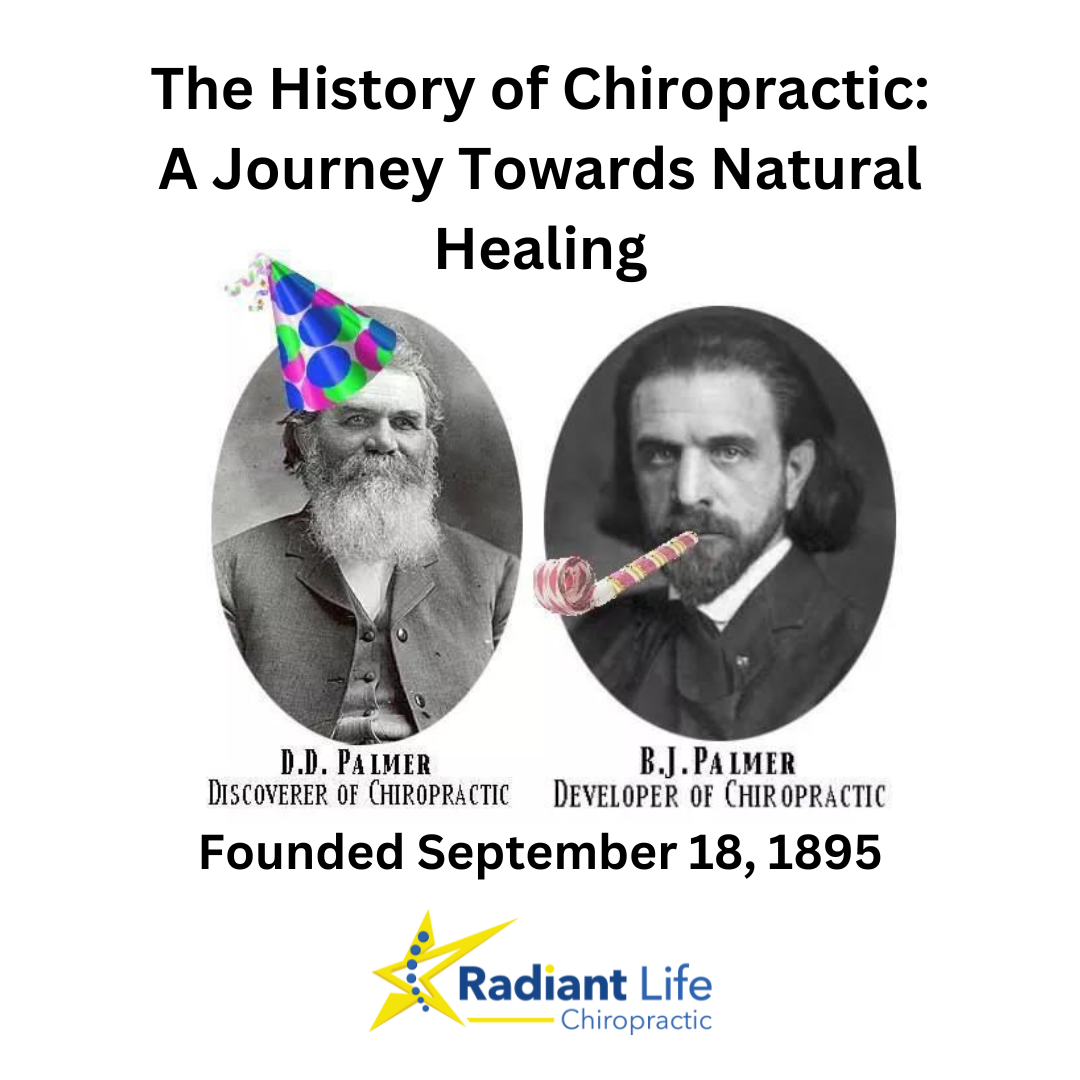
The History of Chiropractic: A Journey Towards Natural Healing

history of chiropracticChiropractic care has become a widely accepted and respected form of healthcare over the years. But how did it all begin? The history of chiropractic is a fascinating journey that, this month, celebrated its 128th birthday.


The Birth of Chiropractic

Chiropractic care traces its roots back to September 18, 1895, when Daniel David Palmer, a magnetic healer, made a groundbreaking discovery. He performed the first chiropractic adjustment on a man named Harvey Lillard, who had been deaf for 17 years. Palmer noticed a misalignment in Lillard’s spine and believed that by correcting it, he could restore his hearing. The adjustment was a success, and chiropractic was born.

Early Years and Development

In the early 1900s, D.D. Palmer’s son, B.J. Palmer, played a pivotal role in shaping chiropractic into a distinct healthcare profession. He established the Palmer School of Chiropractic in Davenport, Iowa, which became a leading institution for chiropractic education. B.J. Palmer emphasized the importance of spinal adjustments in maintaining health and well-being.

Chiropractic’s Struggles and Triumphs

Chiropractic care faced significant challenges during its early years. It was met with skepticism from the medical establishment, and legal battles were fought to establish its legitimacy. However, chiropractors and their patients stood firm, leading to the recognition of chiropractic as a legitimate healthcare profession.

The Science of Chiropractic

Over time, chiropractic care evolved to incorporate scientific principles. Research into the benefits of spinal adjustments, nervous system function, and the holistic approach to healthcare contributed to its credibility. Chiropractors began working alongside medical doctors and other healthcare providers to offer comprehensive care to patients.

Chiropractic Today

Today, chiropractic care is an integral part of the healthcare landscape. Chiropractors focus on the nervous system, primarily through the joints of the spine, to promote overall health and wellness. They help patients manage pain, improve mobility, and enhance their quality of life through natural, drug-free treatments.

Diverse Approaches to Care

Chiropractic has diversified over the years to include various techniques and specialties. Some chiropractors specialize in sports injuries, pediatric care, or geriatric care. This diversity allows individuals of all ages and backgrounds to benefit from chiropractic services. Our Hatboro office loves to serve entire families. We enjoy working with children, women during pregnancy, and athletes of all ages and abilities.

The Future of Chiropractic

Chiropractic care continues to evolve with advancements in research and technology. As an increasingly holistic and patient-centered approach to healthcare, it is likely to play an even more significant role in the future. Collaborations with other healthcare providers and a focus on evidence-based practice will further solidify its place in the healthcare ecosystem.

The history of chiropractic is a testament to the power of innovation, persistence, and a commitment to natural healing. From its humble beginnings to its current status as a respected healthcare profession, chiropractic care has come a long way. As we celebrate over a century and a quarter of this remarkable journey, we look forward to the continued growth and evolution of chiropractic in promoting health, wellness, and a higher quality of life for countless individuals worldwide. If you or a family member or friend are in the Bucks or Montgomery County areas, we would love to serve you through state-of-the-art chiropractic care. Call or book an appointment online for a complimentary consultation to see how we can help you. We are striving to create a healthier community, naturally, in the Warminster and Warrington region.

chiropractic and immune system

Nurturing Immunity in the Fall: How Chiropractic Care Can Help

chiropractic and immune systemAs the leaves change and temperatures drop, the arrival of autumn signifies a season of transition. It’s also a time when our bodies face new challenges, such as fluctuating weather, increased indoor time, and the impending cold and flu season. Fortunately, chiropractic care offers a holistic approach to health that can help boost your immune system and keep you feeling your best during this season of change. Let’s explore how chiropractic care can contribute to improved immunity during the fall.


The Immune System and Seasonal Changes

Our immune system is not static; it responds to environmental changes, including those associated with the seasons. Autumn brings several factors that can influence our immune health:

  • Temperature Variations: Drastic temperature changes can put stress on the body, affecting immune function.
  • Reduced Sunlight: With shorter days and less exposure to sunlight, vitamin D production may decrease, which is crucial for a robust immune system.
  • Indoor Crowding: As people spend more time indoors in close proximity, the risk of viral infections like the flu increases.
  • Seasonal Allergies: Autumn can bring allergens like mold and ragweed, triggering allergic reactions that may compromise the immune system.

Chiropractic Care and Immune Health

Chiropractic care focuses on maintaining proper spinal alignment and optimizing the nervous system’s function. Here’s how it can positively impact your immunity during autumn:

  • Stress Reduction: Chiropractic adjustments can alleviate stress on the nervous system, leading to reduced cortisol levels. Lower stress levels can help promote a balanced immune response.
  • Enhanced Nerve Function: Misalignments in the spine, known as subluxations, can interfere with nerve signals. Chiropractic adjustments aim to correct these misalignments, ensuring that the brain can effectively communicate with the immune system.
  • Improved Blood Flow: Proper spinal alignment can enhance blood circulation, delivering immune cells more efficiently to areas where they are needed.
  • Pain Management: Chiropractic care can help manage chronic pain, reducing the need for medications that may suppress the immune system.
  • Holistic Approach: Chiropractors often provide advice on nutrition and lifestyle to support overall wellness. This can include recommendations for immune-boosting foods, supplements, and habits.

Autumn Wellness Tips

In addition to chiropractic care, consider these tips to enhance your immune health during the fall season:

  • Maintain a balanced diet rich in immune-boosting nutrients, such as vitamin C, zinc, and probiotics. Visit our online store for high-quality supplement options including an immune enhancing bundle.
  • Stay active and exercise regularly to support overall well-being.
  • Get adequate sleep, as restorative sleep is essential for a healthy immune system.
  • Stay hydrated, as proper hydration supports various bodily functions, including immune responses.

Autumn is a season of change and adaptation. By incorporating chiropractic care into your wellness routine and practicing healthy habits, you can strengthen your immune system and better prepare your body to face the challenges of this beautiful season. Consult with our Hatboro-based office to discuss your specific needs and goals and embark on a journey toward improved immunity and well-being this autumn. We love to help keep the Bucks and Montgomery county communities healthy!

good posture

A Healthy Start: Chiropractic Tips for Back-to-School Time for Kids

good postureAs the summer days wind down and the back-to-school season approaches, it’s time to prepare our kids for a successful and healthy academic year. Beyond new backpacks and school supplies, focusing on their physical well-being is equally important. Let’s explore how our Hatboro chiropractic office can play a pivotal role in ensuring a smooth transition back to school, promoting good posture, preventing injuries, and optimizing overall wellness.

  1. The Backpack Dilemma: Choosing and Wearing Backpacks Wisely

a) Proper Fit: Selecting a backpack that fits well and distributes weight evenly can help prevent strain on your child’s shoulders and back.

b) Weight Management: Encourage your child to pack only essential items to avoid overloading the backpack. A backpack should weigh no more than 10-15% of your child’s body weight.

c) Two-Strap Rule: Emphasize the importance of using both shoulder straps to evenly distribute weight across the back. This reduces the risk of developing poor posture or spinal misalignments.

     2. Promoting Good Posture for Learning Success

a) Ergonomic Study Spaces: Set up a comfortable and ergonomically friendly study area at home, with a supportive chair and proper desk height to encourage good posture while studying.

b) Screen Time Awareness: Limit excessive screen time and encourage breaks every 20-30 minutes to prevent digital eye strain and poor posture.

c) Chiropractic Check-Ups: Regular chiropractic adjustments can help maintain proper spinal alignment, supporting good posture and reducing the risk of discomfort. We love serving families in the Bucks and Montgomery County areas.

     3. Preventing Sports-Related Injuries

a) Warm-Up and Stretching: Encourage your child to warm up before participating in sports or physical activities. Incorporate dynamic stretches to prepare muscles and joints.

b) Protective Gear: Ensure your child wears appropriate protective gear, such as helmets, knee pads, and mouthguards, to prevent injuries during sports and play.

c) Chiropractic Sports Care: Pediatric chiropractors can provide sports-specific care to help optimize performance, prevent injuries, and support a speedy recovery if any injuries occur.

     4. Boosting Immune Function for a Successful Year

a) Balanced Nutrition: Provide a well-rounded diet rich in fruits, vegetables, whole grains, lean proteins, and healthy fats to support your child’s immune system. Our Warminster area office also provides recommendations for high-quality supplements, when appropriate, to support the immune system as kids transition back to school environments.

b) Hydration: Encourage your child to stay hydrated throughout the day to maintain optimal immune function and overall well-being.

c) Chiropractic Wellness Visits: Chiropractic care can help enhance nervous system function, which plays a vital role in immune response and overall health.

Back-to-school time is an exciting opportunity to set the stage for a healthy and successful academic year. By incorporating chiropractic care into your child’s routine, you’re investing in their well-being, posture, and overall health. From choosing the right backpack to promoting good posture and preventing sports-related injuries, chiropractic care offers a holistic approach to supporting your child’s physical and academic journey. Help your kids start the school year on the right foot – with a healthy spine, strong posture, and a confident stride toward a bright future! Schedule a consultation today!

chiropractic care for extremities

Moving and Feeling Better: Chiropractic Care for Extremities

Are You At Risk for Chronic Knee Pain?

Do your knees hurt? You’re not alone. Chronic knee pain is thought to affect up to 25% of adults and can significantly limit your mobility and quality chiropractic care for extremitiesof life. Your knee is a hinge joint that primarily moves back and forth (flexion and extension) and allows some twisting or rotation. Every step you take places stress and strain on your knees, so it’s no surprise that trauma, misalignment, and degenerative changes can all take their toll.


While knee pain may not be entirely preventable, there are steps you can take to keep your knees as healthy as possible. At the top of the list is to watch your weight. For every pound you are overweight, your knees must absorb an extra 4 pounds of pressure when you walk, run or climb stairs. In addition, the cartilage in your knee is designed to last a lifetime if you take care of it.

Here are a few additional ways to keep your knees healthy and strong.

  • Warm-Up Before Exercising: Stretching your quadriceps and hamstrings before and after you exercise is a smart way to reduce the chance of a flare-up of knee pain.
  • Find Adequate Foot Support: Every step you take transfers force from the bottom of your foot to your knee. Therefore, your shoes should provide the support you need to keep your knees healthy for at least 10,000 steps per day.
  • Maintain a Full Range of Motion: Ensuring your low back and hips are moving freely is essential to overall knee health.

The joints of your body should have a balance of strength and flexibility through their full range of motion. Unfortunately, it’s not uncommon for people with back issues to struggle with knee pain after limping around for a few weeks. We encourage our Hatboro-area patients to be proactive with their health. Use the strategies above to help reduce your chances of knee pain and be sure to schedule an appointment at our Horsham Township office if you encounter any knee pain or restricted motion.

Tennis Elbow? But I don’t even play tennis!

Tennis elbow isn’t just for athletes. Lateral epicondylitis (tennis elbow) is a painful condition when the tendons in your elbow are inflamed and overloaded due to repetitive motion.

Because of the motion that occurs when swinging a racket, it’s commonly referred to as tennis elbow, but anyone with a job that features repetitive arm motions may be at risk.

Tennis elbow can become a serious issue because of the pain and weakness that make it difficult to perform daily tasks. Because it’s an injury caused by repetitive motion, finding ways to decrease the inflammation and improve your biomechanics is critical.

Three natural ways to help reduce the pain associated with tennis elbow include:

  • Rest: Giving your arm time to rest is important to stop the cascade of inflammation and pain
  • Ice: Icing a few times per hour is a smart strategy to reduce pain and inflammation.
  • Technique: Be mindful of how you are moving your arm, use proper ergonomics, and use a brace for a short time if necessary

Tennis elbow is usually not a condition that will go away on its own. However, we’ve found two key strategies for reducing the pain associated with tennis below. First, begin an at-home exercise routine to strengthen your supporting muscles. The second is receiving adjustments, when necessary, to improve the motion and movement of your elbow joints. If you or someone you know in Montgomery County has struggled with tennis elbow, call us so we can provide you with a plan to find relief.

Next Steps:

In conclusion, chiropractic care is integral to the journey toward better mobility, strength, and overall well-being. It’s not only about the spine but also the care for your extremities. If you’re struggling with pain or lack of motion in your limbs, don’t let it keep you from the activities you love. Reach out to our practice today. We’re committed to helping you move better, feel better, and live a more fulfilling life. Your journey to a healthier you starts here. Remember, chiropractic care is a step towards enhanced health and pain-free life. Don’t hesitate to contact us today!

Science Sources:
Chronic Knee Pain. Healthline. 2021
Tennis Elbow. Orthoinfo by the American Academy of Orthopedic Surgeons. 2021
Difference Between Your Hip and SI Joint

What’s the Difference Between your Hip and SI Joint

Difference Between Your Hip and SI JointBottom Line:

It can be extremely confusing to figure out the difference between hip and SI (sacroiliac) joint pain. But being able to identify which one is the culprit is crucial when you are looking to find relief. Your SI joint connects your tailbone (sacrum) and your pelvis. The SI joint is very fibrous and only moves a few millimeters. On the other hand, your hip is much less stable and allows your entire leg to move in every plane of motion.

While the hip and SI joints are very different in structure and function, they share similar pain patterns, making it difficult to tell one from the other. It’s common to have SI joint pain mimic low back pain. Bending backward usually aggravates SI joint pain due to the compression that happens in the joint as you move. Hip pain is more likely to occur when you walk or try to bring your knees to your chest.

Why it Matters:

Hip Pain: characterized by pain with walking, weight-bearing, and rotating the leg

SI Joint Pain: characterized by difficulties while standing, walking, climbing stairs, and getting out of the car.

Low Back Pain: characterized by pain that radiates into the buttock or leg and may travel down to the foot

Next Steps:

Suppose you’ve felt discomfort and aren’t exactly sure if it’s your hip, SI joint, or low back- it’s important to schedule a complete evaluation to determine the source of your pain. This is important because our hips tend to become degenerative as we age, and if your doctor is only looking at a hip X-ray to determine a plan of care, you may find yourself getting treatment for a problem you don’t have. At our Hatboro practice, we take a holistic approach to our evaluations, and our movement assessments ensure that we can pinpoint your challenges so that you get the best care plan to live your highest quality of life. We love taking care of the Warminster and Warrington area community.

Science Source:
Sacroiliac Joint Dysfunction. Spine-Health 2021
shoulder pain relief

How to Find Relief from Shoulder Pain

Bottom Line:

Your shoulder is the most unstable and moveable joint in your body. Its wide range of motion occurs due to four primary muscles and their tendons, called the rotator cuff. If your shoulder becomes inflamed or an impingement happens, you may make the mistake of trying to avoid using your arm to help it heal. It may surprise you that not moving can contribute to more pain or even lead to a frozen shoulder. Controlled movement is one of the shoulder pain reliefbest ways to heal.

The tendons are the most common source of shoulder pain. Your tendons attach the muscles of the shoulder to the bones. If a tendon becomes trapped, it can result in shoulder impingement. If a tendon becomes inflamed, you may hear it called tendinitis or bursitis. And if a tendon becomes torn, you guessed it; you have a rotator cuff tear.

Why it Matters:

Shoulder Bursitis: If the sac of fluid that cushions your shoulder becomes swollen and painful due to repetitive motions, you may have bursitis.

Shoulder Impingement: If your tendons get pinched between or under the bones of your shoulder, it can lead to impingement. Lifting overhead repetitively can cause impingement, resulting in swelling and pain.

Rotator Cuff Tear: Your rotator cuff can become damaged due to overuse, injury, or age. Tears usually cause pain when you try to lift things, and you may hear a popping sound as you move.

Next Steps:

Your shoulder and spine work together. While it may seem like they are two completely different areas, it’s been discovered that postural abnormalities can play a significant role in your likelihood of developing shoulder pain. Maintaining a full range of motion in your shoulder and spinal joints of your neck and mid-back can help reduce your chances of dealing with shoulder pain. If you have shoulder discomfort or restricted movement and are in the Hatboro or Warminster area, schedule a visit with us today. We’ll work to create a movement-based plan to help you find long-term relief.

Science Source: Immediate Effects of Spinal Manipulation on Shoulder Motion Range and Pain in Individuals With Shoulder Pain: A Randomized Trial. J Chiropr Med 2019