how to know your spine needs an adjustment

5 Signs Your Spine Might Need an Adjustment

how to know your spine needs an adjustmentYour spine plays a crucial role in your overall health, supporting your body’s structure and protecting your nervous system. When your spine is misaligned, it can lead to a range of health issues beyond just back pain. Chiropractic adjustments help restore proper alignment and function, improving your well-being.

Here are five key signs that it might be time to see a chiropractor for an adjustment.

  1. Persistent Back or Neck Pain

If you’re dealing with constant back or neck pain, your spine might be out of alignment. Poor posture, long hours at a desk, or improper lifting techniques can put excess stress on your spine. A chiropractic adjustment can help relieve tension, reduce inflammation, and improve mobility.

  1. Frequent Headaches or Migraines

Did you know that spinal misalignment can contribute to headaches? When the vertebrae in your neck are not properly aligned, it can lead to tension, restricted blood flow, and nerve irritation—causing frequent headaches. Chiropractic care can help relieve pressure and restore balance.

  1. Limited Range of Motion

Struggling with stiffness in your neck, back, or shoulders? A restricted range of motion often signals spinal misalignment. If turning your head or reaching overhead feels difficult, a chiropractor can perform adjustments to restore your flexibility and mobility.

  1. Uneven Posture or Shoulder Imbalance

Take a look in the mirror—do your shoulders seem uneven? Do you tend to slouch or favor one side when standing? These could be signs of spinal misalignment. Poor posture can cause long-term strain on your muscles and joints, but chiropractic care can help correct these imbalances.

  1. Tingling, Numbness, or Sciatic Pain

If you experience tingling, numbness, or shooting pain down your arms or legs, your spine may be compressing nerves. Conditions like sciatica often stem from misalignment or disc issues. Chiropractic adjustments help relieve nerve pressure and improve function.

Ignoring these signs can lead to chronic pain, reduced mobility, and long-term health issues. If you’re experiencing any of these symptoms, it’s essential to consult with a qualified chiropractor to assess your spinal health. At Radiant Life Chiropractic in Hatboro, PA, Dr. Andrew Agasar is dedicated to providing personalized, neurologically-based chiropractic care to help you achieve optimal health. Whether you’re dealing with persistent pain, limited mobility, or other discomforts, they can develop a tailored plan to address your specific needs. Regular chiropractic care helps keep your spine in optimal condition, allowing your body to function at its best.

Contact Radiant Life Chiropractic today to schedule your consultation:

  • Address: 319 W. County Line Rd., Ste. 1, Hatboro, PA 19040
  • Phone: (215) 259-5100
  • Website: getradiantlife.com

Take the first step towards a healthier spine and improved well-being with Radiant Life Chiropractic.
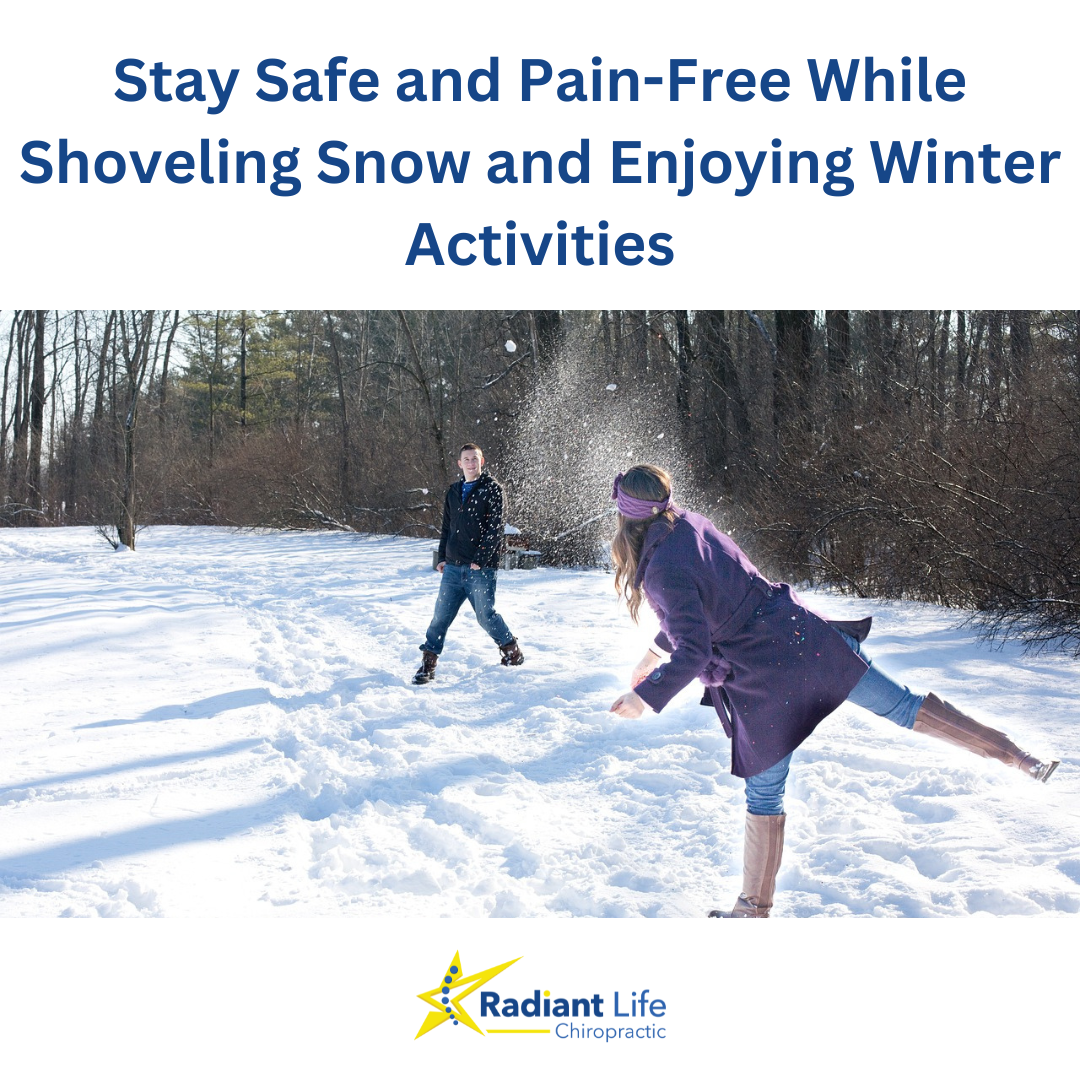
prevent back pain shoveling snow

Stay Safe and Pain-Free While Shoveling Snow and Enjoying Winter Activities

prevent back pain shoveling snowWinter in Hatboro brings a magical landscape of snow-covered streets and outdoor fun, but it also comes with physical challenges. Shoveling snow, sledding, skiing, and other winter activities can strain your body, especially if you’re not prepared. Every year, many people in Bucks and Montgomery County suffer from back pain, muscle soreness, or even injuries caused by improper technique or overexertion in the cold.

The good news? Chiropractic care at our Warminster office can help you prevent winter-related injuries, recover from aches, and stay active throughout the season. Here’s how to protect your body during snow shoveling and other winter activities while keeping your spine and joints healthy.

Why Winter Activities Can Cause Strain

Winter chores and activities often involve repetitive motions, heavy lifting, or high-impact actions that can put stress on your body. Common issues include:

  • Back Strain: Improper lifting techniques while shoveling snow can lead to muscle strain or herniated discs.
  • Neck Pain: Looking down repeatedly while shoveling or slipping on ice can cause misalignments in the cervical spine.
  • Shoulder and Arm Injuries: Throwing snow or using heavy equipment can overwork the shoulders and arms.
  • Falls and Slips: Icy conditions increase the risk of falls, which can lead to sprains, fractures, or spinal misalignments.

Snow Shoveling: Tips to Protect Your Spine

Snow shoveling is one of the most common culprits of winter back pain. Here are some tips to keep your body safe:

  1. Warm Up First
    Just like any workout, shoveling requires a proper warm-up to prepare your muscles. Take 5–10 minutes to stretch your back, shoulders, arms, and legs. Gentle movements like torso twists and arm circles can help.
  2. Choose the Right Shovel
    Use a lightweight, ergonomic snow shovel with a curved handle. This minimizes the need to bend over and reduces the strain on your back.
  3. Use Proper Technique
  • Bend at your knees, not your waist.
  • Keep your back straight and engage your core muscles.
  • Lift smaller loads of snow instead of trying to clear large, heavy piles at once.
  • Avoid twisting your torso when throwing snow—pivot your entire body instead.
  1. Take Breaks
    Shoveling is a strenuous activity, so take regular breaks to avoid overexertion. Listen to your body and stop if you feel fatigued or experience pain.
  2. Stay Hydrated
    Cold weather can make you forget to drink water, but hydration is essential for muscle function and overall health.

Enjoying Winter Activities Safely

If you’re hitting the slopes, building snowmen, or enjoying other winter activities, these tips can help you stay injury-free:

  1. Prepare Your Body
    Stretching before and after any activity is key. Focus on the muscles you’ll be using, like your legs, arms, and back.
  2. Wear Proper Gear
    Ensure you have appropriate footwear with good traction to prevent slips and falls. For high-impact activities like skiing or snowboarding, use protective gear, including helmets and knee pads.
  3. Pace Yourself
    Winter activities are fun but can be physically demanding. Know your limits and rest when needed to avoid overuse injuries.
  4. Watch for Ice
    Icy patches are a common cause of falls. Walk slowly and cautiously, and consider using ice grips on your shoes for better traction.

How Chiropractic Care Can Help

Winter activities can take a toll on your body, but chiropractic care can help you recover and prevent injuries. Here’s how:

  1. Realign Your Spine
    Snow shoveling and winter sports can cause misalignments in the spine, leading to pain and stiffness. Chiropractic adjustments restore proper alignment, improving mobility and reducing discomfort.
  2. Relieve Muscle Tension
    Chiropractors use soft tissue therapies to release tension in overworked muscles, helping you recover faster and feel better after strenuous activities.
  3. Improve Flexibility and Range of Motion
    Chiropractic care enhances joint function and flexibility, making it easier to perform winter activities without pain or stiffness.
  4. Prevent Injuries
    By addressing small misalignments or imbalances before they become bigger problems, chiropractic care reduces the risk of injuries during winter.
  5. Manage Chronic Conditions
    If you have conditions like arthritis or sciatica, winter activities can be especially challenging. Chiropractic care helps manage symptoms, improving your comfort and quality of life.

Tips for Ongoing Winter Wellness

  • Stretch Daily: Incorporate stretches that target your back, shoulders, and hips to maintain flexibility throughout the season.
  • Strengthen Your Core: A strong core provides better support for your spine, reducing strain during physical activities.
  • Stay Active: Don’t let the cold weather keep you sedentary. Regular exercise helps keep your muscles strong and your joints mobile.
  • Visit Your Chiropractor: Regular adjustments help your body stay aligned and prepared for winter’s demands.

Winter activities and snow shoveling don’t have to come with pain and discomfort. By practicing proper techniques and incorporating chiropractic care into your routine, you can enjoy the season while protecting your body from strain and injury.

If you’re feeling the effects of winter’s demands on your body, don’t wait—schedule a visit with your chiropractor today. Together, we’ll keep you healthy, active, and pain-free all season long!

tips for staying active and being healthy

Embrace Summer with Chiropractic Care: Tips for a Healthy, Active Season

tips for staying active and being healthySummer is here in Philadelphia, and it’s the perfect time to enjoy the great outdoors, soak up the sun, and engage in fun activities with family and friends. However, it’s also a season that can take a toll on your body if you’re not careful. From outdoor sports to long road trips, summer activities can sometimes lead to aches, pains, and injuries. Chiropractic care can help you stay active and pain-free throughout the summer months. Here’s how:


  1. Stay Hydrated

Proper hydration is crucial, especially during the hot summer months. Water helps maintain your spinal health by keeping the discs between your vertebrae well-hydrated. Dehydration can lead to back pain and muscle cramps, so make sure you drink plenty of water throughout the day.

  1. Protect Your Back During Outdoor Activities

Summer is synonymous with outdoor fun, whether it’s hiking, swimming, or playing sports. While these activities are great for your health, they can also put stress on your back. Remember to:

  • Warm Up: Always warm up before engaging in physical activities to prevent injuries.
  • Use Proper Gear: Invest in good quality footwear and sports gear to support your body.
  • Practice Good Posture: Maintain good posture during activities to avoid straining your back.
  1. Take Care When Traveling

Summer often means vacations and road trips. Long periods of sitting in a car or plane can lead to stiffness and back pain. To avoid this:

  • Take Breaks: Make regular stops to stretch and walk around.
  • Support Your Spine: Use a lumbar support pillow to maintain the natural curve of your spine.
  • Stay Active: Incorporate light exercises and stretches into your travel routine.
  1. Enjoy a Healthy Diet

A balanced diet rich in fruits, vegetables, lean proteins, and whole grains can help maintain a healthy weight and reduce stress on your spine. Additionally, foods high in calcium and vitamin D are essential for bone health.

  1. Schedule Regular Chiropractic Check-Ups

Regular chiropractic visits at our Hatboro office can help keep your spine aligned and your nervous system functioning optimally. Our chiropractic adjustments can alleviate pain, improve mobility, and enhance your overall well-being. During the summer, these benefits are particularly valuable as they enable you to enjoy your favorite activities without discomfort.

  1. Stretch and Exercise

Incorporate stretching and strengthening exercises into your daily routine to maintain flexibility and support your spine. Activities like yoga, Pilates, and swimming are excellent for keeping your body in shape and reducing the risk of injury.

  1. Listen to Your Body

Pay attention to your body’s signals. If you experience pain or discomfort, don’t ignore it. Taking immediate action can prevent minor issues from becoming major problems. Our Warminster-area chiropractic team is here to help you address any concerns and keep you feeling your best.

Stay Active and Pain-Free This Summer

At Radiant Life Chiropractic, we are committed to helping you enjoy a healthy, active summer. Whether you’re dealing with a specific issue or looking to maintain your overall well-being, our chiropractic care services are designed to meet your needs.

Schedule an Appointment Today!

📞 Call us at 215-259-5100

🌐 Visit us online at getradiantlife.com

Embrace summer with a healthy spine and an active lifestyle. We look forward to supporting you in all your summer adventures!

cdl physical exam

Navigating the CDL Physical Exam: What You Need to Know

cdl physical examAspiring commercial truck drivers understand that obtaining a CDL (Commercial Driver’s License) is more than just passing a written test and a skills assessment. It also involves meeting specific physical requirements to ensure the safety of both drivers and others on the road. Let’s dive into what you need to know about the CDL physical exam.


Understanding the CDL Physical Exam

The CDL physical exam, also known as the DOT (Department of Transportation) physical, is a comprehensive medical evaluation conducted by a Federally certified medical examiner. The purpose of this exam is to assess a commercial driver’s physical health and fitness to safely operate a commercial vehicle. Here’s what the exam typically includes:

  1. Medical History Review:

During the physical exam, the certified medical examiner will review the driver’s medical history, including any existing health conditions, medications, surgeries, and past injuries. It’s essential to provide accurate and complete information to ensure an accurate assessment.

  1. Vital Signs Check:

The medical examiner will measure vital signs such as blood pressure, heart rate, and pulse rhythm to assess overall health and detect any potential concerns.

  1. Vision and Hearing Tests:

Good vision and hearing are critical for safe driving. The examiner will conduct tests to evaluate visual acuity, peripheral vision, and color vision. Additionally, a hearing test is administered to ensure the driver can hear adequately.

  1. Physical Examination:

The medical examiner will perform a physical examination to assess general health, mobility, and any physical limitations that may affect driving ability. This may include evaluating the driver’s posture, range of motion, reflexes, and overall fitness.

  1. Urinalysis:

Commercial drivers are subject to a urinalysis as part of the CDL physical exam. The examiner may conduct urine tests to test for the presence of glucose, blood or protein that may indicate more serious health issues.

Preparing for the CDL Physical Exam

To prepare for the CDL physical exam, it’s essential to:

  • Gather Necessary Documentation: Bring any required documentation, such as a valid driver’s license, medical history, and medications list, to the exam appointment.
  • Maintain Good Health: Prioritize your health by maintaining a healthy lifestyle, staying hydrated, getting adequate rest, and avoiding alcohol and drugs in the days leading up to the exam.
  • Be Honest and Transparent: Provide honest and accurate information during the exam, including details about your medical history and any medications you are taking.
  • Follow Medical Advice: If the medical examiner identifies any health concerns during the exam, follow their recommendations for further evaluation or treatment.

Prioritizing Safety on the Road

The CDL physical exam is a vital step in ensuring the safety of commercial drivers and others on the road. By understanding the requirements and preparing accordingly, aspiring commercial drivers can navigate the exam process with confidence and professionalism.

Are you in Bucks County or Montgomery County and ready to take the next step toward obtaining your CDL? Contact our Hatboro office today to schedule your CDL physical exam appointment and embark on your journey to becoming a professional commercial driver.

recover from whiplash injuries

Here’s How to Recover from Whiplash Injuries Naturally

recover from whiplash injuriesBottom Line:

Your spine is a long chain of bones, discs, muscles, and ligaments that extend from your skull down to your tailbone.

The cervical spine (your neck) is designed to support your head and protect the nerves that go out to your face, shoulders, and arms.

Postural changes, arthritis, and sudden injuries are a few of the primary causes of neck pain.

Most of the time, the pain can be traced to a problem with either the muscles, bones, discs, or nerves in your neck.

That’s important to remember when considering how to recover from whiplash injuries naturally.

That’s probably a big part of what has you considering seeking chiropractic treatment for whiplash in Hatboro.

Whiplash injuries can occur during a sports accident or during a slip and fall.

And, as most of us know, whiplash injuries are also commonly sustained during auto accidents.

These injuries can cause damage to the delicate structures in your neck and lead to symptoms such as headaches, neck pain and stiffness, shoulder pain, and numbness and tingling or pain in your arms and hands.

That pain is your body’s way of saying “pay attention inside now!”

Let’s take a closer look at what happens when a whiplash injury is sustained, and, perhaps more importantly, how to recover from whiplash injuries naturally.

Why it Matters:

Over 1.5 million whiplash injuries occur each year, many from low impact collisions.

Research does in fact show that low-speed crashes can create the force necessary to cause pain and injury.

Because these injuries can be sustained in collisions other than car accidents and can occur at low speeds, many people often ignore them and have never learned how to recover from whiplash injuries naturally.

Many of you neighbors who’ve been involved in an auto accident recently are most likely seeking chiropractic treatment for whiplash in the Warrington and Horsham communities right now for that reason.

The truth is that even minor damage to the ligaments of your neck can take up to 12 weeks to heal.

In some cases, the partial tearing of the muscles, tendons, or ligaments around your spine can take several months to heal.

Depending on the severity of the ligament tearing, these injuries may also be classified as permanent.

Whiplash can also cause damage to your facet joints and spinal discs by stretching them beyond their normal range of motion.

Almost every bone in your neck has a pair of sliding joints towards the back called facet joints.

If an adhesion forms or the joint is stuck, your body will try to compensate.

A stiff neck after an accident is a good clue that a whiplash injury may have occurred.

Keep an eye out for swelling and bruising, which can take up to 24 hours to develop.

Many people may already know what symptoms to watch for, but most people may not really know how to recover from whiplash injuries naturally.

How to Recover From Whiplash Injuries Naturally

It’s essential to control any inflammation early in your treatment and improve your range of motion.

In other words, it’s key to use movement as medicine.

While it may seem strange that movement can be a good thing even if it causes discomfort, we know that controlled movement can limit the amount of scar tissue that forms and may even increase the healing rate.

Still wondering exactly how to recover from whiplash injuries naturally?

Let’s recap the key principles we just discussed.

  • Obtaining an accurate diagnosis with a complete examination and spinal imaging is the first step towards determining the best plan of care to heal from your injuries.
  • Inflammation is often the primary factor that causes pain and restricted movement after a whiplash injury.
  • Controlling inflammation naturally and reestablishing your range of motion can help reduce your pain and improve the results of your care.

Next Steps:

With the right healthcare team, most people can get back to their full life and activities without the need for drugs or surgery.

Chiropractors focus on the structure and function of your spine.

When your spine is functioning optimally, your body can heal itself, no medications needed.

When looking at how to recover from whiplash injuries naturally, a chiropractor’s care is key.

We take a holistic approach to help you recover from whiplash by examining and treating the injured muscles, ligaments, discs, and more.

Depending on the type of accident, we may choose to take x-rays or an MRI of your neck to evaluate your injuries better.

Chiropractors are considered essential after an accident because of our focus on improving your movement, biomechanics, and functional ability while reducing your pain.

Schedule an appointment to receive chiropractic treatment for whiplash in the Warminster area today if you are someone you know has been injured in a car accident.

We’re here to help guide your recovery process and theirs every step of the way.

Science Source:
The Treatment of Neck Pain and Whiplash-Associated Disorders. JMPT. 2016.
spinal discs

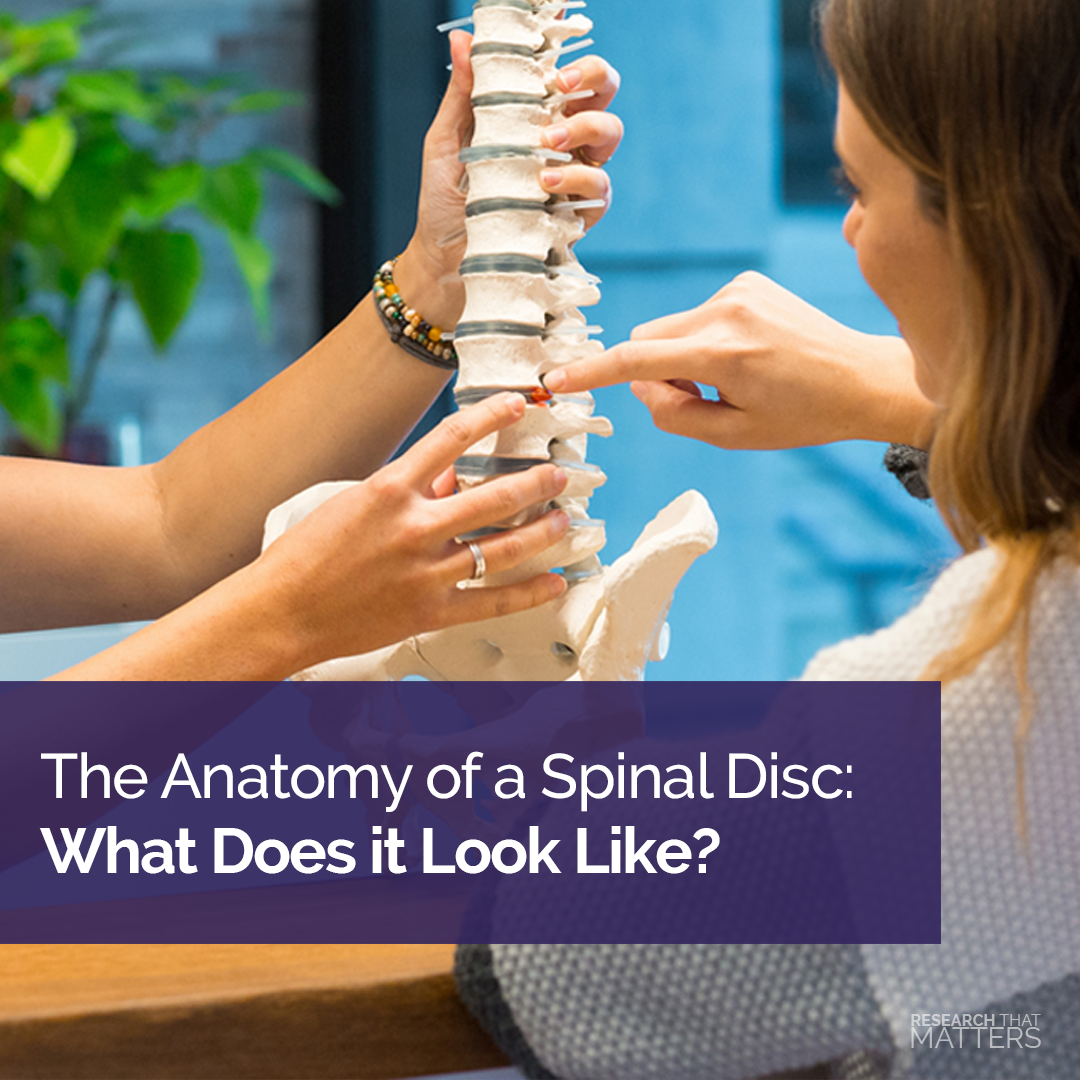
The Anatomy of a Spinal Disc: What Does it Look Like?

spinal discsWaterbeds were something else, weren’t they?


It’s still crazy to think there was a time where so many of us were sleeping on vinyl “mattresses” that were filled with gallons and gallons of water inside of our carpeted bedrooms.

What’s crazier still is that… they were actually pretty durable.

They made it through round after round of young kids playing on them and jumping off the headboard and otherwise hurling themselves right into the middle of the mattress unscathed.

And, as a chiropractor – particularly a chiropractor who specializes in back pain chiropractic care in Hatboro – I couldn’t help but think about how waterbeds can be compared to our spinal discs in more ways than one – specifically, the anatomy of a spinal disc.

Bottom Line:

The discs of the spine are some of the hardest working players in the body.

In fact, they’re a great deal like the waterbed that serves as both an impromptu child’s trampoline and a place to get some much-needed rest.

Our spinal discs are tasked with standing up to the physical stress of our day to day activities and are so important because together they allow our spine to move in all directions.

Doing what we can to keep them healthy is crucially important to our spinal health, and to better understand how we can do just that it helps to understand the anatomy of a spinal disc.

Why it Matters:

Think of your spinal discs as the tiny but mighty cushions that sit between each pair of the 24 moveable bones (vertebrae) in your spine.

In addition to cushioning the bones, each acts a small swivel that allows your body to tilt and rotate.

Maintaining the health of our spinal discs is one of the best things we can do to help minimize our risk of living with chronic neck or back pain.

And if you’ve been living around chronic neck or back pain and thinking about seeking back pain chiropractic care in the Warminster area, you’re in the right place!

Let’s dive in for a closer look at the anatomy of a spinal disc.

The Basic Anatomy of a Spinal Disc

There are 23 discs to be exact – 6 in the neck, 12 in the mid-back, and 5 in the lower back. The average size of a spinal disc is about one inch in thickness and can vary in color from light yellow to dark brown.

As we mentioned earlier, they allow the spine to be flexible and serve as its “shock absorbers,” helping to cushion the bones of the spine and keep them from grinding together.

When we break down the fundamental anatomy of a spinal disc, we know that each disc is made up of three core components: an outer layer, inner layer, and a pair of endplates that help hold the discs in place between each pair of vertebrae.

The tough, fibrous outer layer is referred to as the annulus fibrosus, and the jelly-like inner layer, the nucleus pulposus.

The nucleus pulposus helps to absorb shock and distribute pressure while the annulus fibrosus provides stability to the spine.

The relationship between these two layers can be compared, again, to a waterbed. The tough outer layer contains and protects the softer inside layer, which is mostly made up of – you guessed it – water.

And it’s the high-water content of each disc that helps keep them supple and moveable.

However, as we get older, our spinal discs tend to gradually lose fluid, causing them to stiffen.

That, in turn, can mean our discs become more prone to inflammation.

Additionally – as you may have also guessed from knowing what you now know about the anatomy of a spinal disc – they can actually start to shrink which can lead to compression of the nerves running through the spine and some potentially painful symptoms.

The importance of keeping our spinal discs healthy really can’t be overstated enough!

Next Steps:

The good news? There’s good news!

Simple movement is one of the best ways to keep your spinal discs healthy.

One thing we know from looking at the anatomy of a spinal disc is that they don’t have a particularly good blood supply.

Movement is how they bring in nutrients, and it’s those nutrients that help the discs stay healthy and push out waste that can contribute to the development of pain and inflammation.

So, make it a point to move more each day however you can – there’s no wrong way to do it!

And if your neck or back hurts, take 5 minutes for yourself, book an appointment, and let us know.

Our expert team specializes in back pain chiropractic care in Montgomery County, and, together, we’ll help get your life back from pain!

Science Source:
Intervertebral Disc: Anatomy-Physiology-Pathophysiology-Treatment. Pain Practice. 2008.
help with stress

Got Chronic Holiday Stress? Chiropractic Can Help.

Bottom Line:

help with stressAs the leading chronic pain chiropractor in Hatboro, we know a thing or two about stress and the effects it can have on our neighbors before, during, and after the holiday season.


And stress can actually be a good thing.

If a lion were chasing you, an increase in heart rate, muscle tension, and focus would hopefully help you escape unharmed!

Thankfully, you don’t need to worry about being chased by a lion today.

It might be someone cutting you off on the way to pick up your holiday gifts that could put your body into the same fight or flight mode.

Remember the last time you saw a car veering into your lane, and your heart rate went through the roof?!

That is an acute stress response in action.

Your brain and body respond to negative stress whether real or imagined, and chronic stress – yes, including chronic holiday stress – can have a profound impact on your health.

Why it Matters:

Again, in the short term, acute stress can be a good thing.

It helps us react quickly.

Your brain tells your adrenal glands to release hormones (chemicals) that help your body respond in an instant.

Adrenaline increases your heart rate, elevates your blood pressure and boosts energy supplies.

Cortisol, the primary stress hormone, increases sugar in the bloodstream, enhances your brain’s use of glucose, increases the availability of substances that repair tissues, and curbs functions that would be nonessential or harmful in a fight-or-flight situation.

This complex natural alarm system can also alter immune system responses and suppress the digestive system.

Now, normally, the body’s stress response / alarm system is self-limiting.

However, if the body’s stress response continues unchecked for an extended period of time, you may feel yourself slip into chronic stress mode.

As the go-to chronic pain chiropractor in Montgomery County, we’re here to tell you that, yes, chronic stress affects people of all ages and from all walks of life.

(Yes, even that friend you have that lives for yoga and meditates every. single. day.)

And it probably comes as no surprise that chronic holiday stress can wreak havoc on your brain and body – we’re talking heightened levels of cortisol secretion and even the development of a sensitized physiologic stress response.

What’s more, the symptoms of chronic pain and chronic stress overlap and often feed into one another, causing the cycle to continue.

Here are some key points to remember about the chronic stress cycle…

  • Chronic stress can lead to anxiety, depression, headaches, sleep problems, and potentially more.
  • Stress, pain, and inflammation are all connected by the stress hormone cortisol.
  • Spinal adjustments may be able to promote a decrease in your cortisol level.

Wait? Chiropractic care could help me with my chronic holiday stress?

Indeed it can.

Chiropractic Care Can Help You Manage Chronic Holiday Stress

Recent studies have shown that chiropractic care, specifically spinal adjustments, may help to decrease your body’s overall stress levels.

In one recent study, researchers found that participants who received chiropractic interventions for their chronic, recurring neck pain and headaches reported significant improvement in both their perceived physical and mental stress levels.

They also reported improved physical function, which is thought to be the mechanism via which chiropractic care can act to reduce the recurrence of chronic stress and chronic pain that can contribute to cycles of chronic stress.

Next Steps:

So, to put a “bow” on everything you just learned, we recommend taking some time each day to check on your own stress levels throughout the holiday season.

If you start to feel it rising, we hope you’ll give us a call, and make an appointment with the top chronic pain chiropractor in the Warminster and Warrington area for a tension relieving, soothing adjustment.

Together, our compassionate team of wellness experts can help you combat that chronic holiday stress and say goodbye to those nagging back and neck aches so you can actually enjoy the holidays this year and for many to come!

Science Sources:
Stress Management. Mayo Clinic. 2021.
Chronic Stress, Cortisol Dysfunction, and Pain. Physical Therapy. 2014.
Cortisol Levels and Chiropractic. Journal of Contemporary Chiropractic. 2020.
causes of lower back pain

Here’s What Causes Low Back Pain… and It’s Not What You Think

causes of lower back painBottom Line:

Yes, it’s true.

Low back pain is something that a majority of us – well over 80% of the world’s population – will deal with at some point in our lives.

It’s also true that a majority of this community have considered seeking low back pain treatment in Hatboro.

But, what causes low back pain exactly?

Most of us mistakenly think that any back pain we experience must be attributed to a single incident.

The time you picked up a box that was just a little bit too heavy.

The time you were hit square in the back with a baseball.

The time your best friend’s son decided to try The Rock’s (aka Dwane Johnson’s) infamous “People’s Elbow” on you while you were crouched down on the floor just trying to pick up some important papers (true story).

The truth is that it’s usually not just one incident contributing to your ongoing low back pain.

Let’s take a closer look at the low back and what you can do to turn the dial down on your nagging low back pain.

Why it Matters:

First, some fundamental anatomy.

Your low back is made up of 5 bones you’ll hear us refer to as the lumbar vertebrae, each with spinal discs in between them.

These bones protect your spinal cord which travels down through your spinal column and branches out to the left and right side in between each vertebrae.

Supporting the incredible structure that is your spine is a variety of ligaments, tendons, and muscles.

Knowing that, the “real” cause of your back pain is probably becoming clearer.

What Causes Low Back Pain

As it turns out, low back pain often occurs because the stress on a particular area of your spine has outweighed your body’s ability to adapt to and handle that stress.

And, of course, if the stress on any one area of the spine becomes too great, then an injury may occur.

When it comes specifically to what causes low back pain, the most common low back pain related injuries are sprains and strains, spinal disc bulges and herniations, and facet joint issues (misalignments, adhesions, etc).

The good news is that, in most cases, these injuries can heal pretty quickly with the right care.

We’ve helped many people seeking low back pain treatment in Warminster, just like you, find natural relief from their low back pain right here in our practice.

To put that all together…

  • Abnormal motion of the spinal joints and other structures in your low back can cause and contribute to ongoing low back pain.
  • A double-blinded, randomized controlled trial found spinal adjustments to be more effective than NSAIDs for the care of low back pain.
  • Research also strongly suggests that ongoing periodic chiropractic visits may prevent future episodes of low back pain.

Next Steps:

So, what can you do to relieve your low back pain?

What we’ve seen in our practice as far as what causes low back pain and how it should be treated aligns with what researchers have found.

The best way to reduce your risk of experiencing low back pain is to be proactive with your spinal health.

Daily movement, dynamic stretching, regular exercise, and ongoing periodic chiropractic adjustments are all examples of simple steps you can take to help keep your low back in tip-top shape.

And whether it’s been some time since your last adjustment, you’re finally ready for your first, or you’re looking for advice on the exercises and stretches that make the most sense for you, know that we’re here to help.

We provide naturally-based low back pain treatment in Montgomery County, PA, and we’re here for you.

Just give us a call!

Science Sources:
Spinal Manipulation Therapy for Low Back Pain. Spine. 2011.
Spinal Manipulation Therapy and Placebo. Spine. 2013.
how brain and spine are connected

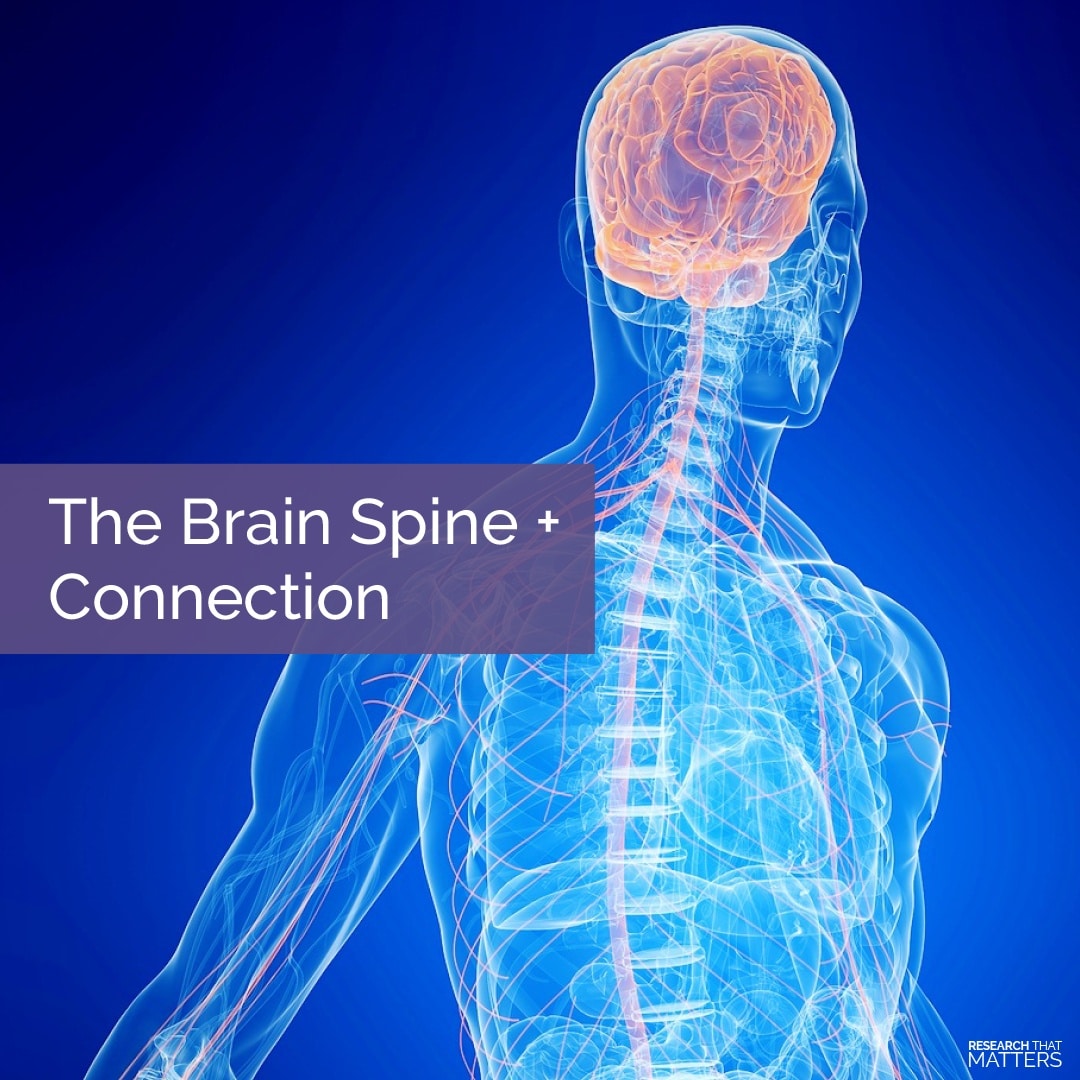
The Brain + Spine Connection

how brain and spine are connectedBottom Line:

Odds are, you’ve pondered on the brain-body connection a time or two here and there, and for good reason.

Every thought and movement in your life occurs through your brain or spinal cord – commonly referred to as our central nervous system.

The spinal cord both carries nerve signals from the brain to other parts of the body and receives sensory input from the body and transmits that information back to the brain.

Your spinal column is the armor that protects your spinal cord as it travels down through your body and branches off into the nerves that power that brain-body connection.

Every moment, millions (literally, millions!) of messages are moving along your spinal cord to maintain the necessary balance between your brain and body you need to function.

Needless to say, ensuring your spine is feeling and functioning at its best is important, and we’re here to help if you’re looking for holistic joint pain treatment in Hatboro.

And here’s something you may not know…

Recent research has shown that our hands-on chiropractic adjustments can positively impact the chemistry of your brain!

Read on to learn more.

Why it Matters:

Yes, chiropractic adjustments have the potential to alter the levels of different biochemical pain markers in your brain for the better.

So, what are biochemical pain markers?

When we talk about biochemical pain markers, we’re talking about chemical substances that can influence your perception of pain.

For example, let’s look at neurotensin and oxytocin in this brain-body connection.

Neurotensin is associated with pain blocking as well as the regulation of dopamine, and, similarly, oxytocin is associated with both a decreased sensitivity to pain and an improved mood.

Increased levels of each of these chemical messengers in the body can promote an overall reduction in pain.

It’s no wonder chiropractic adjustments are recommended first by many local healthcare professionals for neck, back, and joint pain treatment in Bucks County.

Consider what we know…

  • Your brain and body are in constant communication through your central and peripheral nervous systems.
  • Increased levels of neurotensin, oxytocin, and other similar chemical substances in the body can promote an overall reduction in pain.
  • Chiropractic adjustments to your neck or back have been connected to immediate increased levels of those same pain-relieving substances.

Chiropractic, the Brain-Body Connection, and Joint Pain Treatment

In recent studies, researchers observed both decreased cortisol levels and improved motor control following chiropractic adjustments (spinal manipulative therapy).

What’s more, other recent studies have also shown that chiropractic adjustments can be more effective than spinal injections for treating disc issues.

In short, for those seeking pain relief, a strong case exists for chiropractic.

The results we discussed here are a big part of why many top medical organizations now operate under a conservative care first model for the treatment of chronic pain.

Next Steps:

Over the past 100 years, scientists, doctors, and other healthcare professionals have observed and learned a lot about the brain-body connection.

In our practice, we’ve seen first-hand just how chiropractic care can strengthen the connection between your brain and body, and we’ve helped many people seeking non-invasive joint pain treatment feel and function better.

And considering that the spinal cord can send information to your brain at a rate of over 250 mph, it’s no surprise that those who walk through our doors leave with less stress and less pain after just a few minutes of adjusting.

Aging, healing, and your entire life experience happen through a constant concert of communication and coordination between your brain and body.

And keeping that all-important organ under your hat and everything underneath functioning at their best can help you maintain an optimal brain-body connection.

So, if you’ve had a hard time staying active due to pain, know that we specialize in holistic, gentle joint pain treatment in Montgomery County, and we’re here to help.

We invite you to schedule an evaluation with our compassionate team of experts today.

Together, let’s get you on the road to lasting pain relief!

Science Source:
Pain Perception After Spinal Manipulation. J Orthop Sports Phys Ther. 2014.
Effects of Spine Manipulation on Pain. J Man Manip Ther. 2019.
Spinal Cord Anatomy. Physiopedia. 2022.
causes of sciatica

The Top Causes of Sciatica Revealed

causes of sciaticaBottom Line:

Here’s something that might surprise you as you dive into the top causes of sciatica.

Sciatica is not a condition, disorder, or diagnosis in and of itself.

Sciatica pain can be described as dull, achy, sharp, or shooting pain in the lower back and hip, buttock, and leg on one side of the body.

Some may also experience burning, numbness, or tingling sensations.

When someone says they “have sciatica,” what they really have is a very specific set of symptoms hinting at an underlying condition.

Many of our sciatica patients often comment that they don’t know how they hurt their back.

Well, that actually makes sense.

What is that underlying condition 99.9% of the time?

Most all the top causes of sciatica are linked to the irritation, compression, or impingement of a sciatic nerve.

How do we know this?

When a nerve is compressed or irritated — be it from a herniated spinal disc, bone spur, or ligament overgrowth — it can become inflamed and painful.

And, as you may have noticed, the causes we just listed aren’t isolated to injuries.

Why it Matters:

Not all of the top causes of sciatica are injury driven in the traditional sense.

Natural changes that occur as we age, the pressure of gravity, and even stenosis (narrowing of the spinal column) can also contribute to the development of compressed or “pinched” nerves and sciatica pain.

The two sciatic nerves (or, more specifically, nerve bundles) are the longest nerves in the body and for that reason, there are lots of opportunities for either one to become irritated.

These are the major nerves to your legs, and they provide the sensation and motor fibers that allow you to stand up, walk, and run.

That should give you a better idea of how any irritation to either sciatic nerve related to the top causes of sciatica can result in those very noticeable and often disruptive symptoms.

Think of your nerves like small, high-powered electrical lines.

They transmit signals from the power station — your central nervous system — out to all of the muscles, organs, and cells in your body.

The electrical lines or nerves in your low back travel down your hips, buttocks, and legs to your feet to your toes.

If the nerve is irritated at the power station, it will affect everything along the path of that line.

That is why a spinal disc irritating a nerve in your low back can result in pain down into your leg!

Sciatica pain can occur at any point along the course of either sciatic nerve depending on where the irritation exists, and it can then radiate from there.

It’s possible to experience sciatica symptoms without low back pain.

It’s possible the pain in your leg isn’t related to an impingement of its sciatic nerve.

That’s why it’s so important to seek sciatica treatment in Warminster from a healthcare professional who not only has an in-depth understanding of the top causes of sciatica pain, but of pain in the lower extremities as well.

Back to our analogy.

Just like your local power company needs to perform maintenance on their equipment, you should also perform periodic maintenance on your body.

Many people just don’t know that many of the top causes of sciatica pain can often be resolved without the need for surgery, spinal injections, or pain medications prescribed by an MD.

Staying active with daily exercise, stretching, and periodic chiropractic care can help prevent issues in your low back.

Chiropractic care is an ideal treatment for sciatica pain because it can directly address the root cause of that pain.

In fact, in one recent study researchers observed that over 90% of patients with symptomatic sciatica reported being “much better” or “better” after receiving chiropractic care.

Next Steps:

Periodic chiropractic care has the potential to increase your flexibility and range of motion, help keep your spinal discs healthy, and it could even prevent future episodes of back pain and the development of the top causes of sciatica.

In our practice, we utilize various treatments, including adjustments, to correct spinal conditions such as herniated discs and minor vertebral displacements (subluxations) as well as joint restrictions related to scar tissue and muscle spasms to both help relieve your sciatica pain and prevent it from recurring.

So, if you don’t have your next visit on the books, be sure to reserve your appointment today!

And if you’re considering booking your first appointment, know that you don’t need a referral to see a chiropractor like us specializing in sciatica treatment in the Hatboro and Horsham area

Simply pick up the phone, book online, or send us a message to get started.

A little maintenance today can go a long way towards a healthier tomorrow, and we’re here to help.

Science Source:
Outcomes of Patients with Symptomatic Herniations Receiving Spinal Therapy. JMPT. 2014.
Maintained Spinal Manipulation Therapy for Low Back Pain. SPINE. 2011.