
chiropractic help bucks county

Conjoined Twins Help Show Chiropractic Influence on Immunity

chiropractic help bucks countyMasha and Dasha were conjoined twins born in Russia in the 1950’s. They each had one arm and shared one pair of legs. Due to the fusion, many of their internal organs were the same. Though they each had a separate heart, the system that circulated all the blood (circulatory system) was the same. The revolutionary point of their story focuses on their having separate nervous systems. Their brains and spinal cords did not connect. The separate nervous systems created fascinating instances where one twin would become ill while the other did not. The germs of the sick twin would flow through the shared blood of both twins. While one would experience symptoms from the flu or measles virus, the other twin would be symptom free.

Medical schools continue to teach that germs cause disease. If that were true, then both Masha and Dasha would each experience symptoms from the germ that circulated through both of their bodies. The immune system is proven to work under the direct control of the brain and nerve system. A 2013 book titled “Autonomic Failure” published the scientific proof that white blood cells (macrophage) operate under the direct control of the sympathetic nervous system. Such evidence proves revolutionary to health and medicine.

Any interference to the nerve system will make a person more susceptible to illness. A misalignment in the spine, called a vertebral subluxation, directly interferes with the nervous system. Proper alignment allows babies, kids, and adults to achieve incredible levels of immunity by getting their spine and nervous system checked and, if necessary, adjusted by a Chiropractor on a regular basis.

Being sick less often is one of the most common testimonies Chiropractors hear from their patients. The science proves beyond doubt that Chiropractic adjustments improve immunity. Society needs to learn and engage with this truth.
montgomery county pa chiropractors

3 Health Benefits to Practicing Gratitude Daily

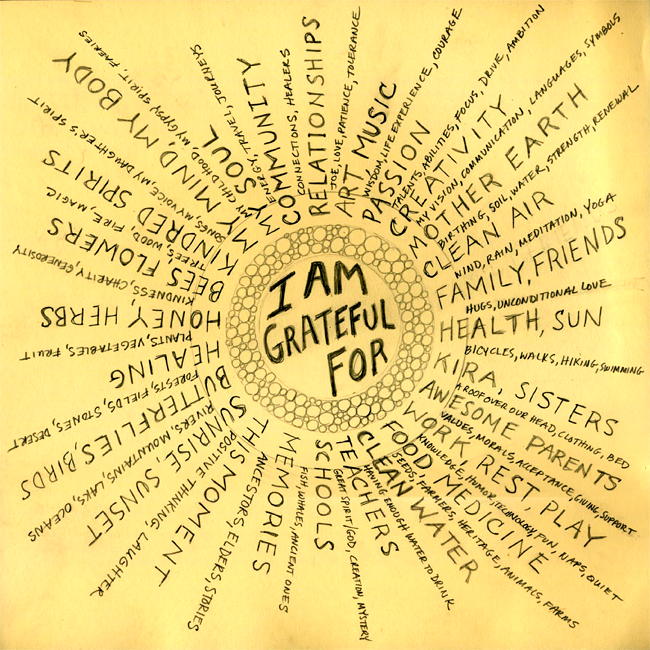
Thanksgiving is this Thursday, and it is a time of family, friends, food, football, and reflecting about the things in life that make us grateful. I have a ton of things to be grateful for this year. My family and friends always make me thankful to have them in my life. I am grateful that I have necessities like shelter and food, and I get to live in an amazing country. I love what I get to do every day for “work,” and I am grateful that I have just hit the one year mark in serving patients in Montgomery & Bucks County, PA at Radiant Life Chiropractic! There’s also the less serious gratitude for the success of teams like the Eagles and Sixers montgomery county pa chiropractorsthis year. Sorry, I like sports!

However, I think it is important to be consciously grateful throughout the year instead of just around Thanksgiving. This year, I have made it a focus to practice gratitude daily. I have a group of friends that keeps each other accountable to come up with at least one thing we are grateful for each day. It is a great way to start the morning. I also have implemented gratitude into my morning meditation. Why would I do this? There are just too many researched benefits of gratitude to not do it. Here are 3 big health benefits to practicing gratitude:

  1. Improved mental health: Gratitude decreases many toxic emotions, ranging from envy and resentment to frustration and regret. Robert A. Emmons, Ph.D., a leading gratitude researcher, has conducted multiple studies on the link between gratitude and well-being. His research confirms that gratitude effectively increases happiness and reduces depression. Gratitude has also been shown to increase self-esteem and empathy and decrease stress!
  2. Improved physical health: Grateful people experience fewer aches and pains, and they report feeling healthier than other people, according to a 2012 study published in Personality and Individual Differences. Not surprisingly, grateful people are also more likely to take care of their health. They exercise more often and are more likely to proactively consult with health professionals.
  3. Improved sleep: Sleep is an issue for many new patients that come in to the office. Patients often are not getting proper quality, quantity or both. Something as simple as writing down a list of things you are thankful for at the end of the day can also help people sleep better. A 2009 study in the Journal of Psychosomatic Researchfound that those who expressed gratitude more often slept better and longer than those who didn’t.

In addition to the things that I listed before, I am extremely grateful for my good health, but I also work to create good health. I eat consciously, exercise, get adjusted, and meditate to relieve stress. Without my health, I wouldn’t be able to enjoy any of the other things in my life for which I am grateful. If you or anyone you know is dealing with any health issues and is committed to finally making a change, then schedule an appointment and let us help you on your journey to better health! You’ll be grateful to know a healthier you!

back pain montgomery county pa

Back Pain Steals Hours of Comfort and Years of Life

Approximately 700 million people around the world suffer from back pain. Researchers estimate that nearly 75-85% of the population will suffer from some form of back pain in their lifetime. Recent research revealed a significant concern for anyone suffering with low back pain. Researchers warn that those experiencing low back pain have a 13% increased risk of early death. One of the most important preventative health care measures awaits through the pursuit of eliminating the source of low back pain montgomery county paback pain before problems become more serious.


Low back pain historically plagues individuals with the nagging inconvenience of discomfort without much prognosis for resolution other than pills or minimally successful surgery. New studies reveal that pain represents a much greater issue. One study found an amplified risk of early death in those experiencing pain verses those without spinal problems. “This is a significant finding as many people think that back pain is not life-threatening,” Paulo Ferreira, an Associate Professor at the University of Sydney and contributor to the new research, said.

The pool of people affected by these findings continues to grow. Statistics show that roughly five out of every six people will suffer from back pain at some point in their life. A connection to early death means that the prevention and treatment of lower back pain becomes an issue much greater than daily discomfort. Ridding back pain not only resolves the issue of daily aches but also produces the opportunity for greater longevity.

Chiropractors help men, women, and children of all ages reduce and eliminate back pain. Mounting research confirms that the benefits of chiropractic adjustments extend far beyond pain relief. The link between the presence of low back pain and increased risk of early death exists in the science of subluxations. Subluxations identify as interferences in the communication between the brain and the body. They interfere with the nervous system and the vital autonomic functions of the body. Undetected and uncorrected subluxations negatively impact the control panel of all functions in the body.

Chiropractors pursue the detection and correction of subluxation in men, women, children, and infants. Chiropractic care not only addresses back pain but also targets improved performance and function of the nervous system. The goal of chiropractic adjustments involves the optimal function of the body and the avoidance of needless pain, suffering and surgery.

The best time for everyone to get their first adjustment happens just after birth when the nervous system needs to overcome the early interferences that occur from the birthing process. The next best time to get that first adjustment occurs whenever a person decides they want a lifetime of improved health that cannot be found in bottles of pills and daily therapy for pain and discomfort. Millions of people need spinal care in order to steer their path towards better health care. Quality of life depend on it.

Colic? Find Out How Chiropractic Can Help Your Child

It’s every parent’s nightmare – your beautiful newborn is in obvious distress and you can’t figure out how to console your little monkey. The suffocating array of parental advice may be leaving you confused. So what do you do when your baby has colic?


What is Colic?

When a baby cries inconsolably for more than three hours per day, more than three days per week, for longer than three weeks this is known as ‘infantile colic’. Aside from being stressful, tiring, even heart-breaking for parents, infant colic can cause both physical and psychological symptoms in parents and can lead to marital tension, social disruption and child abuse. The causes of infantile colic are still unknown and traditional medical intervention is often ineffective. The traditional medical management for colic involves prescribing drugs such as simethicone drops or proton pump inhibitors. However, systematic reviews have consistently shown that these interventions are no more effective than placebo.

Why try Chiropractic?

As many as 40% of all babies suffer from colic. A study conducted in the UK looked at the effectiveness of chiropractic care in affected children. The researchers observed 104 babies who were randomized into three groups. The first group of babies were given chiropractic care and their parents knew they were seeing a chiropractor. The second group also received chiropractic care, but their parents didn’t know whether their baby was receiving the care, or the control intervention. And the third group didn’t get checked by the chiropractor; instead they received the control intervention. These parents also didn’t know whether their baby was receiving care or the control. Parents were asked to complete a 10-day ‘crying diary’. The findings from this study suggest that even without chiropractic care, crying time reduced. However, babies under chiropractic care cried up to 3 hours less (~50% improvement) compared to those who did not receive care. Interestingly, the parent’s awareness of whether their baby was receiving chiropractic care, or the control did not matter. This confirms previous studies that have also shown chiropractic care in babies with colic responding well to chiropractic care. It suggests that the child’s improvement is probably due to chiropractic; and not parent bias or parent placebo effect. Further, this study found that excessively crying babies were (at least!) 5 times less likely to cry if they received care, compared to not receiving care. It’s very likely that chiropractic care really does help at least some babies who are suffering from colic. Remember that the chiropractor isn’t directly trying to treat the colic. Instead they’re trying to improve spinal function with the aim of improving your child’s brain’s ability to process what’s going on in their body, and for some kids, this seems to result in less crying time! This must be a good thing for the whole family! No serious effects were noted, so you can trust that your baby is in safe hands and gets the best possible start in life. When modern chiropractic care is appropriately applied, it is very safe for all members of our society, irrespective of their age.

bucks county chiropractic

Patients Under Chiropractic Care Reduced Opioid Use by 57%

Opioid prescriptions skyrocketed from 112 million in 1992 to nearly 249 million in 2015 even though there has not been an overall change in the amount of pain that Americans report. Experts refer to this shift as the Opioid Epidemic, and it is expected to be labeled an official national emergency this week. The opioid epidemic claimed the lives of 33,000 people in 2015, with opioid pain-relieving drugs resulting in over 20,000 of those deaths. Serious side effects of opioid use include sedation, dizziness, nausea, vomiting, constipation, physical dependence, tolerance, and respiratory depression.

bucks county chiropracticMost opioid prescriptions treat a form of muscle or skeletal pain. The CDC reported that although prescription opioids can help manage some types of pain, there is not enough evidence that opioids improve chronic pain, function, and quality of life. Moreover, long-term use of opioid pain relievers for chronic pain can be associated with abuse and overdose. Thus, any treatment or strategy designed to alleviate pain without the use of drugs carries the potential to improve thousands of lives per year. Research has indicated that chiropractic may be a part of that strategy.

A former Dartmouth MD conducted a study that showed patients with back pain who experienced chiropractic care reduced opioid use by 57% compared to patients who did not utilize spinal adjustive care. This minor study consisting of 33,000 patients requires further investigation on a larger scale, but it introduces interesting information that deserves more public attention. Pain reduction, improved movement, and increased function via chiropractic care serve as side effects to the larger process of improving the structure of the spine and function of the nervous system.

Understanding the purpose of chiropractic helps clarify the outcomes of countless scientific studies. Harvard University described chiropractic as, “A health care system that holds that the structure of the body, particularly the spine, affects the function of every part of the body. Chiropractors try to correct the body’s alignment to relieve pain and improve function to help the body heal itself.” This definition describes the unique purpose and benefits that chiropractic delivers, particularly as spinal care relates to helping patients avoid or overcome opioid addictions.

Chiropractic began in 1895 with a mission to help people get and stay well without the use of drugs or surgery. There is no doubt a time and a place for drugs and surgery, but they must be used appropriately since they carry with them inherent risks. Everyone deserves to live comfortably in their own body. Chiropractic aims to provide relief from pain and side effects by pursuing the optimal function of the body in a more natural way.

Research attached to prestigious names like Harvard and Dartmouth provide a strong starting point when educating the public about chiropractic. Chiropractic seeks to correct a problem by getting to the underlying cause. When the cause is addressed, the effects are usually resolved. Pain is an effect. Chiropractic does not seek to treat pain, and instead recognizes it as a “warning sign” of an underlying problem. The philosophy of chiropractic and getting to the cause of a problem drives the application. Research like this helps to show outcomes of a philosophy applied to the improving of a very large and specific cultural problem, and the results that could possibly be achieved if more people understood and experienced the benefits of chiropractic.