
prevent back pain

Spring Forward Without the Back Pain: Preparing Your Body for Longer Days

prevent back painAs we turn the clocks ahead and welcome longer days, many of us feel a renewed sense of motivation. Spring brings yard work, outdoor sports, home projects, travel, and a fresh commitment to healthier habits. But after a more sedentary winter, jumping back into activity too quickly can lead to stiffness, strains, and unwanted back pain.

At Radiant Life Chiropractic in Hatboro, we believe you should be able to enjoy everything spring has to offer — without paying for it later. Here’s how to prepare your body to “spring forward” the right way.

Why Spring Triggers Back Pain

During winter, activity levels often decrease. We tend to:

  • Sit more
  • Exercise less consistently
  • Spend less time outdoors
  • Hunch forward over devices

This can lead to:

  • Tight hip flexors
  • Weak glute muscles
  • Reduced core stability
  • Increased spinal stiffness

When spring arrives and you suddenly start gardening, cleaning out the garage, running outside, or golfing for the first time in months, your body may not be ready for the demand.

  1. Ease Into Activity (Don’t Go From 0 to 100)

That first warm Saturday can be tempting. You might feel inspired to:

  • Mulch the yard
  • Power wash the deck
  • Clean every closet in the house
  • Play a full 18 holes of golf

Instead, build gradually. Start with shorter sessions and moderate intensity. Give your joints, muscles, and nervous system time to adapt.

Consistency is far safer than bursts of overexertion.

  1. Wake Up Your Core and Hips

Many cases of back pain in springtime stem from weak stabilizing muscles. Your core isn’t just your abs — it includes deep stabilizers that protect your spine.

Focus on:

  • Bird dogs
  • Dead bugs
  • Glute bridges
  • Side planks

Activating these muscles before yard work or workouts can dramatically reduce strain on your lower back.

  1. Improve Mobility Before Activity

Stiff joints don’t distribute force well. That’s when one area — often the lower back — takes too much stress.

Before outdoor work or exercise:

  • Perform gentle spinal rotations
  • Stretch hip flexors
  • Open up hamstrings
  • Mobilize the thoracic spine (mid-back)

Even 5–10 minutes of mobility can change how your body moves for the rest of the day.

  1. Watch Your Lifting Mechanics

Mulch bags, planters, soil, patio furniture — spring is full of awkward lifting.

Protect your back:

  • Keep objects close to your body
  • Bend at the hips and knees
  • Avoid twisting under load
  • Engage your core before lifting

If you’re unsure whether your form is safe, ask us. We’re happy to assess movement and teach proper mechanics.

  1. Address Lingering “Winter Tension”

Winter stress often builds in:

  • Neck and shoulders
  • Mid-back
  • Lower back

Poor posture, stress, and colder weather can increase muscle guarding and joint stiffness.

Chiropractic adjustments help:

  • Restore joint mobility
  • Improve nervous system communication
  • Reduce compensations
  • Support better movement patterns

When your spine moves well, everything else functions better.

  1. Support Better Sleep During the Time Change

The shift to daylight saving time can disrupt sleep temporarily. Poor sleep affects:

  • Pain tolerance
  • Muscle recovery
  • Inflammation levels
  • Energy and motivation

Prioritize:

  • Consistent bedtime
  • Reduced screen time at night
  • Morning sunlight exposure
  • Hydration

Your body repairs itself during sleep — especially when activity increases.

  1. Stay Hydrated

Dehydration can contribute to muscle tightness and joint stiffness. As temperatures rise and outdoor time increases, hydration becomes even more important.

Drink consistently throughout the day — not just when you feel thirsty.

How Chiropractic Helps You Stay Active All Season

At Radiant Life Chiropractic in Hatboro, we don’t just treat pain — we focus on helping your body function at its highest level. When your spine is aligned and your nervous system is operating clearly, your body adapts better to new physical demands.

Spring is about momentum. It’s about getting outside, moving freely, and feeling energized — not sidelined by preventable back pain.

If you’re ready to move into longer days feeling strong and supported, schedule your spring tune-up today. Let’s help your body thrive this season so you can enjoy everything it brings.

Here’s to stepping into spring — pain-free and radiant.


Stress, Posture, and the Heart–Spine Connection

Stress, Posture, and the Heart–Spine Connection

Stress, Posture, and the Heart–Spine ConnectionFebruary tends to bring a lot of focus to the heart. We think about cardiovascular health, relationships, and emotional wellbeing. But there’s another powerful relationship that doesn’t get talked about enough—the connection between stress, posture, and the heart–spine connection.
At Radiant Life Chiropractic in Hatboro, we often remind patients that the spine isn’t just about back pain. It plays a key role in how your nervous system adapts to stress, and that directly influences how your heart and body function every day.

Let’s take a closer look at how it all ties together.

The Heart and the Nervous System

Your heart doesn’t beat on its own by accident. It’s constantly regulated by your autonomic nervous system—the branch of your nervous system that controls automatic functions like heart rate, blood pressure, breathing, and digestion.

This system has two primary modes:

  • Sympathetic (“fight or flight”) – increases heart rate and prepares the body for action
  • Parasympathetic (“rest and regulate”) – slows the heart rate and supports recovery and healing

In a healthy body, these two systems work in balance. You shift into stress mode when needed—and then return to a calm, regulated state.

But when stress becomes chronic, many people get stuck in a sympathetic-dominant state. Heart rate stays elevated. Muscles remain tense. Posture begins to change. And over time, this can influence how the spine and nervous system function together.

How Stress Shows Up in Your Posture

Think about how your body responds when you’re overwhelmed:

  • Shoulders round forward
  • Head shifts in front of the body
  • Upper back tightens
  • Breathing becomes shallow

This stress posture isn’t just cosmetic—it changes the mechanics of the spine. Forward head posture and rounded shoulders can increase tension in the upper back and neck, areas closely associated with nerve pathways that influence cardiovascular and respiratory function.

Prolonged poor posture may:

  • Increase muscle tension and fatigue
  • Restrict normal spinal motion
  • Reinforce stress patterns in the nervous system
  • Contribute to headaches and upper back discomfort

Over time, the body begins to adapt to this stressed position. And adaptation isn’t always in our favor.

The Heart–Spine Connection

The spinal cord runs through the vertebrae and acts as the communication highway between your brain and body—including your heart.

When spinal motion is restricted or imbalanced, it can contribute to altered neural signaling. While chiropractic care does not treat heart disease, supporting spinal health may help optimize nervous system communication—allowing the body to better regulate stress responses.

Research has shown that spinal adjustments may influence heart rate variability (HRV), a measure of how well the nervous system adapts between stress and recovery states. Higher HRV is often associated with improved adaptability and resilience.

When the nervous system shifts out of constant “fight or flight,” the heart benefits from a more balanced rhythm, and the body may experience:

  • Improved stress resilience
  • Better breathing patterns
  • Decreased muscle tension
  • Enhanced recovery and rest

Posture Is More Than Standing Up Straight

Good posture isn’t about rigidly pulling your shoulders back. It’s about dynamic alignment—how your body moves, adapts, and breathes throughout the day.

Healthy posture supports:

  • Efficient breathing
  • Balanced muscle tone
  • Reduced spinal stress
  • Improved nervous system regulation

Simple daily strategies can help:

  • Take posture breaks every 30–60 minutes
  • Set screens at eye level
  • Practice diaphragmatic breathing
  • Move consistently throughout the day

Chiropractic care can also play a role in restoring proper spinal motion and helping your body break out of stress-based patterns.

A Whole-Body Perspective

Your spine and heart are not separate systems operating in isolation. They are connected through a highly intelligent nervous system designed to help you adapt to life’s demands.

When stress accumulates—physically or emotionally—it often shows up in posture first. When posture shifts, spinal mechanics change. And when spinal mechanics change, nervous system balance can be influenced.

Caring for your spine is one way to support your heart—not just physically, but neurologically.

Supporting Your Body This Season

As conversations around heart health rise this time of year, consider also checking in on your posture and stress levels.

Ask yourself:

  • Am I stuck in a stress posture throughout the day?
  • Do I feel constantly tense or fatigued?
  • Am I giving my body opportunities to recover?

At Radiant Life Chiropractic, our focus is on supporting the nervous system so your body can adapt and thrive. By addressing spinal motion and stress patterns, we aim to help you build resilience—not just symptom relief.

Because when your nervous system is balanced, your posture improves.
When your posture improves, your stress response shifts.
And when your stress response shifts, your heart—and your whole body—benefit.

Your health is connected from the inside out.


love your spine

Love Your Spine: How Nervous System Health Supports the Whole Family

February is often associated with love—hearts, flowers, and gestures that show how much we care for one another. But there’s one form of love that’s often overlooked: loving and caring for your spine. At Radiant Life Chiropractic in Hatboro, we believe that when you love your spine, you’re supporting something even bigger—your nervous system—and that support can benefit your entire family.love your spine

The Spine and the Nervous System: The Body’s Master Connection

Your nervous system is the control center of your body. It coordinates every movement, sensation, and internal process—from breathing and digestion to immune function and emotional regulation. The brain communicates with the rest of the body through the spinal cord and the network of nerves branching out from it.

Because the spine protects the spinal cord, spinal health plays a critical role in how well your nervous system functions. When the spine is moving and aligned well, the nervous system can communicate clearly. When there are restrictions or imbalances in spinal motion, those signals may not travel as efficiently, and the body may struggle to adapt and function at its best.

What Spinal Health Means for Daily Life

A healthy spine isn’t just about avoiding back or neck pain. It’s about supporting how your body handles everyday stressors—physical, emotional, and chemical. Stress is unavoidable, but how your nervous system responds to it makes all the difference.

Many people are surprised to learn that nervous system stress can show up in ways that don’t seem “spine-related,” such as:

  • Difficulty sleeping or winding down
  • Frequent headaches or tension
  • Digestive discomfort
  • Low energy or burnout
  • Feeling stuck in a constant state of stress

By supporting spinal motion and nervous system balance through chiropractic care, the body may become better equipped to adapt to these stressors.

Nervous System Support for Every Age

One of the beautiful aspects of chiropractic care is that it’s adaptable to every stage of life. At Radiant Life Chiropractic, we care for individuals and families alike, tailoring care to each person’s unique needs.

Infants and Children

From birth, the nervous system is rapidly developing. Gentle chiropractic care may help support healthy movement patterns, postural development, and nervous system adaptability as children grow. Many parents seek care to help their children handle physical stressors such as learning to crawl, walk, carrying backpacks, or spending long hours at school.

Teens and Young Adults

As responsibilities increase—school, sports, work, screen time—the spine and nervous system are under more demand. Regular chiropractic check-ins can support spinal mobility and help the nervous system manage these physical and mental challenges.

Adults

Work demands, family responsibilities, and busy schedules can keep the nervous system in a near-constant state of stress. Chiropractic care may help adults maintain spinal function, support better posture, and create a foundation for overall wellness, not just symptom relief.

Seniors

As we age, maintaining mobility and adaptability becomes even more important. Gentle, appropriate chiropractic care can support spinal movement, balance, and nervous system communication—key components of staying active and independent.

Loving Your Spine Is an Act of Self-Care

Loving your spine isn’t just about reacting when something hurts. It’s about being proactive and intentional with your health. Just like eating well, staying active, and managing stress, caring for your spine is a form of long-term self-care.

When the nervous system is supported, many people notice improvements in how they move, how they sleep, and how they handle everyday stress. These small changes can add up to a big impact—not just for you, but for the people who rely on you.

A Healthier Family Starts with a Healthier Nervous System

Families thrive when they’re supported from the inside out. When parents feel more balanced and resilient, it shows up in their energy, patience, and ability to be present. When kids’ nervous systems are supported, they may be better able to focus, adapt, and grow.

This February, as we celebrate love, consider extending that love to your spine and nervous system. It’s one of the most meaningful gifts you can give yourself—and your family.

At Radiant Life Chiropractic, we’re honored to care for families and support nervous system-focused chiropractic care. If you’re curious about how chiropractic may fit into your family’s wellness journey, we’d love to connect with you.

Because loving your spine means supporting life, from the inside out.


dream for better health

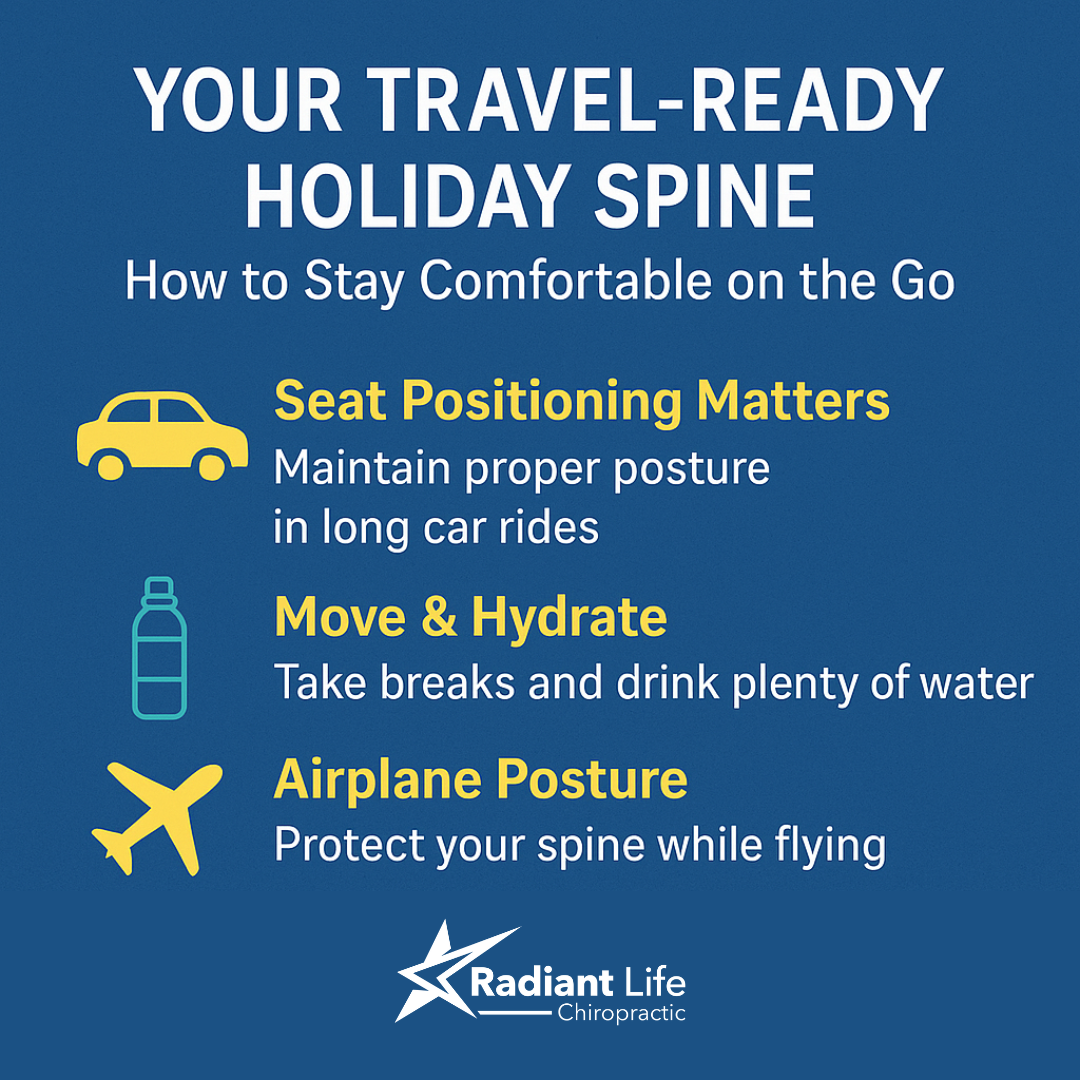
I Have a Dream for Better Health: Honoring MLK Jr. Through Wellness and Prevention

dream for better healthEvery year on Martin Luther King Jr. Day, we pause to honor a man whose vision changed the course of history. Dr. King’s words continue to inspire progress, unity, and responsibility—not just in civil rights, but in how we care for ourselves and one another.
One of his most iconic statements still echoes today:

“I have a dream.”

At Radiant Life Chiropractic in Hatboro, we believe that dream extends into our health and wellness. We share a vision of an America where people are empowered to take charge of their health—where prevention is prioritized, lifestyle choices are intentional, and care focuses on helping the body function at its best.

A Dream of Proactive Healthcare

Dr. King once said,

“Of all the forms of inequality, injustice in health care is the most shocking and inhumane.”

Today, many people feel stuck in a system that reacts to illness instead of preventing it. We dream of a shift—one where individuals are educated, supported, and encouraged to take proactive steps toward wellness before sickness takes hold.

True healthcare should not just manage symptoms. It should help people build strong foundations through everyday habits that support long-term vitality.

A Dream Where Food Is Fuel

Nutrition plays a powerful role in how we feel, move, and heal. Highly processed foods, excess sugar, and inflammatory diets have become the norm, while whole, nourishing foods often take a back seat.

A healthier future starts with education and empowerment—helping people understand that what they eat daily either supports healing or creates stress within the body. Choosing real, nutrient-dense foods can improve energy, reduce inflammation, and support the nervous system, which controls every function in the body.

A Dream of Movement and Strength

Dr. King reminded us,

“If you can’t fly then run, if you can’t run then walk, if you can’t walk then crawl—but whatever you do you have to keep moving forward.”

Movement doesn’t have to be extreme to be effective. Walking, stretching, strength training, and mobility exercises all contribute to better posture, joint health, and nervous system function. In a world dominated by screens and sitting, intentional movement is no longer optional—it’s essential.

Chiropractic care works hand-in-hand with movement, helping the spine move properly so the body can move freely and efficiently.

A Dream of Managing Stress Better

Stress is one of the most overlooked contributors to poor health. Chronic stress affects sleep, digestion, immune function, and pain levels. It can keep the nervous system stuck in “fight or flight,” preventing the body from healing the way it’s designed to.

Dr. King understood the toll stress takes, stating:

“The time is always right to do what is right.”

Learning to manage stress through breathing, mindfulness, rest, and supportive care allows the nervous system to shift into a state of recovery and repair. This is where chiropractic care plays a vital role.

Chiropractic Care as a Wellness Habit

Chiropractic is not just about pain relief—it’s about optimizing how the nervous system functions so the body can adapt, heal, and thrive. Regular chiropractic care helps improve spinal motion, reduce nervous system interference, and support overall wellness.

In a healthier America, chiropractic care is not a last resort—it’s a proactive habit, much like exercise, healthy eating, and stress management.

Carrying the Dream Forward

Dr. King believed in collective responsibility, saying:

“Everybody can be great, because everybody can serve.”

Serving our communities starts with taking care of ourselves so we can show up fully for our families, workplaces, and neighbors. When individuals commit to better habits, the ripple effect strengthens our entire healthcare system.

This MLK Jr. Day, we invite you to reflect on your own health dream:

  • What habits could you improve?
  • Where could you be more proactive?
  • How can your care support long-term wellness, not just short-term relief?

At Radiant Life Chiropractic, we are honored to partner with our community in building healthier lives—one adjustment, one habit, and one dream at a time.

Let’s dream together of a healthier, stronger, more proactive future.


travel ready spine

Your Travel-Ready Holiday Spine—How to Stay Comfortable on the Go

travel ready spineThe holidays often mean time with loved ones—but they also mean long car rides, flights, and sleeping in places that aren’t quite as comfortable as home. Whether you’re driving across the state, flying across the country, or staying overnight on a guest bed, travel can take a toll on your spine if you’re not prepared.
At Radiant Life Chiropractic in Hatboro, we see it every year: patients returning from holiday trips feeling stiff, sore, or completely out of alignment. The good news? A little preparation and awareness can go a long way in keeping your body comfortable while traveling.

Let’s walk through how to keep your spine travel-ready this holiday season.

Long Drives: Protect Your Spine Behind the Wheel

Sitting for extended periods—especially in a car—places stress on the lower back, hips, and neck.

Seat Positioning Matters

  • Sit with your hips level with or slightly higher than your knees
  • Keep your seat close enough so you don’t have to lock your knees
  • Your back should stay against the seat, not leaning forward
  • Headrest should support the middle of your head—not push it forward

Use Lumbar Support

If your car seat doesn’t support the natural curve of your lower back, use:

  • A small pillow
  • A rolled towel
  • A lumbar cushion

This helps reduce fatigue and prevents slouching during long stretches.

Take Regular Breaks

Plan to stop every 60–90 minutes if possible.

  • Stand up
  • Walk for a few minutes
  • Gently stretch your hips and spine

Even short breaks help restore circulation and relieve tension.

Airplane Posture: Small Space, Big Impact

Airplane seats aren’t designed with spinal health in mind, but you can still support your body.

Sit Tall, Not Stiff

  • Keep your feet flat on the floor (or supported if they don’t reach)
  • Avoid rounding your shoulders forward
  • Gently engage your core to support your spine

Support Your Lower Back

Use a rolled jacket or travel pillow behind your lower back to maintain proper alignment.

Protect Your Neck

Avoid letting your head fall forward while sleeping. A supportive neck pillow can help maintain neutral posture.

Move When You Can

When it’s safe to do so:

  • Stand up
  • Walk the aisle
  • Rotate your shoulders and neck gently

Movement keeps your joints and muscles from locking up.

Sleeping on Guest Beds: Make the Best of It

Guest beds and hotel mattresses can feel very different from what your body is used to—and your spine notices.

Quick Fixes for Better Sleep Alignment

  • If the mattress is too soft, place a folded towel under your lower back for support
  • Side sleepers: place a pillow between your knees
  • Back sleepers: place a pillow under your knees to reduce lower back strain

Stick to Your Routine

Travel disrupts sleep schedules, but consistency helps your nervous system adapt. Try to:

  • Maintain similar bedtime routines
  • Stretch lightly before bed
  • Stay hydrated throughout the day

Hydration: The Overlooked Travel Essential

Travel often leads to dehydration—especially during flights or long drives. Dehydration can increase muscle tightness and joint stiffness.

Aim to:

  • Drink water consistently throughout the day
  • Limit caffeine and alcohol, which can worsen dehydration
  • Pack a refillable water bottle

Your spine and muscles function best when properly hydrated.

Get Aligned Before You Go

One of the best ways to prepare for holiday travel is by getting adjusted beforehand. Chiropractic care helps your spine move more freely, supports your nervous system, and allows your body to adapt better to the physical stress of travel.

If you’re planning a trip—or already feeling tension from holiday travel—Radiant Life Chiropractic is here to help keep you comfortable, aligned, and ready to enjoy every moment.

Travel well. Move well. Stay radiant this holiday season.

fix your posture

Holiday Posture Mistakes You Don’t Realize You’re Making—And How to Fix Them

The holidays are full of joy, celebration, and memory-making—but they’re also full of sneaky posture mistakes that can leave your neck, shoulders, and lower back feeling the stress of the season. Between gift wrapping, meal prep, decorating, and marathon shopping trips, your spine is working overtime.

At Radiant Life Chiropractic in Hatboro, we see a spike in avoidable aches this time of year. The good news? With a few simple corrections, you can enjoy the holiday hustle without the discomfort.

Let’s break down the most common holiday posture pitfalls—and the quick fixes to keep your body aligned and energized.

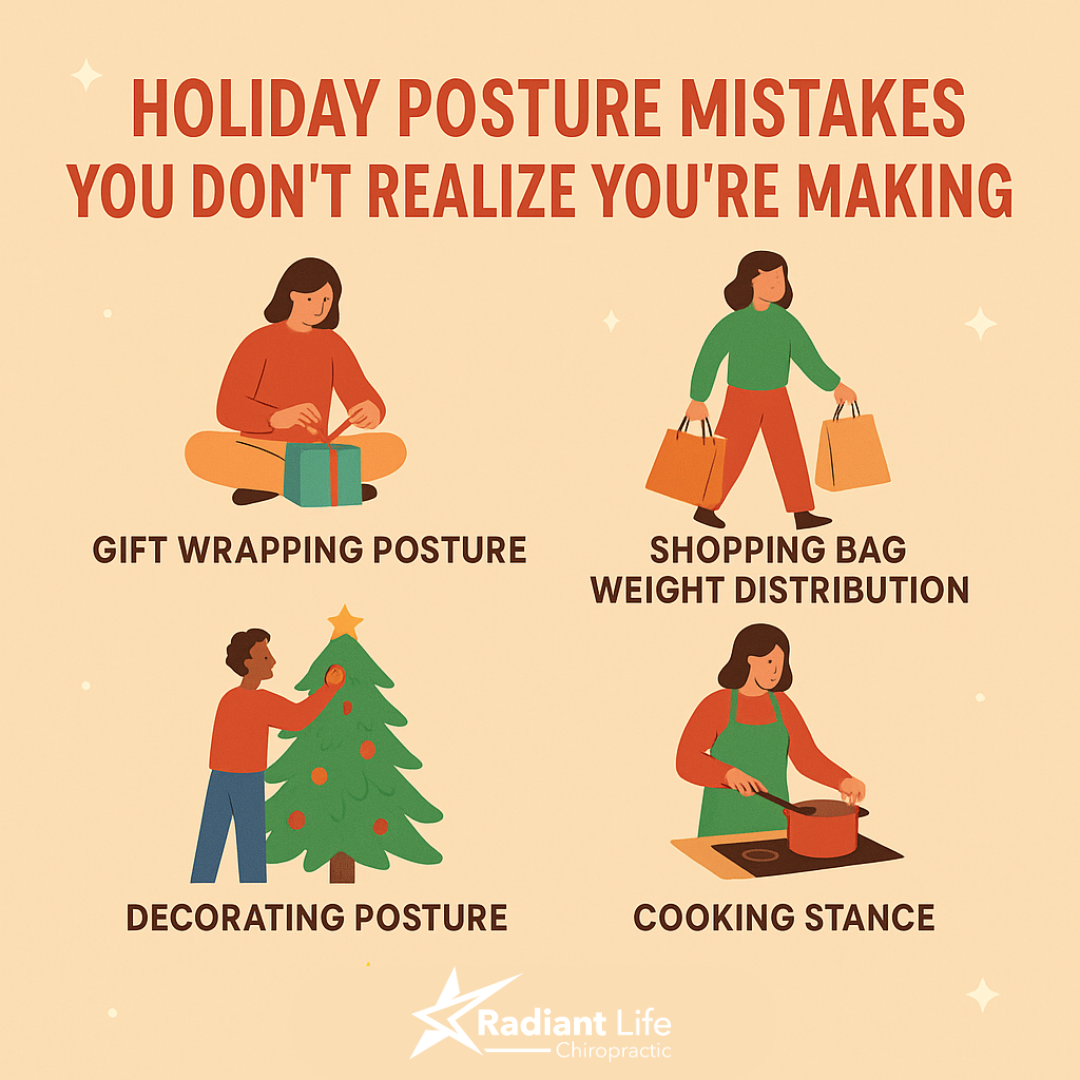
  1. Gift Wrapping Posture: The Floor Is Not Your Friend

Most people wrap gifts sitting cross-legged on the floor or hunched over a low coffee table—both of which strain the lower back, hips, and shoulders.

The Problem

  • Rounding your back while reaching forward
  • Sitting without proper support
  • Leaning on one hip for long periods

Quick Fix

  • Wrap gifts at a counter-height table or desk
  • Sit in a supportive chair with your feet flat on the floor
  • Keep gifts close to your body so you’re not reaching
  • Take stretch breaks every 10–15 minutes (your spine will thank you!)

Try This:
Roll your shoulders back and down, engage your core lightly, and hinge forward with your hips—not your upper back.

  1. Shopping Bag Weight Distribution: One-Sided Carrying

Holiday shopping often means lugging multiple bags—but carrying everything on one side is a fast track to shoulder and lower back irritation.

The Problem

  • Uneven weight pulls your spine out of alignment
  • Causes overuse in neck and shoulder muscles
  • Leads to hip shifting or altered walking patterns

Quick Fix

  • Distribute weight evenly between both hands
  • Use a backpack whenever possible
  • Make more frequent trips to the car to unload
  • Avoid letting any bag pull your shoulder downward

Try This:
Switch hands every few minutes—even with lighter bags—to keep your body balanced.

  1. Decorating Posture: Twisting and Reaching Too Far

Hanging ornaments, lights, or garland can lead to awkward bending, twisting, and reaching.

The Problem

  • Standing on tiptoes
  • Twisting from the lower back instead of the hips
  • Overreaching instead of repositioning

Quick Fix

  • Use a step stool instead of stretching upward
  • Keep your core gently activated
  • Move your whole body instead of twisting at the waist
  • When decorating the tree, walk around it instead of leaning into it

Try This:
Plant both feet firmly, bend your knees slightly, and bring objects closer to your body before placing them.

  1. Cooking Stance: Hours at the Counter

Holiday cooking and baking = lots of time standing in one place chopping, mixing, and stirring.

The Problem

  • Leaning forward over the counter
  • Locking your knees
  • Standing unevenly by leaning on one hip

Quick Fix

  • Keep your feet hip-width apart
  • Bend your knees slightly to reduce back pressure
  • Keep frequently used items close to avoid repetitive reaching
  • Use a cushioned kitchen mat to reduce joint strain

Try This:
Shift your weight gently from side to side every few minutes to avoid static tension in your lower back.

  1. Bonus Posture Trap: The Slouchy Sofa Syndrome

Holiday movies, late-night wrapping sessions, and extra couch time add up.

Quick Fix

  • Sit upright with back support
  • Place a small pillow or rolled towel behind your lower back
  • Keep screens at eye level to prevent neck strain

Keep Your Spine Merry & Bright This Season

Small posture habits add up—especially during the holiday rush. By being mindful of how you stand, sit, bend, and carry, you can significantly reduce tension and keep your body feeling strong and balanced.

Chiropractic adjustments help your body stay aligned, adaptable, and resilient through the busiest time of year. If you’re feeling the effects of holiday posture stress, we’re here to help you reset.

Radiant Life Chiropractic is committed to keeping your holiday season pain-free, joyful, and radiant.


keep your body in balance

Holiday Chaos Is Real — Here’s How to Keep Your Body in Balance

keep your body in balanceDecember is supposed to be a season of joy — twinkling lights, warm traditions, family gatherings, and time to reflect on the year. But let’s be honest: the holidays often bring just as much chaos as cheer. Between shopping, traveling, cooking, hosting, wrapping, planning, and trying to make everything perfect, your body can feel the stress long before the big day arrives.
At Radiant Life Chiropractic in Hatboro, we see this every year. Patients tell us things like:
“Everything hurts, and I haven’t even started gift wrapping yet,” or
“I feel like I’m running on fumes,” or
“My shoulders have been up by my ears since Thanksgiving.”

And we get it — the holiday season pulls your energy in a thousand different directions. But here’s the good news:

With the right support, your body can stay grounded, balanced, and resilient, even during the busiest month of the year.

Let’s break down why December can take a toll on your body, and what you can do to protect your system from overload.

How Holiday Stress Affects Your Body

Your body doesn’t distinguish between “I’m being chased by a tiger” stress and “I have 18 things left on my holiday to-do list” stress.
To your nervous system, it all feels the same.

That’s why you may notice:

  • Tight shoulders and neck tension
  • Headaches
  • Poor sleep
  • Digestive changes
  • Fatigue
  • Feeling easily overwhelmed
  • A sense of being “frazzled”

When your sympathetic (“fight or flight”) system stays switched on for too long, your muscles tighten, posture collapses, and your body stops recovering like it should.

This is where chiropractic makes a powerful difference.

How Chiropractic Helps You Stay Balanced During Holiday Overload

Your spine is the communication highway between your brain and the rest of your body. When it’s moving well and aligned, your nervous system can regulate stress, restore balance, and keep you functioning at your best.

During the holidays, this support becomes incredibly valuable.

Chiropractic adjustments can help:

✔ Release tension

Especially in the neck, shoulders, and mid-back—the areas that hold most of your holiday stress.

✔ Improve sleep

Better alignment = better nervous system balance = deeper, more restorative sleep.

✔ Keep your energy up

When your nervous system isn’t stuck in stress mode, your body can conserve and use energy efficiently.

✔ Boost your mood

Well-functioning nervous system = improved emotional regulation + greater sense of calm.

✔ Strengthen immunity

Your immune and nervous systems are deeply interconnected. Staying aligned supports your body’s natural defenses during peak cold and flu season.

Simple Ways to Bring More Harmony Into Your Holiday Routine

Try these quick resets to keep your body grounded:

  1. The 30-Second Posture Reset

Roll your shoulders back, lengthen your spine, take three slow breaths.
Repeat throughout the day — especially when shopping, cooking, or wrapping.

  1. The “Check Your Shoulders” Rule

If your shoulders have crept toward your ears… relax them.
(They probably just did.)

  1. Add in Micro Moments of Stillness

30–60 seconds of quiet breathing can lower stress hormone levels.

  1. Move Your Body Daily — Even a Little

A short walk, gentle stretching, or mobility work keeps tension from building.

  1. Stay Consistent With Your Adjustments

When your nervous system stays balanced, everything else gets easier.

You Deserve to Feel Good This Season

This December, give yourself permission to slow down, breathe, and take care of your body — not just for the holidays, but for your long-term well-being.

If stress has been building, or you want to feel your best heading into 2026, we’re here to help you stay aligned, grounded, and supported.

Your body deserves a little holiday harmony.
And we’re here to help you find it.


improve your spine

From Stress to Strength: How Gratitude Supports a Healthier Spine

Nimprove your spineovember is a season of gathering, gratitude, and gearing up for the busy holiday stretch. But while this month encourages us to slow down and appreciate the good around us, it can also bring mental stress, tight muscles, and physical tension that sneak their way into the spine. At Radiant Life Chiropractic in Hatboro, we love helping families not only feel better, but also live better — and one of the most powerful tools we recommend this time of year is simple: gratitude.

Gratitude isn’t just an emotion or a mindset. It creates measurable physical changes in the body that can support a healthier spine, boost nervous system function, and reduce the impact of stress on your daily life.

Let’s explore how practicing gratitude can truly support your overall wellness — and how chiropractic care amplifies your ability to live in that state of health and balance.

The Link Between Gratitude & Your Spine

When you’re stressed, overwhelmed, or stuck in “go-go-go” mode, your muscles tighten, your shoulders rise, your breathing gets shallow, and your body shifts into a sympathetic (“fight or flight”) state. Over time, this creates:

  • Increased muscle tension
  • Poor posture
  • Higher inflammation
  • Misalignments (subluxations)
  • Trouble sleeping
  • More frequent headaches
  • Lower pain tolerance

Gratitude has the ability to flip that switch.

Research shows that practicing gratitude activates the parasympathetic nervous system — the “rest, relax, digest, and heal” part of your body. This leads to:

✔ Lower muscle tension
✔ Reduced stress hormones
✔ More balanced posture
✔ Better sleep
✔ Increased resilience
✔ Improved emotional well-being

When your nervous system shifts into a calmer state, your spine functions better — and when your spine functions better, your body is more responsive to emotional balance.

It’s a wellness cycle — and gratitude helps kick-start it.

How Chiropractic Care Supports the Gratitude–Health Connection

A healthy nervous system is essential for processing stress, emotions, and daily demands. Chiropractic care enhances this connection by:

Keeping the spine aligned

Misalignments disrupt communication between the brain and body. Adjustments restore clarity in that system.

Reducing physical stress

When your muscles and joints are functioning properly, stress has fewer physical footholds to latch onto.

Improving your body’s ability to adapt

A well-adjusted spine helps your body handle holiday chaos, long car rides, endless cooking, and family gatherings with more ease.

Supporting better sleep and energy

When your nervous system calms, your body repairs. More sleep equals improved mood and resilience.

Creating space for emotional well-being

Many practice members tell us they feel lighter, calmer, or more centered after their adjustments. There’s a reason: a well-balanced nervous system improves your emotional baseline.

3 Thanksgiving-Themed Gratitude Habits to Try This Week

Here are simple ways to turn gratitude into a spine-healthy ritual your whole family can enjoy:

  1. The “3 Things” Morning Reset

Before grabbing your phone, say or write down three things you’re grateful for.
This sets a calmer nervous system tone for the entire day.

  1. Gratitude Walks

Take a slow family walk and go around sharing things you’re grateful for.
Movement + emotional connection = stress relief for the spine.

  1. Thankful Post-It Notes

Place sticky notes of gratitude around your home — the bathroom mirror, the fridge, the coffee pot.
Positive reminders reduce stress and shift posture patterns.

Holiday Season Posture Reminder

As Thanksgiving approaches, here are a few quick, helpful posture tips:

When cooking:
Stand tall, switch sides frequently, and avoid leaning over the counter for long periods.

When relaxing:
Avoid slouching on the couch for marathon football watching — use pillows for low back support.

When traveling:
Take stretch breaks, adjust lumbar support, and keep your head stacked over your shoulders.

Small changes make a big difference!

This Thanksgiving, Take Care of Your Body the Way You Care for Others

It’s easy to get wrapped up in hosting, traveling, family plans, and holiday prep — but your body deserves attention, too. A calm, aligned, and supported spine helps you show up stronger, happier, and more present for the people you love.

At Radiant Life Chiropractic serving the Warminster area, we’re here to keep you and your family feeling amazing through every season.

Give your body a moment of gratitude. Schedule your next adjustment and feel the difference.


family wellness

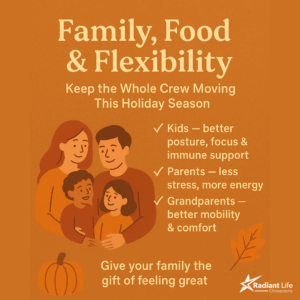
Family, Food & Flexibility: Keep the Whole Crew Moving This Holiday Season

family wellnessNovember is a month filled with family gatherings, travel plans, and time spent preparing for Thanksgiving traditions. Whether you’re hosting the holiday meal, carting kids around to activities, or traveling to see loved ones, your body goes through a lot this time of year — and so does your family’s.

That’s why Week 3 of our November series is all about family wellness and how you can keep everyone — from the youngest trick-or-treater to the Thanksgiving chef — moving, feeling, and functioning their best.

Why Family Wellness Matters

The holiday season brings joy, but it also brings physical stress:

  • Long car rides or flights
  • Endless hours cooking or cleaning
  • Carrying heavy grocery bags
  • More time sitting indoors
  • Extra sugar, less movement

These small but repetitive strains affect the spine and nervous system — and it often shows up as stiffness, headaches, fatigue, irritability, or back and neck pain.

The good news? Chiropractic care helps every age group stay balanced, aligned, and energized through the holidays.

Chiropractic Care Benefits for the Whole Family

For Kids:

Children are constantly growing, moving, falling, and adapting. Misalignments can sneak in without any obvious symptoms. Gentle pediatric adjustments help:

  • Improve posture
  • Support immune function
  • Reduce tension from backpacks, sports, and screen time
  • Promote better sleep and focus

A healthier nervous system means a happier, more adaptable child — especially during busy holiday schedules.

For Parents:

Parents do everything during the holidays — lifting kids, decorating the house, prepping meals, and staying up late. Chiropractic care helps reduce:

  • Low-back pain
  • Shoulder and neck tension
  • Stress-related headaches
  • Fatigue from long to-do lists

Alignment also helps improve nerve flow, making it easier to stay patient, present, and pain-free during the family chaos.

For Grandparents:

Mobility matters — especially around the holidays when family time is in full swing. Chiropractic care can help older adults:

  • Maintain balance
  • Reduce joint stiffness
  • Improve walking comfort
  • Support overall mobility

Better movement means more time participating in family traditions — not sitting on the sidelines.

Healthy Holiday Movement Tips

Here are some simple ways to keep your whole family feeling good this season:

  • Take movement breaks during travel — stretch every 60–90 minutes.
  • Encourage kids to play outside before big meals to burn off extra energy.
  • Use teamwork in the kitchen to avoid overworking your back or shoulders.
  • Prioritize posture when sitting at the table or relaxing afterward.
  • Drink plenty of water — especially with heavier holiday meals.

These little habits go a long way in keeping your spine happy and your body comfortable.

A Healthy Family Is a Thankful Family

Your spine supports you through every moment — cooking, laughing, traveling, lifting, and living. When your nervous system is functioning at its best, so is the rest of your body.

Chiropractic care is one of the most natural, effective ways to help your entire family handle the season’s stress with ease — and enjoy every moment together.

Give your family the gift of feeling great — schedule your next adjustment at Radiant Life Chiropractic in Hatboro this week.


get great posture

Gratitude Starts with Great Posture

How Standing Tall Can Help You Feel — and Live — Betterget great posture

November is a time to slow down, reflect, and give thanks — for family, health, and all the little moments that make life bright. But did you know that your posture can actually influence how thankful and positive you feel?

At Radiant Life Chiropractic in Hatboro, we believe gratitude and alignment go hand in hand. When your body is balanced, your energy flows freely, your mood improves, and it’s easier to focus on the good things around you. This month, we’re diving into how posture and mindset work together — and how a healthy spine helps you live with more gratitude every day.

The Posture–Mood Connection

Your posture doesn’t just affect how you look — it affects how you feel. Research shows that when you stand or sit tall, you actually boost your confidence, energy, and focus. On the flip side, slouching can make you feel more tired, tense, or even down.

That’s because poor posture puts stress on your spine and nervous system, which can interfere with the signals between your brain and body. Over time, that misalignment can cause pain, stiffness, or fatigue — and even impact your emotional well-being.

When your spine is properly aligned, your body functions better — and that means your mood, energy, and gratitude can shine through. ✨

How to Show Your Spine Some Gratitude

This season of thankfulness is the perfect time to give your spine the attention it deserves. Here are a few simple ways to care for your posture every day:

  1. Check in with your body. Throughout the day, pause and notice your posture. Are your shoulders rounded? Is your chin tucked? A quick reset can make a big difference.
  2. Keep moving. Long hours of sitting can stress your spine. Take short breaks every 30–60 minutes to stretch, walk, or roll your shoulders.
  3. Support your setup. If you work at a desk, adjust your chair, monitor, and keyboard so your body stays neutral — not hunched or twisted.
  4. Sleep smart. A supportive pillow and mattress can keep your spine aligned while you rest.
  5. Get adjusted. Chiropractic care helps correct misalignments, relieve tension, and improve your posture naturally — so your body feels light, balanced, and energized.

Gratitude from the Inside Out

Gratitude isn’t just a mindset — it’s a state of body and mind working in harmony. When your nervous system is clear and your spine is aligned, your body can process stress more efficiently, your mood improves, and your focus shifts toward what truly matters.

Every adjustment is like a reset button — helping your body release tension, restore balance, and reconnect with that feeling of calm appreciation.

This November, Be Thankful for Alignment

As you count your blessings this season, don’t forget one of the biggest gifts of all — a healthy, functioning body that carries you through life. Take time to align your spine, nurture your health, and move with gratitude.

Your posture tells your story — make sure it’s one of strength, confidence, and thankfulness.

Show your spine some gratitude — schedule your posture check with Radiant Life Chiropractic this week!