
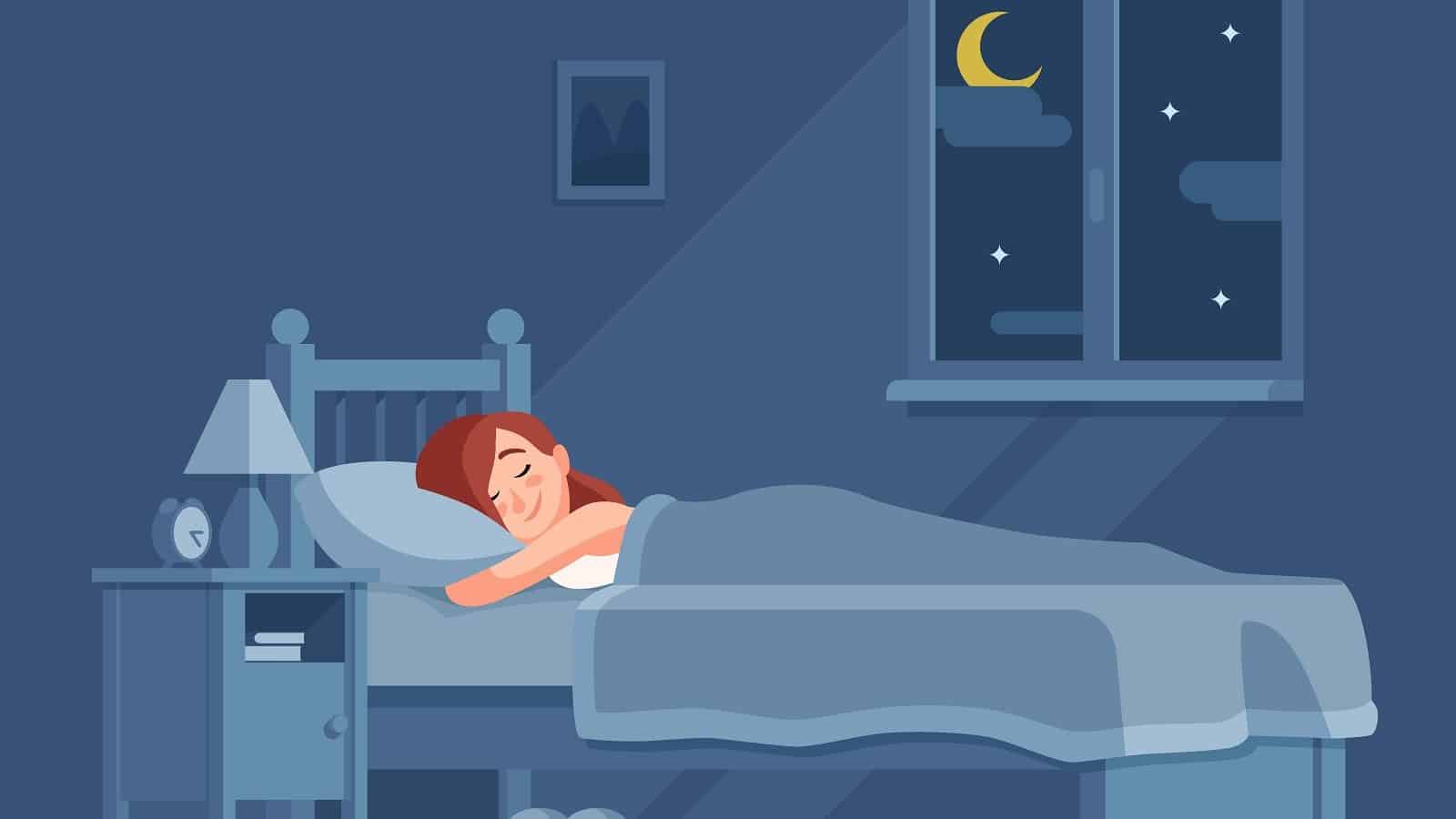
Sleep: Your Secret Weapon for Better Health
Sometimes the most complex questions have the simplest answers. For example, I could ask, “What is one habit that can ease your stress, replenish your energy, improve your health and give your brain a chance to maintain and rehabilitate itself?”
 The simple answer would be… get enough sleep. Sleep is often overlooked as a source of vitality, but research shows that adults need at least seven or eight hours of sleep, while children may need ten hours or more each night.
Unfortunately, many people have poor or erratic sleep habits, and they risk paying a serious price – you see, the health of your brain depends on getting enough time when you are not awake for it to do its daily maintenance and keep functioning at peak efficiency.
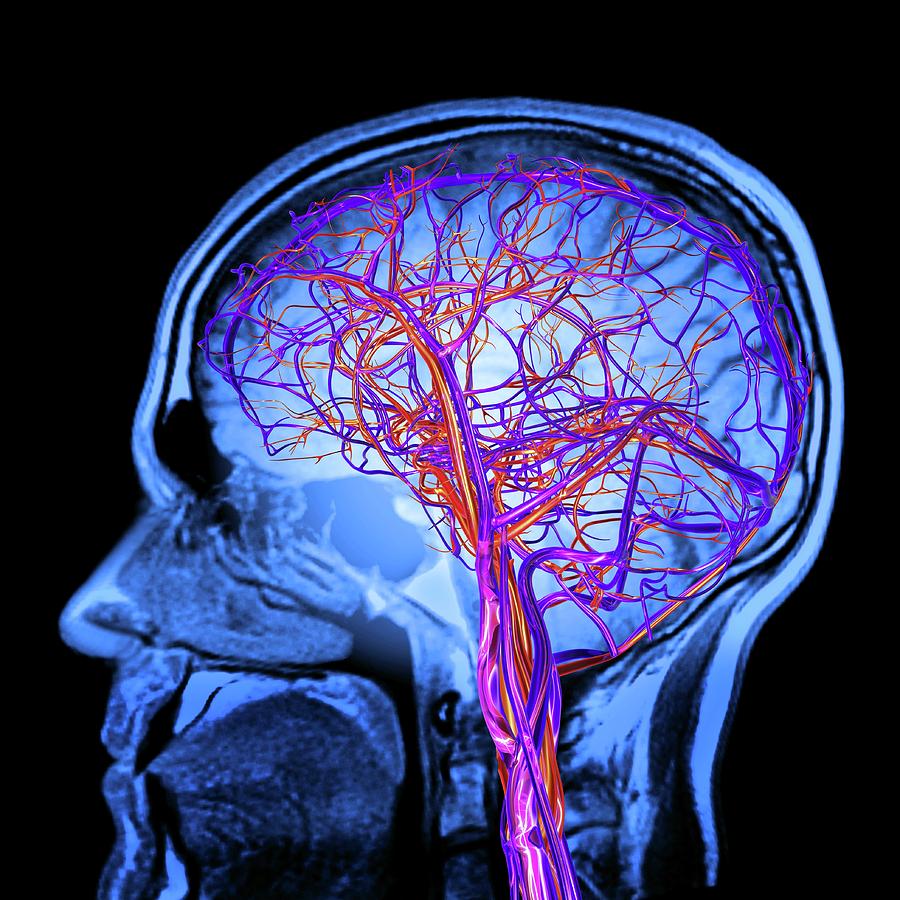
How does this work? Your brain needs to clean itself out after a day’s work, as you might expect, and the brain doesn’t have the same plumbing as the rest of the body, carrying the waste products away. Your brain is equipped with special cells known as glial cells that take out the trash in your brain.
This cleansing and maintenance happens while you sleep, and takes about seven or eight hours – that’s why seven or eight hours should be your target each night, because your brain will be so much healthier and happier if you do that.
There are many other benefits to getting enough sleep. Sleeping enough boosts your immune system, as when you are well-rested, the demands on your metabolism are less, and more energy can go into body defense.
Getting sufficient sleep also helps you to avoid gaining weight. Depriving yourself of sleep changes your body chemistry – you make more ghrelin, which makes you hungry, and you make less leptin, which tells you you’re full, a bad combination. If you ever find yourself snacking late-night, you’d be better off going to bed and getting extra sleep instead. Those who get less sleep tend toward overweight, as they eat more, have a higher body mass index, and are more likely to be diabetic. Staying up increases your stress and stimulates junk food cravings, so exercise some self-discipline and get to sleep.
Chronic sleep deprivation can lead to circulatory issues like high blood pressure or heart disease. Not sleeping triggers the release of cortisol, the stress hormone that tells your heart to work harder. Your heart needs rest just like your immune system, so sleep is good for your heart.
Sleeping enough improves your concentration, making it easier to focus. This leads to better cognitive function and greater productivity. It improves your mood by decreasing your stress, giving you more energy and helping everything in your body to work better. It improves your memory because your mind defrags itself while you sleep – in other words, it processes and consolidates your thoughts and experiences and stores them in a more efficient way, making them easier to retrieve, giving you more and better memory and mental capacity.
Sleep even makes your exercise and athletic performance better. It improves hand-eye coordination, reaction time and rate of muscle recovery. In fact, it builds strength and power, and enhances your present time consciousness.
How can we get more sleep, and get more out of our sleep? Map out a seven or eight hour slot to sleep each night – if you want to wake up at 7 AM, you need to get to bed before midnight. If you want to get up at 5:30 to meditate or exercise, plan to turn in by 10 or 10:30.
Avoid screen time prior to bedtime – TV, laptops, tablets or cell phones should be out of sight and out of mind before bed. Make sure your bedroom is completely dark and completely silent – if you give your brain a reason to stay awake, it will, and that defeats the purpose of getting to bed on time.
A cool temperature and/or fresh air is a nice option, depending on your personal taste, but seeking the optimal temperature for you will make sleeping more pleasurable. And of course, you need a good mattress and pillows, offering proper support.
Finally, you may want to “empty out” your mind before you try to sleep – have a note pad and pen or a recorder available so you can get any last details of the day or plans for tomorrow out of your mind. Then you can rest without lingering stresses.
People who develop the habit of getting enough sleep are healthier, happier, more productive and less stressed – it’s one of the best things you can do to take care of your brain, and that will help you to enjoy the quality of life you want and deserve.
 Your body is equipped to defend itself against invaders of all kinds – for example, your skin keeps out surface dirt. The hairs in your nose filter our irritants and dust particles. And when there are microorganisms inside of you, most of which are harmless or even helpful, your brain and body work together to make sure that any bacteria or viruses that could make trouble are dealt with effectively.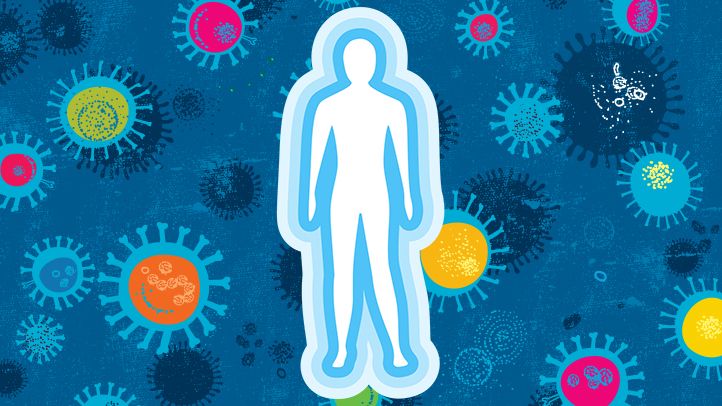
 It’s a very dangerous situation, worse for certain people. At this time of writing, there are 5,370,000 Americans who have tested positive for COVID-19, and about 169,000 deaths – based on those numbers, about 3% of those infected pass away, but keep in mind that many people are positive but have never been tested, since a large percentage of those who are positive for COVID-19 have no symptoms, so they never know and never get tested. So, the percentage of fatality may be less, but even at 3%, the odds are 33 to 1 that you’re going to be okay.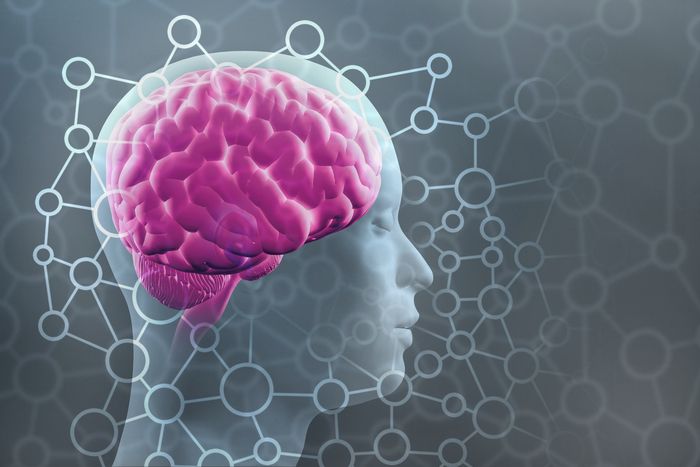
 Back pain comprises the single leading cause of disability worldwide, preventing many people from engaging in work and other everyday activities. Back pain also represents one of the most common reasons for missed work. Half of all working Americans admit to having back pain symptoms each year. Experts estimate that up to 80% of the population will experience back pain at some point in their lives. Back pain affects people of all ages from adolescents to the elderly. Low back pain results in the third most common reason for visits to the doctor’s office, behind skin disorders and osteoarthritis.
 A diet consisting of plant foods, proteins and healthy fats, with less sugar, salt and processed food is a solid starting point. Fruits and vegetables, nuts and seeds, lean meats and oily fish provide a rich nutritional pool in which your cells and organs can thrive.
 Your body uses inflammation as part of the healing process, and when it happens as it should, the body heals and there is generally no long-lasting effect. But when inflammation becomes chronic, in response to ongoing irritation or disruption, it manifests as diverse syndromes like cardiovascular complaints, back pain, chronic fatigue, digestive issues or metabolic imbalances.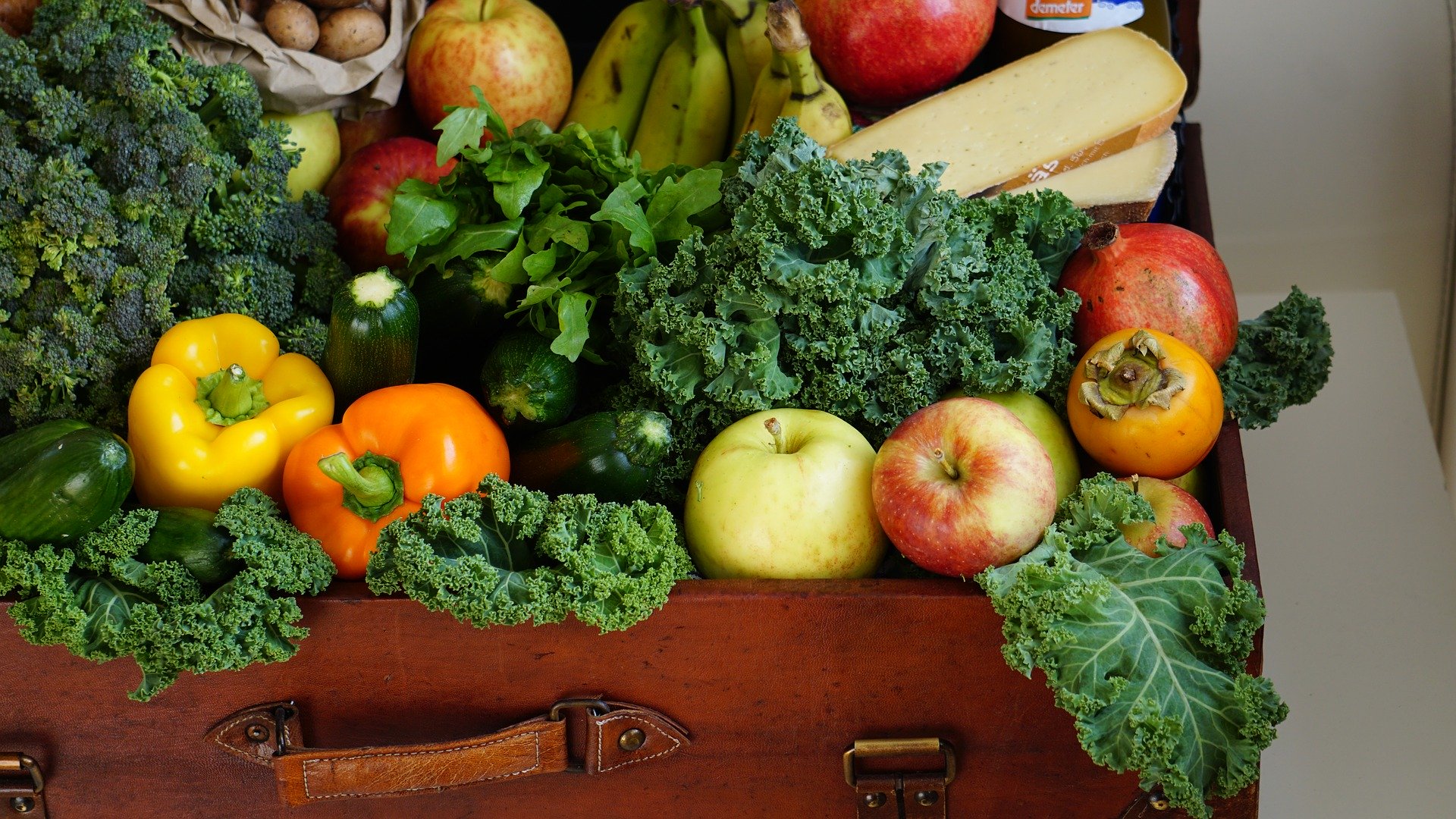
 When possible, it is better to get your vitamins and minerals from natural food sources. God made foods in a perfect form with important ratios of nutrients, fiber, etc. However, at times, supplementation of these nutrients is helpful to keep your body and immune system functioning optimally. Here are some tips on important vitamins and minerals that can help keep you healthy.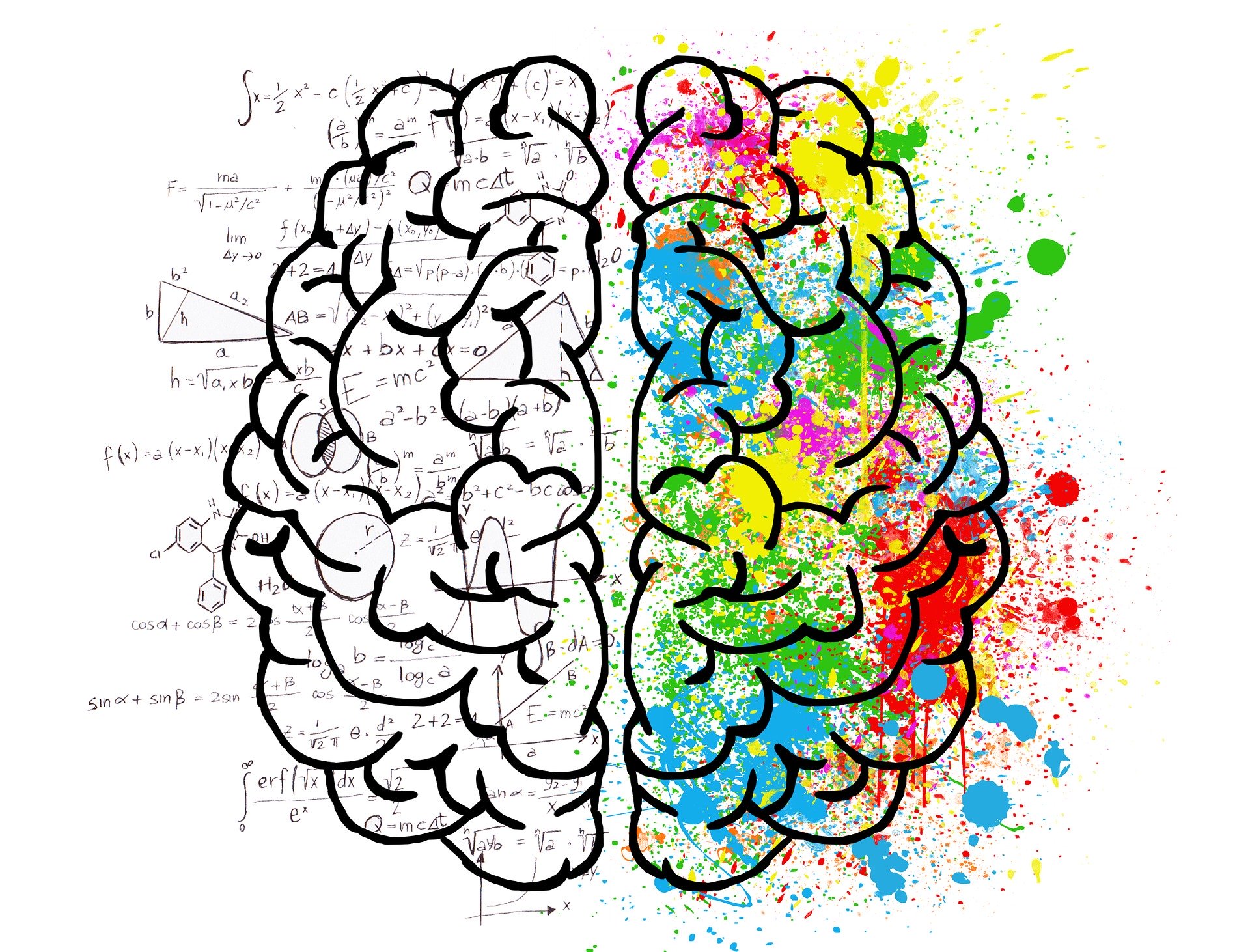
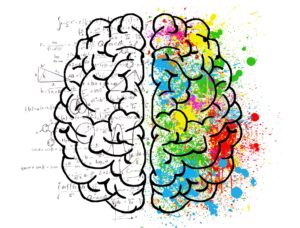 Be social. Spending time with friends and family is not only fun, it stimulates your brain and enhances the quality of your thinking. Even in quarantine while dealing with COVID-19, you have the ability to pick up a phone or get on a video call to stay connected with friends and family.
 One of the most obvious yet most overlooked health habits is getting enough sleep. Fatigue compromises the way your body works – in fact, chronic fatigue syndrome, which has been linked to faulty immune system function, can make you more susceptible to infection.
 Drinking water helps your immune system function better. It is important to keep hydrated on a regular basis, especially when it’s cold and flu season. Keep your immunity up by drinking plenty of water to stave off infection. Staying hydrated helps your body naturally eliminate toxins and other bacteria that may cause illness.