
How To Take Better Care of Your Brain
There’s so much discussion about the brain these days, mostly about problems and conditions that affect the brain.
Many athletes are plagued with concussions that interrupt their careers and lead to degenerative nerve system disease. We all know of people who were hurt in auto accidents, for example, who sustained brain injuries that left them unable to walk or move, and others who had a stroke, which is what happens when a blood vessel in the brain is damaged or broken. And surely, you have been exposed to the ravages of Alzheimer’s Disease. These are all examples of brain-centered conditions.
But there’s a whole other discussion we need to have about the brain, in addition to avoiding brain injury, damage and disease. We need to discuss how to take care of your brain, to make it as healthy as possible, so you get all the positive benefits of a healthy mind and body.
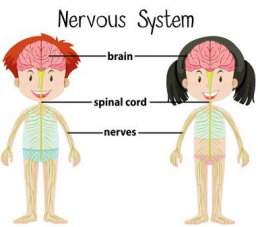
 Why is the brain so important? Your brain is your central control center, your main computer that receives and interprets input from your world and creates appropriate responses. What would happen if the central control center of your phone or laptop wasn’t working properly? You can see how all the functions would be compromised. It would slow down and at some point, maybe not work at all. The same thing may happen in your brain’s hardware and software.
There are a few simple habits that make your brain healthier and work better. For example, one of the best things you can do for your brain is to get seven or eight hours of sleep each night. This is essential because while you sleep, your brain does its house-keeping, ridding itself of waste products to “clean up” after a day’s work. That’s why losing sleep can be so harmful – your brain starts to wear down due to toxins accumulating from incomplete daily maintenance.
Your brain also needs the right nutritional support. Because your brain is 70% water, dehydration is detrimental to brain function – you should be drinking eight to twelve glasses of water every day. And, there has been a major shift in understanding brain nutrition – we used to think that fat was bad for you, and sugar was brain food. We now know that sugar is bad for you, and healthy fats are brain food.
What fats are healthy, and which are unhealthy? Fried, oily foods and potato chips are examples of unhealthy fats, which don’t nourish your brain and clog your system with gunk. Olive oil, avocado, walnuts and wild salmon are sources of healthy fats, which supply valuable nutrition for your brain and don’t clog up anything.
It’s easy to understand that your brain needs sleep, water, and good nutrition to stay healthy. But there are two other areas most people don’t yet consider when they want a healthier brain.
First, we all need to recognize the degree of emotional stress we deal with every day. Pressures at work or school, family or relationship issues, financial problems and health conditions stress us, and if we don’t do anything to eliminate that mental stress or learn to cope with it, it wears us down emotionally and eventually leads to physical conditions as well. Depression, obesity, heart conditions, digestive complaints, cancer, diabetes, all may be related through brain stress. You can reduce the impact of emotional stress with relaxing, stretching, yoga, meditation, exercise, massage, martial arts, walking in Nature, dancing, laughter and many other stress relaxation techniques.
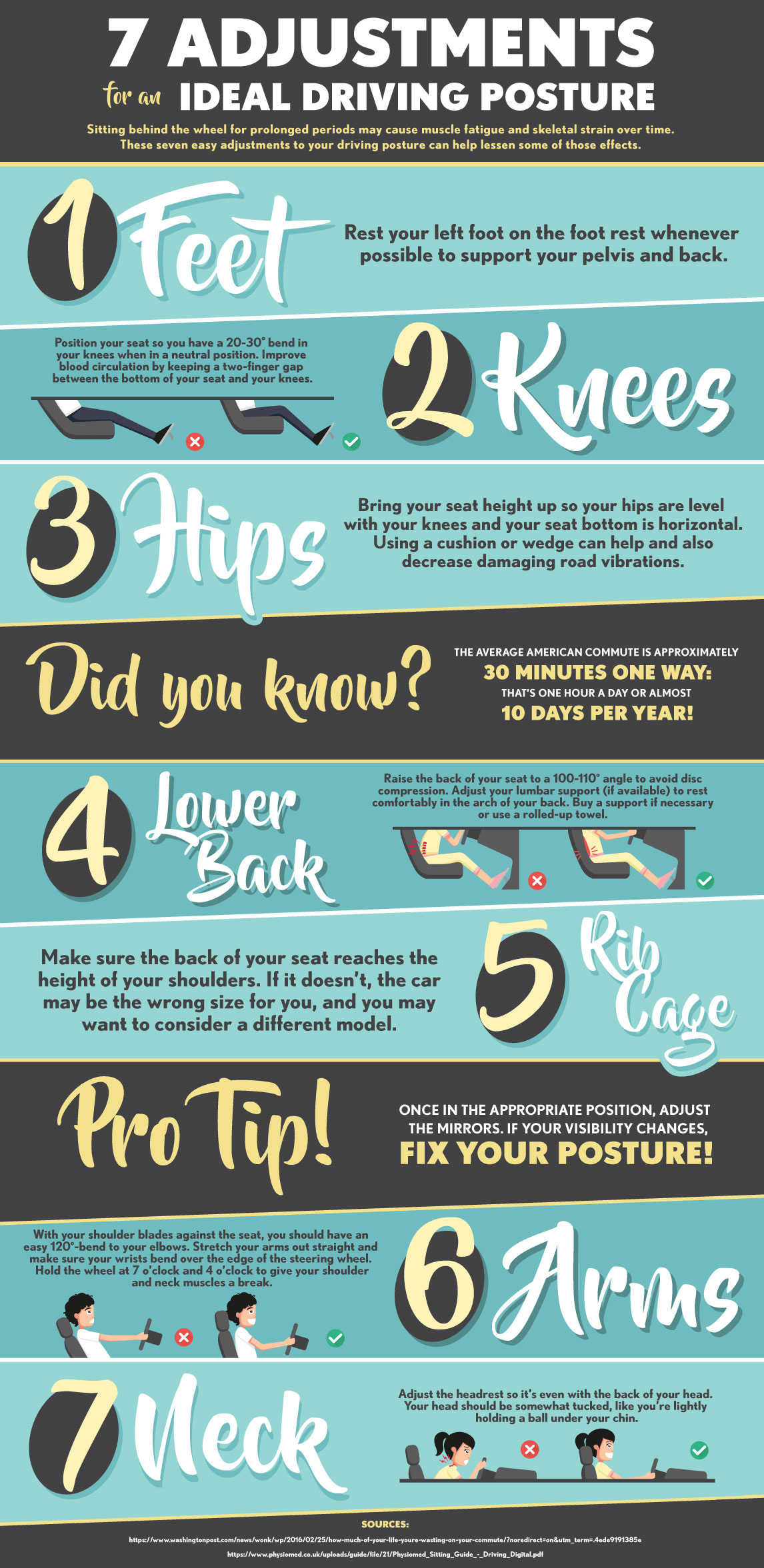
Second, current research shows that healthy spinal movement is necessary for good brain function. 1981 Nobel Prize winner, neuroscientist Dr. Roger Sperry, said that “90% of the stimulation and nutrition to the brain comes from spinal movement.” This means that a healthy spine is essential for a healthy brain, and this is supported by new research coming out of the New Zealand Chiropractic Research Centre, where Dr. Heidi Haavik is studying how chiropractic adjustments make the brain healthier. Anyone serious about brain health must pursue spine health, usually with your family chiropractor, among other spinal experts when needed. Something as simple as maintaining good posture can make a big difference.
So, to keep your brain healthy, get enough sleep, drink water, avoid sugar and unhealthy fats and eat healthy fats, develop a stress relaxation routine that balances you emotionally, and be sure to get a chiropractic checkup. Let your Doctor of Chiropractic help you develop better brain health habits – as your most trusted health and wellness advisor, your chiropractor can offer you and your family guidance on how to have a healthier brain, and therefore a healthier life.

 Most kids suffer the chemical stress of a poor diet, opting for sugary and salty snacks instead of fresh wholesome foods. And most kids bear the emotional stress of academic pressure, not to mention the social issues of competing with peers, seeking approval of friends, ugliness with bullies and trying to develop the tools for young romance.
 Athletes have been benefiting from chiropractic care for many years; however, it has only recently been receiving attention from the media. Athletes of all types, from the weekend warrior to the world-class athlete, utilize chiropractic because it is a drug-free way to better health and performance. It is not only about treating injuries. Athletes often seek care to prevent injuries before they occur and to improve performance. They want to gain an edge on the competition. Sean Atkins, a PhD Exercise Physiologist, states, “I would estimate that in excess of 90% of all world-class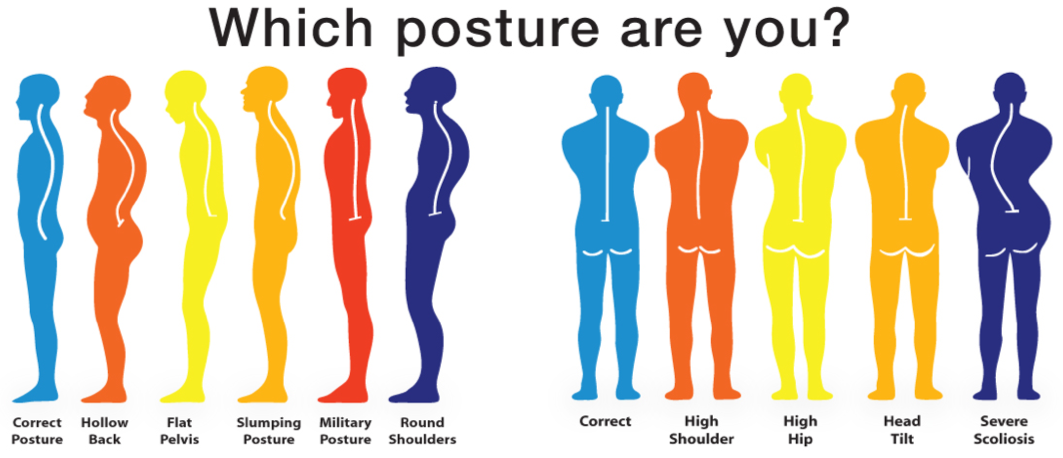
 Developing the habit of
 Kentucky House of Reform presented a study involving a group of 244 adolescent boys who were incarcerated by the state because of criminal or behavioral problems. The boys received chiropractic care during their rehabilitation period and nearly 100% showed documented improvement in behavior and conduct. 144 of the 244 patients improved to the point of being released from custody following a period of chiropractic care. An intimate connection exists between the spine, the brain, and the central nervous system. The health of the spine directly influences the health and function of the entire body. Children under chiropractic care report improvement with many different symptoms and health conditions. Evidence connects improved performance in school and activities to benefits resulting from spinal adjustive care.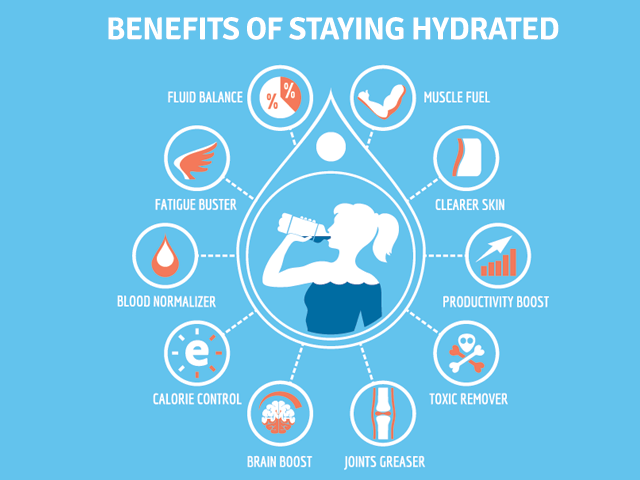
 But there’s a deeper reason why you should make sure to include enough water intake each day. Depriving your brain of water over time starts to erode thinking, memory, and ability to maintain attention. When your body is dehydrated, you may experience things like muscle cramping, headaches, and poor digestion. It happens gradually and may not be noticed until it gets more obvious and can then be mistaken for other illnesses.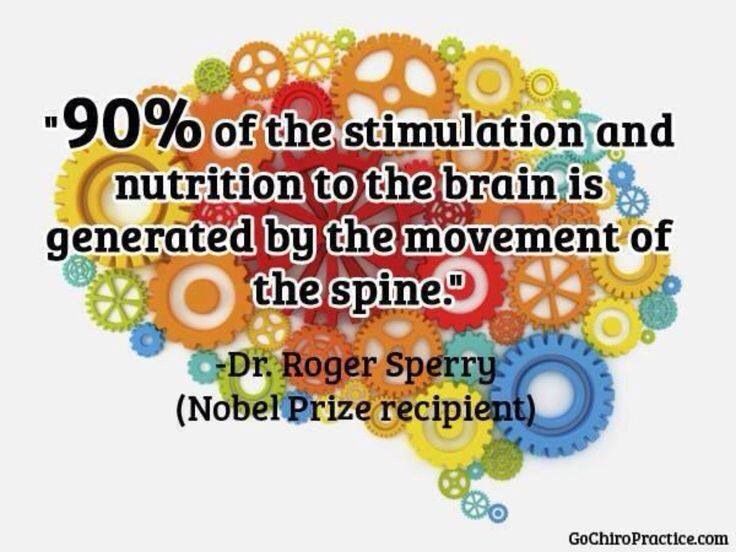
 But even after correcting for those factors, there was a key characteristic that seemed to show up with the people who had the
 When you exercise, your body innately knows to make more mitochondria to meet the increasing energy demand. This is called “mitochondrial biogenesis,” and as a result of having more mitochondria, you simply have more energy to use. In fact, after six to eight weeks, the cells can add as many as 50% more mitochondria, which dramatically enhances fitness and endurance.