chiropractors in montgomery county pa

Research Reveals Chiropractic May Help Children with ADHD

Attention Deficit Hyperactivity Disorder (ADHD) plagues kids and families all over the world. Experts determined that ADHD reached a level of crisis based on the number of people the medical community diagnosed with the affliction. Medical doctors diagnosed over 6.4 million school-age (4-17) children in the United States alone. This number registers a 42% increase over the last 12 years. Children who suffer from an ADHD diagnosis typically act before they think, have trouble focusing, and cannot sit still for long periods of time. Children diagnosed with ADHD struggle with focus, concentration, and learning ability more than other kids their age. ADHD often results in lower performance in school and an inability to perform mundane tasks in school and at home. Most parents of ADHD children look for solutions in a variety of places. Chiropractic can succeed where other strategies may fail.

chiropractors in montgomery county paResearch published in 2010 observed a clear connection between a chiropractic adjustment and brain function. The adjustment led to improved brain and body coordination. Many additional studies corroborate a link between a chiropractic adjustment and improved brain function in children and adults. A chiropractic adjustment helps restore balance to the nervous system. The result allows children and adults of all ages to experience more control and calmness while leading better lives with greater ability to learn and perform. Some children with ADHD love to be squeezed, hugged, and massaged. They also like to sleep with heavy blankets or comforters wrapped around them. These characteristics influence little neurons within their muscles and spine, triggering a calming effect within the brain.

The power of the brain controls all performance. Chiropractic adjustments improve motion within specific misaligned areas of the spine. Releasing interference to the nervous system stimulates the brain to produce hormones which trigger calmness and pain reduction. Chiropractic provides life-changing care for many parents of children with ADHD. Chiropractic delivers results by addressing the cause of the issue while medicines and drugs simply numb the outward symptoms of the diagnosis without fixing the source of the problem. The science and research behind a chiropractic adjustment’s ability to improve brain function continues to take shape through studies and data. Brain enhancement and improved hormone function await both those who suffer from ADHD and those simply wanting to unlock their optimal cognitive ability. Children and adults deserve the best opportunity to live a life free from drugs and symptom-treating medications. Chiropractic care delivers results which are proven by science and driven by the magnificent power of the brain and nervous system. Schedule a consultation to find out how chiropractic can help your family!

Source: Experimental Brain Research 2015 Apr;233(4):1165-73 “Changes in H-reflex and V-waves following spinal manipulation.” Niazi IK, Türker KS, Flavel S, Kinget M, Duehr J, Haavik H.
arthritis in montgomery county pa

What You Need to Know about Arthritis and Spinal Disc Issues

Sometimes called degenerative joint disease or degenerative arthritis, osteoarthritis (OA) is the most common chronic condition of the joints, affecting approximately 27 million Americans. OA can affect any joint, but it often occurs in the neck and low back regions of the spine. OA affecting the discs in the spine is also called degenerative disc disease. Many people think arthritis is just part of the aging process, but most of the time, it is a biomechanical problem left unaddressed that worsens over time. It is like driving a car out of alignment for an extended period. Of course, the tires and brakes would wear unevenly. The same thing happens in the spine. When the bones and joints are not moving correctly, they will start to wear down. This can lead to thinning and weakening of the discs. Chiropractic does not necessarily remove degeneration that has already taken place, but it can get the spine moving better and prevent further degeneration from occurring.

The discs, or shock absorbers in your spine, are vitally important to distribute forces as you move. It should be a priority to keep them healthy. However, sometimes they bulge, herniate, degenerate and tear, but they don’t “slip.” Discs, along with the curves of the spine, serve as the “shock absorbers” of your body. Lower back pain may be the result of herniated discs and other disc issues. Separating each vertebra, they create the necessary spacing for nerves to exit the spinal cord to service the organs and tissues of your body. Rings of fibrous tissue called the annulus contain a soft jelly center.

arthritis in montgomery county paHere’s a look at two common disc problems:
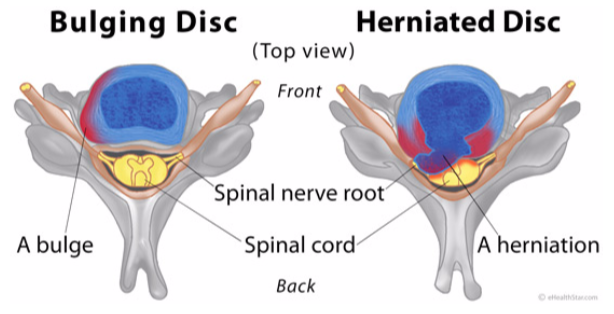
Bulging Disc

A weakened area of the annulus can allow the softer center of the disc to bulge out like a balloon. This can put pressure on nearby nerves and cause pain. Bulging discs do not have to cause pain though. One study found that up to 74% of asymptomatic participants (people with no symptoms) had evidence of a bulging disc on MRI. Whether they cause pain or not, bulging discs can interfere with normal function and thankfully respond well to chiropractic care. With improved spinal function, we’ve seen many cases in which surgery was threatened, resolve nicely.

Herniated Disc

A herniated or ruptured disc tends to be more serious. It can occur anywhere in the spine, but seems most common in the lower back. This is when part of the soft center pushes out through a weakened area due to trauma or degeneration, putting pressure on the spinal cord. Many types of herniated discs respond very positively to chiropractic care too.

Chiropractic care, along with simple exercises, such as walking, core strengthening, increased water intake and improved nutrition offer a natural, non-surgical resolution for many disc problems.

neck pain montgomery county pa

Chiropractic Combats “Text Neck”

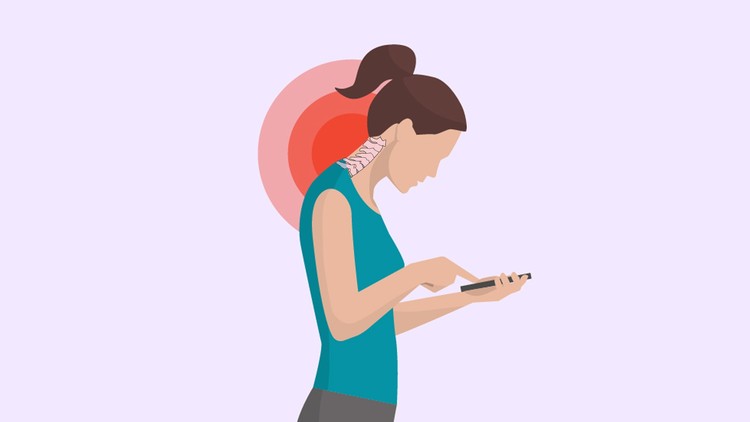
A recent study showed that almost 80% of the population between the ages 18 and 44 claim they carry their cell phones for over 90% of their waking day. The stress of constantly looking down at a phone leads to a host of problems stemming from what doctors in professional journals diagnose as Text Neck.

Research shows that the head weighs approximately 12 pounds when resting properly on the neck. Any forward flexion of the cervical spine adds weight to the neck at varying degrees. Every fifteen degrees of forward neck flexion adds between nine and fifteen pounds of force onto the spine. The normal forward flexion present when looking down at a phone increases head weight on the neck and spine by sixty pounds. According to a 2017 study titled “Text Neck” published in the Spine Journal, spine surgeons have noted a significant rise in the number of patients complaining of neck and upper back pain. Many of these complaints come from children and young people who experience frequent neck pain, shoulder pain, and headaches. Hundreds and thousands of hours spent looking down at electronic devices creates abnormal neck curve alignment and disc herniations.

neck pain montgomery county paA study of over 7,000 young adults between the ages of 20 and 24 showed persistent neck and upper back pain associated with time spent text messaging. Accelerated neck and mid-back spinal degeneration becomes a likely side effect of the forward head flexion often experienced through texting. The increase in disc pressure during flexion contributes to disc degeneration and poor spinal health. Chiropractic remains one of the most important and effective interventions to minimize and reverse the negative effects of texting. Research clearly proves a connection between text messaging and adverse conditions in the neck and shoulders.
Far more extensive research over the last 120 years proves a major connection between overall spinal health and a person’s quality of life. The spine’s intimate relationship with the central nervous system directly links optimal function and well-being to the status of the spine. The nervous system becomes imbalanced whenever spinal position or mobility becomes altered or misaligned. The resulting host of unwelcome conditions and symptoms includes: problems with immunity, digestion, attention, concentration, energy, breathing, headaches and even heart problems. Chiropractors detect and correct spinal misalignments to remove stress from the nervous system and allow the spine and body to function like it should.

5 Simple Strategies to Prevent or Minimize the Effects of “Text Neck”

  • Hold cell phones (and all electronic devices) at eye level as much as possible.
  • Text with two hands to create more symmetry and minimize spinal imbalances.
  • Take frequent, long breaks from electronic devices throughout the day.
  • 20 second stretch – Pull your arms and shoulders back while tilting your head up to look up at the ceiling or sky. Do the 20-second stretch at least once every hour
  • Regular wellness visits to the Chiropractor

Electronics aid in work, play, recreation, and communication. The body remains the most important device at everyone’s disposal. Ensure the body operates at optimal function levels by keeping the spine and nervous system in peak performance with regular trips to the chiropractor.

headache care in montgomery county pa

Up to 90% of ALL Doctor’s Visits Originate from This…

Stress kills. Doctors and health professionals agree that chronic stress attacks the body and systematically destroys an otherwise healthy organism. Research published in 2008 showed that up to ninety percent of all primary care doctor visits dealt with stress-related complaints. Millions of people receive medical advice that links stress relief to pharmaceutical drug use. Safe, long-term health care demands that attention be turned to the proper reduction and management of stress using science and research that point to a healthy headache care in montgomery county paalternative.

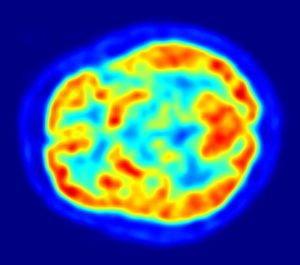
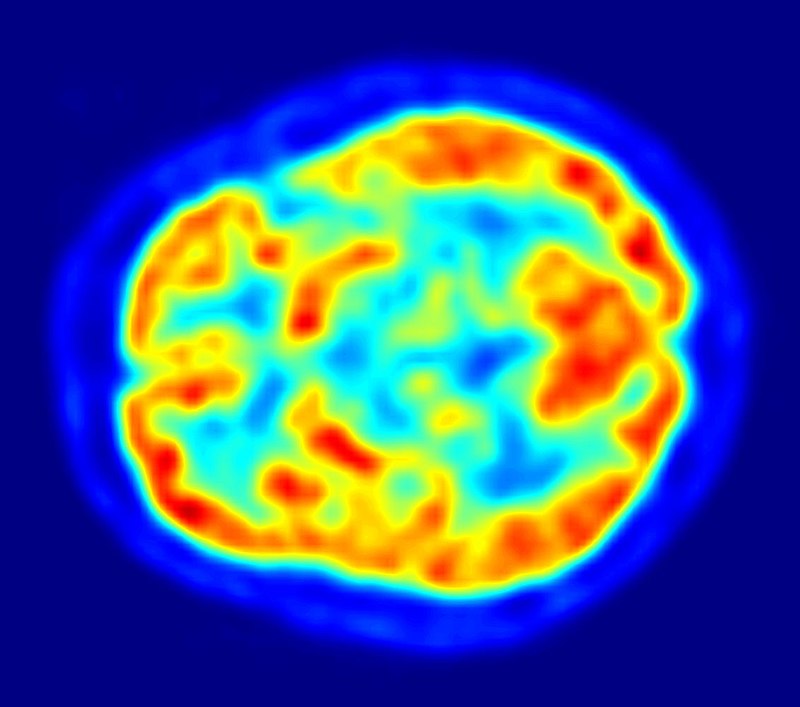
The most harmful effect of stress first occurs in the brain. Strategies and solutions to minimize and cope with the effects of stress must therefore begin with the brain. Scientists conducted a 2017 study on the brain utilizing a $3 million PET (Positive Emission Tomography) scan. A PET scan provides an imagine test that allows doctors to check for diseases and adverse function in the body. The scan injects a special dye with radioactive tracers into a vein in the arm. Organs and tissue absorb the tracers and allow the PET scanner to evaluate function while measuring an array of data ranging from blood flow to oxygen use and much more. Doctors primarily use PET scans to test for cancer and to evaluate the function of the heart, brain, and nervous system.

The 2017 study evaluated the effects of a chiropractic adjustment using the PET scan technology on 21 different subjects. The PET scan determined that brain function increased and stress levels decreased in every single subject. Measurements also recorded the occurrence of multiple changes in brain activity. Movement, posture, emotions, learning, and memory centers of the brain all improved after the Chiropractic adjustment. Brain processing experienced a reduction in fight or flight activity and led to relaxation in the brain and reduced tension in muscles. Measurements also showed a decreased level of stress induced chemicals in the saliva.

The PET scan concluded that chiropractic adjustments reduce stress by changing the brain. Regular chiropractic care amplifies the body’s natural defense against chronic stress and disease. The 2017 study adds another page into an ever-growing compilation of evidence-based research proving the positive impact made by regular chiropractic adjustments on hormones, emotions, cognition, and memory. Chronic stress begins in children and manifests in disease and sickness at all ages. Stress continues to be the single largest reason for doctor-related visits in today’s culture. Chiropractic plays a vital role in helping men and women of all ages overcome the effects of stress without dangerous drugs and chemicals. If you are in Bucks or Montgomery County, then schedule an appointment with us. We would love to be your chiropractor!

chiropractors in montgomery county pa

Your Brain Loves Chiropractic

Most people accept that chiropractic care is a great way to get well from all kinds of painful conditions, like back pain, neck pain, headaches, knee or shoulder injuries, and so on. As valuable as that may be, the latest research says that chiropractic does more than relieve suffering.

chiropractors in montgomery county paNew studies from the Centre for Chiropractic Research in New Zealand have linked chiropractic with improved brain function. Dr. Heidi Haavik, founder and director of the Centre, has shown a connection between chiropractic adjustments and the brain. Specifically, adjustments have a profound impact on the thinking, decision-making part of the brain, the prefrontal cortex.
The more we learn, the more we understand about how important it is to take good care of your brain. Regular chiropractic care is a core component of living a brain-healthy life, but it isn’t all you can do to have a healthy brain – the best brain food is healthy fat, found in foods like olives, fish, nuts, seeds and avocadoes. So, your brain is happy when you eat walnuts or sunflower seeds, when you dress your salad or cook with pure organic olive oil, cook with high-quality coconut oil, or dine on salmon or sardines.

Your brain doesn’t like refined sugar and other carbohydrates. So, your best diet would be low in sugars and high in healthy fats.

Your brain (and the rest of your body) also doesn’t like dehydration. Make sure to drink enough water – if you feel thirsty, drink water. You should aim to increase your water intake and shoot for a goal of drinking half your body weight in ounces of water per day (i.e. 75 ounces for a 150-pound person).

Finally, your brain needs sleep, since it maintains and heals itself while you sleep. Aim for seven hours or more, and your brain function will improve!

Chiropractic care, more healthy fats, less sugar, enough water and sleep – take good care of your brain, and it will take good care of you! Nutrition, hydration, and sleep can be handled on your own, but you cannot deliver a specific adjustment to yourself. If you have never been to a chiropractor or don’t currently have a chiropractor, then we would love to serve as your nervous system specialist. Schedule a consultation to see how chiropractic care can improve your brain and body function and help you live a healthy life!

chiropractic services in warminster pa

Handling the Four Types of Stress

We live in a stressful world, yet some people cope beautifully, while others suffer serious consequences. It turns out that we must learn to deal with four types of stress, and those who do have better health, less illness, and a better outlook on life. Since April is Stress Awareness Month, let’s take a look at what the four types of stresses are and how you can deal with them.

First, there’s physical stress, also known as mechanical stress. This is the wear and tear on your body, especially your spine, walking and existing in a gravitational field that constantly pulls downward on your body, so it has to work to remain upright. This takes a lot of energy and puts mechanical strain on your body. Injuries, repetitive movements, arthritis, poor posture and bad body mechanics all contribute to physical stress. Signs of not adapting to physical/mechanical stress include back and neck pain, stiffness, headaches, vertigo, too much or too little motion of knees, ankles, shoulders or wrists, foot pain, and other painful ailments. The best ways to deal with this kind of stress are through exercise, yoga, massage and chiropractic care.

Second, we have chemical stress, also known as nutritional stress. This is the wear and tear on your organs and blood, usually caused by insufficient nourishment in food, intake of toxic substances like food additives, preservatives, genetically modified organisms (GMO) and chiropractic services in warminster padrug residues in the water supply. Pesticides, weed-killers and other farming chemicals can poison your food products; it is not bad enough to hurt you when you eat them, but it can accumulate in your body over time. Signs of not adapting to chemical/nutritional stress are obesity, diabetes, heart disease, cancer, allergies, skin conditions, food intolerances, and other metabolic illness. Even legitimate medications can create tremendous chemical stress in your body, so anything you can do to minimize the amount of unsafe substances you take into your body, and upgrade the quality of the food and nutrition you get, will make your metabolism work better. This will allow you to adapt better to your chemical/nutritional stresses. Learning to eat and drink to clean your bloodstream and nourish your cells with quality nutrition makes a significant difference.
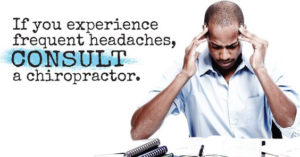
The third type of stress is mental stress, also known as emotional stress. This is the wear and tear on your mind, usually caused by perception of difficulty and the inability to adapt, in work, with family, with finances, with health or in relationships. Signs of not adapting to mental/emotional stress are nervousness, insomnia, digestive complaints, headaches, back and neck pain, anxiety, depression, anger management issues, and other psychological disorders. To handle such emotional stresses, you could practice stress relaxation techniques like meditation or yoga, or get some counseling. Often physical interventions, like exercise, chiropractic or massage, help to dissipate mental stresses. Sometimes these stresses work together, and their impact is amplified. For example, if you eat too much sugar or drink too much coffee, you may experience nervousness or jitteriness that is both a chemical and a mental stress. Long-term physical back pain can have a debilitating effect on mood or attitude, so it’s both a physical and an emotional stress. Therefore, chiropractors may discuss nutritional supplements, massage, modern stress reduction technology in addition to adjustments to help your body heal, recover, and cope with ongoing stressors in your life.

There’s a fourth kind of stress that is more prevalent now than ever before – it’s vibrational stress, also known as energetic stress. It’s the wear and tear on your energy field, usually caused by the electromagnetic pollution that surrounds us at all times. Cell phones, tablets, laptops, microwave ovens, television – we are constantly bathed in a sea of energy, and while our body handles much of it, the residue of this energy finds its way into our own energy field, interrupting normal tone in the body, especially the brain and nerve system. Signs of not adapting to vibrational stress, are fatigue, confusion, sleep problems, malaise and irritability. It can cross over into physical symptoms, like allergies, skin conditions, digestive complaints, and pain. There are many new approaches that address vibrational stress, like biofeedback, electromagnetic shielding, Epsom salt baths, crystal therapies and other new technologies. At least look to reduce the amount of time you willfully put yourself in a potentially disruptive energy field, like too much time on phone or tablet, or excessive exposure to known radiation sources.

It should be obvious that stress is a very serious topic. Experts have discovered that up to 90% of all disease is caused by some aspect of unresolved stress. We should all be doing everything we can to minimize our current stresses, avoid future stresses, and invest in recovery from our previous stresses. It’s the shortest distance between you and great, vibrant glowing vitality. If stresses are taking a toll on your health and you need some help or guidance dealing with them, call to schedule a consultation!

Headaches Are Common But NOT Normal

Headaches aren’t normal, but since they are extremely common in our society, many people mistakenly believe they are. Nearly everyone has an occasional headache, but the frequency for some people may surprise you. About 15% of our population experiences a headache at least once per month, but some estimates show that up to 5% of adults have a headache every – or nearly every – day. This represents many people living with constant, debilitating pain. Due to this fact, headaches are not surprisingly one of the most common causes of disability. They are also one of the top reasons for visiting a doctor. More than 250 million work days are lost each year due to headaches at a cost of 25 billion dollars per year. Although headaches affect the entire population, women are twice as likely as men to suffer from headaches.

chiropractors for headaches in montgomery county paSome people estimate that there are over 100 different types of headaches, and each type is categorized as either primary or secondary. Primary headaches are recurrent headaches that are not caused by underlying disease or structural problems. 90% of headaches are primary headaches. Secondary headaches are caused by some underlying disease or condition. Tension headaches and migraine headaches are by far the most common types of headaches, but other types such as cluster headaches and sinus headaches are important.
Just as there are many different types of headaches, there are also many causes of headaches. The scary thing is that research shows that only 10 percent of headaches have a definitive etiology or cause. Unfortunately, we have a healthcare delivery system that tends to focus on symptoms and effects rather than getting to the root cause of the problem. Every headache is just an effect with an underlying cause. Some potential causes include changes in pressure due to weather changes, fatigue and lack of sleep, sensory stress (i.e. light and sound), food sensitivity, medications, postural stress, hormonal changes, and other problems such as chronic eye strain, high blood pressure and improper diet. In rare cases, headaches can be attributed to more serious conditions such as brain tumors, stroke, meningitis or diabetes.

Getting relief from pain is great, but better than covering up the pain is finding out why you are experiencing the pain in the first place and correcting that. Even though there are many causes or factors that may contribute to the development of headaches, there are many actions that you can take to alleviate or avoid headaches. First would be to address stress. Stress activates our sympathetic, or fight-or-flight, nervous system. This part of the nervous system is housed in the thoracic and lumbar regions of the spine. When we are in a stressful situation, it kicks into gear. Short-term use of the sympathetic nervous system is beneficial to help us fight off a bear or get our project done before a big deadline at work. However, after the stressful situation is over, we are supposed to turn the sympathetics off. This doesn’t occur in our busy lives and our sympathetic nervous system is chronically “on.” Sustained sympathetic tone increases our blood pressure and tenses our muscles, which both can contribute to headaches. Turning the sympathetic nervous system off can be very beneficial and can be achieved by meditating, deep breathing exercises, getting adjusted, and more.

Stretching is also helpful in alleviating or preventing headaches. Many times, due to posture, stress, sitting at a desk all day, etc., the muscles in our neck, in our shoulders, in between our shoulder blades, and at the base of our skull are very tight and tense. Four basic stretches can be done to loosen these muscles. First is the chin tuck. This is where you draw your chin straight back so that your ear lines up with your shoulder. Second is cervical extension. Lean your head backward so that you are looking up toward the ceiling. With your head all the way back, gently apply pressure upward on the bottom of your chin lifting it toward the ceiling. The third stretch is the shoulder roll. Raise both shoulders up toward your ears, then pull them back, then drop them down before returning them to the neutral position. You can perform a forward shoulder roll too. Finally, try a trapezius stretch. Our traps are notorious for holding tension and developing trigger points. Gently pull your left ear toward your left shoulder. You can slightly drop your right shoulder downward to get more of a stretch. Repeat to the other side.

Additional actions that may help reduce headaches revolve around nutrition, hydration, and screen time. Reducing (or eliminating) inflammatory foods such as sugars, grains, dairy, and especially gluten can have a positive impact on headache symptoms. Inflammation can occur anywhere in the body. We give it a name based on what area hurts. In the joints, we call it arthritis. In the head, we call it a headache. Other foods or additives such as MSG and caffeine can also contribute to headache symptoms. Considering a detox to rid these system-irritating foods from your body can be greatly beneficial for your symptoms. Hydration is another important factor for headaches. Many people who are chronically dehydrated experience headaches. Aim to drink half your body weight in ounces of water per day to allow your body to function to the best of its ability. The last suggestion would be to limit screen time. Eye strain can lead to headaches. It is smart to get your eyes checked to make sure you don’t need glasses or a change in prescription. In addition, staring at computers, phones, tablets, etc. can cause tension on your eyes. Consider reducing screen time, especially at night.

If you implement these suggestions and are still suffering from headaches, then schedule an appointment with us at Radiant Life Chiropractic. We have had great success with patients complaining of headaches in the past and would love the opportunity to evaluate you and see if we can help you get on the right track. Many of the services that we provide are extremely effective in helping reduce the pain and dysfunction caused by headaches. Headaches are a big issue in our society, but they don’t have to be a part of your life. You just need to figure out what is causing them and then you can fix it. Try reducing stress, stretching, and addressing potential nutritional issues. If you are still dealing with headaches, then let us help. We can specifically evaluate you and develop a personalized plan to get you the best results possible. Call 215-259-5100 to schedule an appointment to address your pain and get you moving toward true health!

posture correction montgomery county pa

Posture and Your Brain

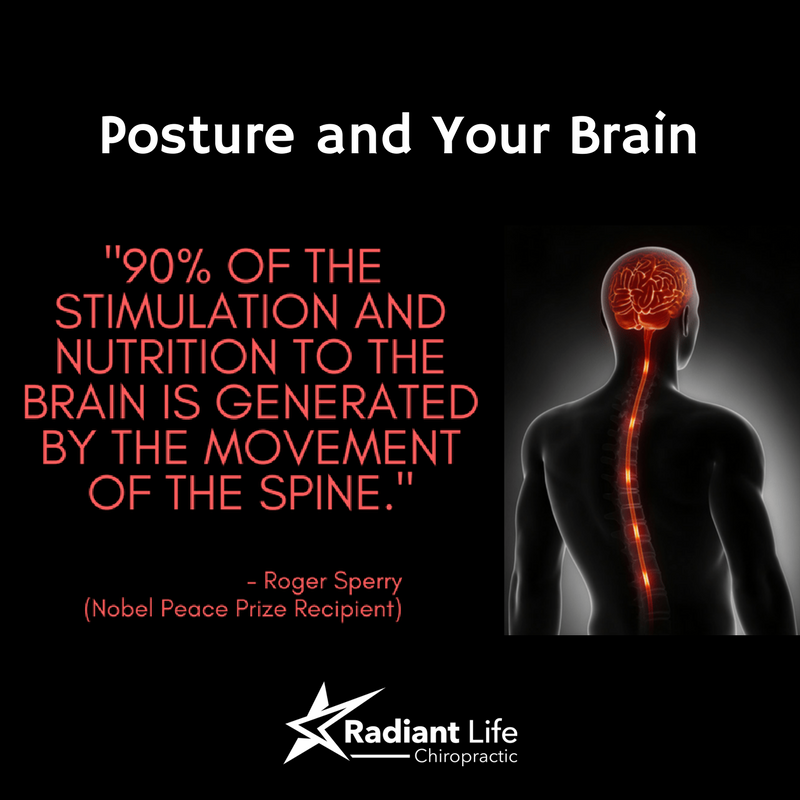
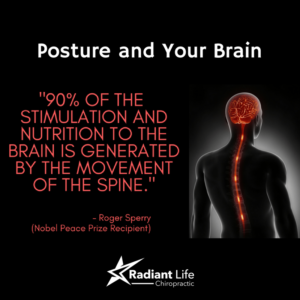
Psychologist and neurobiologist Dr. Roger Sperry won the Nobel Prize in Physiology and Medicine in 1981 for his research on the function of the brain. As you know, your brain is responsible for reacting to your environment, running your internal metabolism, as well as thinking and decision-making. You need your brain for everything you do – and if your brain isn’t as healthy as it could be, it compromises the way your body works. Dr. Sperry, renowned brain scientist, stated, “90% of the stimulation and nutrition to the brain is generated by the movement of the spine.”

posture correction montgomery county paThis means that having a healthy spine is essential if you want a healthy brain, and this is the leading reason why you and your family need to take the best care possible of your spine – not only does it reduce the likelihood of painful problems, it enhances your brain function which makes you healthier in every way. The first thing you can do to take care of your spine is to develop the habit of good posture. According to the American Posture Institute (API), “Modern sedentary living, misalignments and faulty movements in the spine combined with poor posture diminish nutrition and stimulation to the brain. How well we eat, move, think, connect and cope with stress determines our destiny.”
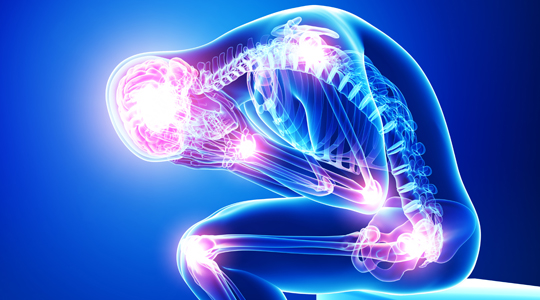
What is posture anyway? Posture is the position you hold yourself in, standing, sitting or lying down. It’s the way you deal with gravity, which exerts a constant downward pull on your body. Your posture is the sum of the alignment and movement of all the bones and muscles in your body, especially your spine. The API website says, “Good posture involves training your body to stand, walk, sit and lie in positions where the least strain is placed on supporting muscles and ligaments during movement or weight-bearing activities.” This means that proper alignment and movement reduces the stress on your spine, and that translates directly into a healthier brain.

It’s important for anyone to maintain a healthy posture, but it’s especially important for young people – because young people with poor posture habits turn into sicker adults.

To find your best posture, start by standing whatever you think is straight. Now, look down, and be sure your feet are straight, and about hip or shoulder width apart. Divide your weight evenly over your legs with your knees relaxed and let your arms dangle naturally by your sides. Position your shoulders above your hips, and your head above your shoulders. From the side, your ears, shoulders and hips should be aligned.

How about when you’re sitting? You want to aim for keeping both feet flat on the floor with your knees level with your hips. So, pick a chair that is at that height or can be adjusted to it. Sit back in the chair, and if you need extra support in the lower back, use a cushion or rolled up towel. Keeping your neck and upper back straight but relaxed, tuck your chin and stretch your neck a bit, so your head reaches toward the ceiling. If you need to, use a stool or footrest under your feet.

Sleeping posture is also critically important, since you spend between a quarter and a third of your life in bed. There are many valid sleeping positions, and your comfort will be a great determining factor. But most usually, sleeping on your back is ideal, with your neck supported but not pushed forward, and your knees slightly broken with a pillow or cushion. It’s just as good to sleep on your side, with a pillow between your knees if desired and enough height on your head pillow to keep your neck straight. Sleeping face down with your head turned all the way to one side all night is least beneficial for your spinal health. Keeping your spine straight while you sleep promotes relaxation, so you awaken more refreshed and rested.

Maintaining a healthy posture, whether you’re standing, sitting or lying down, is essential for good brain function. Work with your family members to remind each other to stand up straight, and it will reward you – you’ll feel better, look better, be healthier and you’ll keep your brain working at peak efficiency!

fibromyalgia

A Drug-Free Solution for Fibromyalgia Sufferers

Over 12 million Americans and 6% of the world suffer from fibromyalgia. Women make up over three-quarters of those afflicted by this painful condition. Fibromyalgia consists of chronic, widespread pain and a heightened response to pain and pressure. Associated symptoms include extreme fatigue, sleep problems, and memory troubles in addition to restless leg syndrome, bowel or bladder issues, numbness, tingling, and sensitivity to noise, lights, and temperature. No known cause exists for fibromyalgia.

Fibromyalgia pain results from processes in the central nervous system and the health care community also attaches the label of “central sensitization syndrome.” No specific diagnostic test exists to confirm a fibromyalgia diagnosis. The current diagnosis process involves ruling

fibromyalgiaout other potential causes and verifying the presence of a set number of other symptoms. Medical doctors treat fibromyalgia with a blend of pain medications.


Chiropractors uniquely help fibromyalgia patients by assessing and addressing the central nervous system. Fibromyalgia sufferers who begin chiropractic care often share their pursuit of a solution that helps their condition without the addition of more drugs. Those who experience the health and healing of chiropractic care become quick advocates to those experiencing the initial stages of fibromyalgia.

Research published in 2014 documented clear evidence proving the positive effects of chiropractic adjustments on subjects suffering from fibromyalgia. The study split 120 fibromyalgia sufferers into two groups. One group went through a 12-week fibromyalgia education program that included cognitive therapy sessions and a specific exercise program. The second group of sixty patients received the exact same protocol with the addition of a series of chiropractic adjustments to the upper neck. Patients in the second group received a total of 20 adjustments to the upper neck over a 12-week period.

Both groups received benefits from each of their respective interventions. However, the group who received upper neck chiropractic adjustments achieved more significant, long-term improvements when compared to control group a year later. Chiropractic care proved to not only help fibromyalgia sufferers overcome the pain and symptoms of the diagnosis, but also provided sustainable improvement without the use of prescription medications.

Chiropractic adjustments to the upper neck influence the entire body through their direct impact on the brain. The upper neck plays a crucial role in positively influencing the central nervous system. Misaligned or immobile areas of the spine prevent adequate communication between the brain and the rest of the central nervous system. Chiropractic adjustments help stimulate restoration of proper blood chemistry, hormones, and pain receptors. Fibromyalgia sufferers represent one of many groups of people locked in an uncomfortable cycle of disease that builds dependence on pharmaceutical drugs. Chiropractors help millions of people escape to a world of optimal health and function by unlocking the power within the body.

low back pain montgomery county

Low Back Pain: Don’t Accept Being Another Statistic

Have you ever put in a long day of work out in the yard and woke up the next day not being able to roll out of bed due to sharp, grabbing pains in the low back? Maybe your low back pain began after being rear-ended at a traffic light because the driver behind you was texting. Or possibly, you are the person who has been dealing with chronic aches and pains in the low back for 20 years dating back to issues that started in high school. No matter what the cause or whether it is acute or chronic in nature, chances are that low back pain will (unfortunately) strike at some point in your life. Researchers estimate that nearly 75-85% of the American population will suffer from some form of back pain in their lifetime. In fact, 31 million Americans experience low back pain at any given point.

The lower back, where most back pain occurs, is a complicated structure of bones, joints, ligaments and muscles. It includes five bony vertebrae in the lumbar region, which supports much of the weight of the upper body. The spaces between the vertebrae are maintained by round, rubbery pads called intervertebral discs that act like shock absorbers throughout the spinal column to cushion the bones as the body moves. Bands of tissue known as ligaments hold the vertebrae in place, and tendons attach the muscles to the spinal column. low back pain montgomery countyThirty-one pairs of nerves are rooted to the spinal cord and they control body movements and transmit signals from the body to the brain. You can sprain ligaments, strain muscles, rupture discs, irritate joints, and impinge nerves, all of which can lead to back pain. When nerve roots in the low back that join to form the sciatic nerve are involved, people may also experience sciatica symptoms such as pain into the buttocks, to the hip, or down the leg. While sports injuries or accidents can cause back pain, sometimes the simplest of movements can have painful results too. In addition, arthritis, poor posture, obesity, and psychological stress can cause or complicate back pain. Most cases of back pain are what we call mechanical or non-organic—meaning they are not caused by serious conditions, such as inflammatory arthritis, infection, fracture or cancer. However, in a small percentage of cases, low back pain can also directly result from disease of the internal organs, such as kidney stones, kidney infections, blood clots, or bone loss.

Although low back pain has become a common condition in our society today, we should understand how it affects us and why it really matters. Just because it has become a common ailment does not mean that we should accept it as a normal part of life. Low back pain is more than just discomfort; it can be debilitating and have a huge impact on our quality of life. Almost 40% of individuals surveyed indicated that low back pain negatively affected their ability to perform necessary daily activities. Low back pain is the single leading cause of disability worldwide and the second leading reason for missed days of work (behind the common cold). It is also a major cause of decreased productivity at work. This is a problem because this is when low back pain starts to affect people’s livelihood. Not many people can afford to miss work or perform inefficiently for very long. Individuals surveyed also indicated that low back pain interfered with activities like exercise and sleep. These are major lifestyle factors that can impact a person’s overall health!

In addition to the negative effects of low back pain on health and quality of life, there are also large economic costs that are associated with low back pain. Annually, $50 billion are spent on treatments for low back pain in America. While the direct costs for treatment are huge, the indirect costs are even more astronomical. It is estimated that $100 billion are spent on indirect costs of back pain. Indirect costs include not only lost wages and productivity, but also legal and insurance overheads and the impact on family.

A final reason why low back pain should be taken seriously comes from a very interesting 2004 study published in the Journal of Neuroscience. It used MRI scans to look at the brains of people with and without chronic back pain. Chronic back pain sufferers had smaller brains, and the volume loss was equivalent to the volume lost during 10-20 years of normal aging! So, if you don’t care about a reduction in quality of life or the economic burden of low back pain, then address your aches and pains for your brain, that little organ running all the functions in your body. The best part is that there are actions you can take, and we can help!

At Radiant Life Chiropractic, we believe that people are not meant to live with the burden of low back pain. If you do not suffer from pain, then that’s great, and there are things you can do proactively to keep any pain away. If you do have pain, then it is important to remember that pain is just an effect of some underlying cause. Thankfully, our office specializes in finding the root cause so we can correct the issue and provide relief and better function long-term instead of just temporarily.

  • Chiropractic:-Our chiropractors are interested in optimizing the structure and function of the spine. Proper alignment of the spine allows for less pressure on the discs, and it eases the tension on muscles, tendons and ligaments. When the spine is aligned and moving well, it also allows the nerves to function correctly. Communication from the brain to the body is essential to allow the body to decrease pain signals and heal better!
  • Posture Exercise: A specific posture rehabilitation program and overall fitness regimen is vital. More than half of Americans who experience low back pain spend most of their workday sitting. Poor posture, slouching, sitting, and being overweight are all factors that increase the likelihood of low back pain. We have a muscle called the transverse abdominis, which should act like a built-in back brace providing stability to the low back. However, unfortunately due to lifestyle factors and inactivity, it becomes deconditioned and cannot help to provide support. Becoming more fit and working on specific postural deficits can be very beneficial to preventing pain.

No matter what the reason is for why you are experiencing low back pain, Radiant Life Chiropractic can help fix the issue so you can get back to living your life both feeling and functioning well for years to come! If you or someone you know and love is dealing with low back pain, schedule an appointment and allow our team to provide the guidance necessary for progress on the road to better health!