What is Chiropractic? Here’s the Easy to Understand Answer

Over the next couple of weeks, we are going to review and answer some frequently asked questions that we get in the office. To start, it seemed like a good idea to answer the most basic one: what is chiropractic? Many people think about neck pain, back pain, and headaches when they think of chiropractic. They aren’t wrong in that thinking because chiropractors have had good results with those symptoms, but chiropractic is so much more than that. Chiropractic is very diverse serving patients from children to the elderly with a variety of techniques. Although chiropractic may look different in different offices, there is a simple, unifying philosophy driving a chiropractor to do what he or she does. To make it easy, chiropractic can be explained using the acronym CHIRO: 

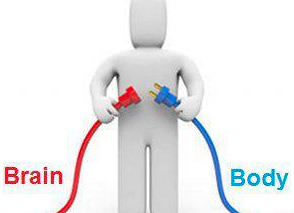
  • Communication: Chiropractic is all about the communication between the brain to the rest of the body. The brain is the most important organ, and the nervous system controls and coordinates all the other systems in the body. When communication is flowing properly between the brain and body, people tend to be healthier and happier.
  • Health is an inside out process: Like it was stated, when the nervous system is functioning properly, people have a much better chance at being truly healthy. Chiropractors believe the body has the ability to heal itself from the inside out provided it is given the right conditions. We need to eat well, move well, think well, and get adjusted.
  • chiropractic services in montgomery county paInterference: Unfortunately, we don’t always give the body the right conditions. The stresses in our life (whether they are physical, mental/emotional, or chemical) can cause interference in the communication between the brain and the rest of the body. Interference is bad and can contribute to many of the aches, pains and dysfunctions that we experience. For example, if there is interference in the nerves going to the digestive system, would it be surprising if things weren’t working well and you had some symptoms?
  • Reconnection: Chiropractors use different techniques to analyze the body and locate areas of interference in the nervous system. A chiropractic adjustment is delivered to gently provide a force to the body to reconnect and restore the communication between the brain and rest of the body.
  • Optimal function: Chiropractic’s goal is to maximize the function of the nervous system and, thus, the whole body. Chiropractors want patients to feel better, but it is much more important that their bodies are functioning better. A healthy nervous system is vital to good health, and improving nervous system function has helped with symptoms related to pain, digestive issues, colic, balance/vertigo, high blood pressure, and many others.

Ultimately, chiropractic is pretty simple. The brain and rest of the nervous system controls everything else, so why not make sure that it is working properly? If you know anyone having any health issues, then why not make sure the most important system in the body is working well. Call or schedule today to set up a consultation to see if we can help! Also, let us know on social media or email info@getradiantlife.com if you have any questions about chiropractic that you’d like us to answer!

chiropractors in bucks county

Foods that Reduce Stress…and Belly Fat

Most of us already realize that what we eat plays a major role in our level of health. Research points at dietary recommendations that will balance your body chemistry, produce wellness and increase longevity. With today’s arduous lifestyles, we can all gain a significant advantage by including certain foods in our diet and avoiding others.

For example, “Eat This Not That” published a list of foods that diminish cortisol, the stress-related hormone that tilts metabolism toward fat storage, especially belly fat. Deciding to eat better is a simple and direct strategy, available to just about everyone. Not surprisingly, most of these foods are fruits and vegetables, since the primary cortisol-fighter is plain old magical Vitamin C, also known as ascorbic acid, present in a wide variety of plant foods. Each food offers its own menu of chemical assets, worth your while to explore, make some choices, and of course pass these ideas along to those you care about.

chiropractors in bucks countyAnd it’s a pleasure to eat many of these desirable foods – for example, what tastes better than cool, ripe cherries on a hot summer day? That’s one reason they call a good life a “bowl of cherries” – but did you know that cherries make you healthier? Cherries are mostly water, so they’ll fill you up without packing on the calories – a cup provides 25% of your daily Vitamin C requirement, and they also provide melatonin, which helps you sleep. Work some cherries into your diet and you’ll feel better and function better, too.

Blueberries are also yummy, and they are a great booster for your brain function. They attack belly-fat, lower blood pressure and clean out bad molecules that mess up the way your body works and heals. Strawberries and tomatoes are common to many people’s diets, but did you know that they both contain nutrients called polyphenols? They help you to fight disease, but they also prevent fat from forming. Turnips combat body fat with a rich storehouse of nutrition that reduces inflammation and lowers the risk of cancer. Sweet potatoes stabilize blood sugar levels, which reduces cravings and lowers insulin resistance, which drops fat conversion.

Are you starting to see a pattern here? Each of these fruits and vegetables has a secret code of helpful, healthy chemicals inside – and by eating a variety of fruits and vegetables, you can provide the building blocks your body needs to fight chemical stress. And, if you have a particular kind of chemical stress, then a quick search will show you which foods you can concentrate on, so you can get your body tuned up like a finely-oiled machine. Pineapples are delicious, and they also contain bromelain, which breaks down foods and reduces bloating, while broccoli has cancer-fighters that also boost testosterone and fight body-fat storage. Red peppers will drive your metabolism and burn fat, while green peas will plunge your cortisol levels, relieving stress. Raspberries, asparagus, Brussels sprouts, red cabbage, guava, bok choy, melon, kale, oranges – Nature gives us what we need to live a long and healthy life. We just have to pay attention and respond accordingly, with common sense and perspective, and we can be both thinner and less stressed.

Needless to say, many will look at this list, scratch their head and shudder – and that’s the point. It’s the main reason we have such a cultural issue with obesity, that many of us simply haven’t learned how to enjoy these foods. When the standard nutritional approach is mostly meats, grains, unhealthy fats and empty carbohydrates, what could we expect besides an overweight public? Fortunately, the opposite is also true – the more we incorporate healthy foods into our daily routines, the less we’ll suffer the onslaught of cortisol-induced stress, the slimmer we will be, and the happier overall our society will become. All that from eating more organic, non-GMO fruits and veggies? Try it and see how it works for you and your family – it’s a habit that will reward you many times over.

back pain in bucks county

Avoid Aches and Pains from Summer Activities

Summer is a fun time to play outdoors and enjoy nature’s splendor, but it’s also a time that can be stressful for your body. We tend to ramp up the activity when it gets warmer outside, and if we aren’t careful, it can lead to aches and pains. Here are three tips to reduce physical stress for yourself and your family this summer.

  1. Choose the right level of physical activity. If you are already fit, then you probably know that trying to do too much exercise too soon would risk unnecessary injury. And if you’re not so fit yet, then start at a reasonable pace – in fact, start slower than you think you have to, until you find out what you can safely do. It’s like staying out in the sun too long and getting a sunburn – you may not realize you’re past the point of no return until it’s too late. Start slow, and you’ll get in shape faster, and prevent needless suffering. Another thing that you can do is find a personal trainer who can help you in this process and get you working out smarter and safely.
  2. back pain in bucks countyUse the correct equipment, clothing and footwear to match your needs, depending on what you’re doing. Bike riding is great fun, but a helmet makes it less likely you will get hurt. If you run or walk, wear shoes or sneakers that flex with your foot, and give you good ankle support. Protect your skin from the sun with a hat and appropriate body cover. Dress in layers to respond to differing temperatures, like going from inside a cold, air-conditioned office outside into the blazing sunshine. And of course, remember to hydrate. Hydration is important for so many reasons in the body. Aim to drink half your body weight in ounces of water per day. This will help ensure that you are staying properly hydrated.
  3. Visit your family chiropractor. Sports, yard work, temperature changes, or taking on more physical activity than you are used to, all create physical stress – and nothing is better to help your body cope with unresolved physical stresses than a chiropractic adjustment. Get a checkup for you and your family before you embark on your summer adventures!

We, at Radiant Life Chiropractic, would love to provide your family with high-quality, affordable chiropractic care. If you are in Bucks or Montgomery counties, then check us out. We serve Hatboro, Horsham, Warminster, Warrington and the surrounding communities. If you have any questions, please reach out to us at 215-259-5100. Call or schedule online to request an appointment today! We’d love to get your body better adapting to the physical stresses of summer and move you in the right direction on the road to true health!

low back pain mont co pa

You Don’t Have to Suffer with Arthritis

Arthritis is something we talk about all the time. It is unbelievably prevalent in society. Statistics show that 1 out of 3 people from the ages of 18 to 65 suffer from arthritis. When we just look at people 65 years of age and older, the number jumps to 1 out of 2. With percentages like that, there’s a good chance that you are dealing with some form of arthritis as you read this, but if not you, then you probably know someone dealing with the effects of arthritis. However, even though many people are familiar with the term, we find that people don’t fully understand arthritis and there are plenty of misconceptions surrounding it.

Arthritis can be broken up into two broad categories: inflammatory and degenerative. All types of arthritis involve inflammation of the joints because that is what the word literally means in Latin. Inflammatory arthritis are conditions that affect joints throughout the body. They are systemic diseases. The most common type of inflammatory arthritis is rheumatoid arthritis. Degenerative arthritis is also called osteoarthritis.

  • Rheumatoid arthritis is an autoimmune disease, which means the immune system attacks the joints, causing inflammation, pain, and stiffness. Rheumatoid arthritis typically impacts the hands, wrists, and feet.
  • Osteoarthritis is a degenerative joint disease, which wears away at the cartilage, or cushioning, surrounding a healthy joint, causing bone spurs to develop and rub against one another, making movement painful, stiff, and causing inflammation. Osteoarthritis typically appears in weight-bearing joints such as the knees, hips, fingers, hands, neck, lower back, and ankles.
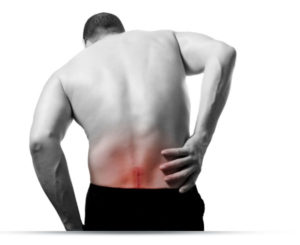
low back pain mont co paFor the majority of this article, we are going to focus on osteoarthritis. Osteoarthritis is the most common form of “wear-and-tear” arthritis, which refers to the way the disorder gradually breaks down cartilage, or the protective covers over the ends of our bones that allows for smooth and pain-free joint movement. This degenerative disease impacts nearly 27 million people across the United States. Although osteoarthritis can affect all demographics, it is most common in middle-aged to senior females. It is one of the top 5 reasons for visits to the doctor due to its knack to cause pain and disability. Any joint can develop arthritis, but osteoarthritis usually wreaks havoc in the weight bearing joints like your spine (especially the cervical and lumbar regions), knees, and hips. To show how common this is, think about this fact: there are approximately 700,000 knee replacements performed annually in the US!

One of the common misconceptions associated with arthritis is that arthritis is just due to aging. Aging plays a role, but arthritis and aging are not synonymous. There are many factors that play a part in the development of arthritis:

  • Previous injuries: Post-traumatic arthritis is one of the most common causes of arthritis that we see in the office. Whether it is whiplash, a sports injury, a previous fracture/sprain/dislocation, there can be abnormal biomechanics created in the joint. When this aberrant motion is not corrected, it starts to wear the joint down. It is like driving a car out of alignment for 10 miles versus 10,000. Driving more miles with bad mechanics will wear down the tires, brakes, etc. The same is true of our joints!
  • Illness or Infection: Some illnesses and infections can cause significant inflammation in the joints. These can be destructive to the joint and cause pain and dysfunction.
  • Stress and Not Sleeping Well: Cytokines are messengers of the immune system that can be pro-inflammatory. In times of stress when our sympathetic nervous system (fight-or-flight stress response) is activated, cytokines increase. Sleep is a way our body turns off the sympathetic nervous system and activates our body’s healing processes. When we are in constant stress and are sleeping poorly, our body can be stuck in an inflammatory state and this can affect our joints leading to arthritis.
  • Age: Age does play a role. As we get older, collagen in our connective tissue begins to shorten, and our joints do not move as well as they were designed to. This altered motion can have negative effects.
  • Lack of Movement: There is a component of “use it or lose it.” When we do not move enough, our joints become stiffer and this can increase the likelihood for arthritis to develop. Motion is life, and motion takes place in the joints. The ultimate stiffness is rigor mortis, so stay active and make sure your joints are moving.
  • Repetitive Overuse Stresses: Sitting, standing, bending, and lifting all take a toll on our joints. Consistent stresses being applied to our joints can break them down and lead to arthritis.

As chiropractors, we look at the whole body. However, we especially focus on the spine. There are very specific things that should be known about spinal arthritis. First is that arthritis in the spine is most common in the cervical/neck region or the lumbar/low back area. These areas are weight bearing and are sites where motion tends to be altered. Throughout the spine there are 53 joints and any of them can be affected. When any of the vertebra in the spine are misaligned, this can cause friction upon movement. Collagen and cartilage can break down and the discs and other parts of the joints can start to degenerate. Core stability and spinal compression are two other factors that affect the rate of degeneration in the spine. People with weak or inflexible cores will cause more stress and strain damage to the spine. Spinal compression in the forms of head weight, chest/breast weight, belly weight, and hip weight can also pull on the spine and wear it down. Gravity is constantly pushing us down, so when we have more weight on us, there effects of this compression is greater.

Since arthritis is a common problem in this country and leads to many doctor visits because of the pain and disability caused, it is worthwhile to look at the current treatments for these ailments. Currently, most of the treatment in this country for osteoarthritis is via the prescription of drugs. Percocets, darvocets, oxycontin, and Tylenol with codeine are four of the popular medications prescribed. Many of the drugs are opioids, which are a hot controversial topic due to their highly addictive properties. Even though the United States only makes up 5% of the world’s population, we consume 80% of the world’s opioid medications. About 40% of the opioid overdoses that occur are tied to opioid pain killers, and a big issue is that most of these people have their first contact with opioids from a prescription. The big disconnect for us at Radiant Life Chiropractic is that our society is trying to use pain killers and non-steroid anti-inflammatory drugs (NSAIDS) for a structural problem. To our knowledge, there has yet to be a drug or chemical created to correct the structure or motion of a joint, and we believe that arthritis can be handled in a more natural way. The even better part is that there are things that you can do on your own to help yourself. There are also things that we can help you with to give you the best results to fight against the negative effects of arthritis!

Boiling it down to the simplest statement, the best way to combat the effects of arthritis is to change the way you eat, move your body, manage your stress, and get adjusted. Nutrition is a great place to start. So many people in the US eat very pro-inflammatory diets. We like our processed meats, grains, sugar, fried foods, dairy, and artificial sweeteners, but we need to get them out of our diets ASAP. Processed meats like deli meats and meats that are from animals that were grain-fed are not good. Look for grass-fed meats. We don’t want to consume meat from animals that did not eat their natural diet. Grains are inflammatory for many people because of the protein gluten in them. Gluten, especially when grain crops are treated with certain pesticides, can destroy your gut and cause systemic inflammation. Not good! We all know sugar is bad for us, but it is very addicting. Fried foods, especially foods fried in vegetable oils, are also very pro-inflammatory. Dairy and artificial sweeteners both cause problems in our bodies because they are not natural. Milk was intended for baby calves, not humans. Artificial sweeteners are artificial chemicals that our bodies do not recognize, and thus, they cause inflammatory reactions.

arthritis relief in montgomery county paNow that you know what not to eat, it is also good to know what foods help heal our bodies. Green leafy vegetables are a great place to start. You cannot go wrong with them. Alkaline-based diets with foods like these are good to combat acid-based inflammation. Beets, broccoli, blueberries, kale and any other fruits or vegetables with lots of colors are a good choice too because they tend to be rich in antioxidants. Pineapples have an enzyme called bromelain which is a natural anti-inflammatory. Omega-3 fatty acids are also beneficial. You can get these in your diet from foods like well-sourced, wild-caught salmon and chia seeds. Coconut oil and its medium-chain triglycerides are beneficial to the body for inflammation. Finally, spices like turmeric and ginger are great to use while cooking to get their anti-inflammatory effects.

In addition to making dietary changes to help with arthritis, you can also battle arthritis by moving your body and exercising. Movement is medicine when it comes to your joints. There are so many benefits that someone with arthritis can get by exercising. First, when we move our joints, our proprioceptive nerves in our joints send lots of information back to the brain. Proprioception has to do with our brain knowing where our body is in space. When we flood the brain with nerve signals from our joints, it helps our brain refine our movement and our biomechanics can improve. This is good for the health of the joint. Movement of the joint also produces synovial fluid. Synovial fluid is the natural lubricant of the joint, so this is beneficial to help the joint move smoother with less friction. Finally, movement of the joints helps strengthen the muscles surrounding the joints which helps stabilize the joint. If you have arthritis and want to begin to exercise, it is always a good idea to start slowly. Focusing on non-weight-bearing range of motion for the joints that are arthritic is beneficial. For example, a recumbent bike for an arthritic knee might be better than going for a run. So, remember, do some mobility exercise to restore proper range of motion of the joint, strength exercise to improve the stability of the joint, and cardiovascular exercise to improve blood flow to the joint.

Making changes to your nutrition and exercise and finding a stress reliever that works for you can make big improvements in your arthritis symptoms. However, there are also things that we can help with at Radiant Life Chiropractic to help you get even better results! Chiropractic care can alleviate issues stemming from arthritis. Anything that moves can move out of alignment. When we don’t have proper alignment or movement of the bones in our spine (what we call a subluxation), this can lead to arthritis over time. When we look at the spine from the side, it should have three curves that help absorb the shock and compression from weight and gravity. Many times, we see people who lose the curve in their neck or low back or have an exaggerated curve in their upper back. When this happens, the spine is under a lot of additional stress and tension. Disc herniations can occur or bone spurs can develop. There is a law called Wolff’s Law that states that bone is laid down in response to stress. Due to a loss of proper motion, the body tries to lay down bone to stabilize an area that it feels is unstable and stressed. Bone spurs act similarly to rust in a hinge and prevent proper motion. They can also impinge nerves or cause narrowing, or stenosis, in the spinal canal. Our chiropractor uses methods to specifically analyze your spine and deliver gentle adjustments or utilize instruments to help restore proper alignment and motion in your spine. This not only helps with symptoms like pain, but it also prevents further arthritis from developing. We also adjust joints outside of the spine too. This includes knees, hips, ankles, shoulders, wrists, etc.

If you or a loved one are suffering from arthritis, there is hope. There are things that you can do to fight back against the negative effects of arthritis. If you have questions or need a little bit of guidance, schedule an appointment. We serve Hatboro, Warminster, Horsham, Warrington, Willow Grove and the surrounding communities in Bucks and Montgomery Counties and would love to see where you are and how we can best help you on the road to feeling and functioning better!

arthritis in montgomery county pa

What You Need to Know about Arthritis and Spinal Disc Issues

Sometimes called degenerative joint disease or degenerative arthritis, osteoarthritis (OA) is the most common chronic condition of the joints, affecting approximately 27 million Americans. OA can affect any joint, but it often occurs in the neck and low back regions of the spine. OA affecting the discs in the spine is also called degenerative disc disease. Many people think arthritis is just part of the aging process, but most of the time, it is a biomechanical problem left unaddressed that worsens over time. It is like driving a car out of alignment for an extended period. Of course, the tires and brakes would wear unevenly. The same thing happens in the spine. When the bones and joints are not moving correctly, they will start to wear down. This can lead to thinning and weakening of the discs. Chiropractic does not necessarily remove degeneration that has already taken place, but it can get the spine moving better and prevent further degeneration from occurring.

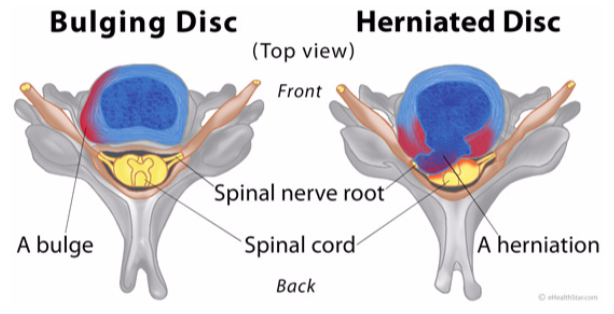
The discs, or shock absorbers in your spine, are vitally important to distribute forces as you move. It should be a priority to keep them healthy. However, sometimes they bulge, herniate, degenerate and tear, but they don’t “slip.” Discs, along with the curves of the spine, serve as the “shock absorbers” of your body. Lower back pain may be the result of herniated discs and other disc issues. Separating each vertebra, they create the necessary spacing for nerves to exit the spinal cord to service the organs and tissues of your body. Rings of fibrous tissue called the annulus contain a soft jelly center.

arthritis in montgomery county paHere’s a look at two common disc problems:

Bulging Disc

A weakened area of the annulus can allow the softer center of the disc to bulge out like a balloon. This can put pressure on nearby nerves and cause pain. Bulging discs do not have to cause pain though. One study found that up to 74% of asymptomatic participants (people with no symptoms) had evidence of a bulging disc on MRI. Whether they cause pain or not, bulging discs can interfere with normal function and thankfully respond well to chiropractic care. With improved spinal function, we’ve seen many cases in which surgery was threatened, resolve nicely.

Herniated Disc

A herniated or ruptured disc tends to be more serious. It can occur anywhere in the spine, but seems most common in the lower back. This is when part of the soft center pushes out through a weakened area due to trauma or degeneration, putting pressure on the spinal cord. Many types of herniated discs respond very positively to chiropractic care too.

Chiropractic care, along with simple exercises, such as walking, core strengthening, increased water intake and improved nutrition offer a natural, non-surgical resolution for many disc problems.

neck pain montgomery county pa

Chiropractic Combats “Text Neck”

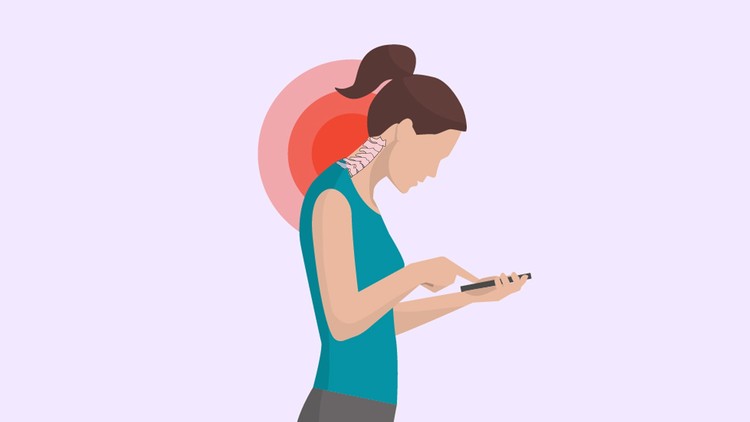
A recent study showed that almost 80% of the population between the ages 18 and 44 claim they carry their cell phones for over 90% of their waking day. The stress of constantly looking down at a phone leads to a host of problems stemming from what doctors in professional journals diagnose as Text Neck.

Research shows that the head weighs approximately 12 pounds when resting properly on the neck. Any forward flexion of the cervical spine adds weight to the neck at varying degrees. Every fifteen degrees of forward neck flexion adds between nine and fifteen pounds of force onto the spine. The normal forward flexion present when looking down at a phone increases head weight on the neck and spine by sixty pounds. According to a 2017 study titled “Text Neck” published in the Spine Journal, spine surgeons have noted a significant rise in the number of patients complaining of neck and upper back pain. Many of these complaints come from children and young people who experience frequent neck pain, shoulder pain, and headaches. Hundreds and thousands of hours spent looking down at electronic devices creates abnormal neck curve alignment and disc herniations.

neck pain montgomery county paA study of over 7,000 young adults between the ages of 20 and 24 showed persistent neck and upper back pain associated with time spent text messaging. Accelerated neck and mid-back spinal degeneration becomes a likely side effect of the forward head flexion often experienced through texting. The increase in disc pressure during flexion contributes to disc degeneration and poor spinal health. Chiropractic remains one of the most important and effective interventions to minimize and reverse the negative effects of texting. Research clearly proves a connection between text messaging and adverse conditions in the neck and shoulders.
Far more extensive research over the last 120 years proves a major connection between overall spinal health and a person’s quality of life. The spine’s intimate relationship with the central nervous system directly links optimal function and well-being to the status of the spine. The nervous system becomes imbalanced whenever spinal position or mobility becomes altered or misaligned. The resulting host of unwelcome conditions and symptoms includes: problems with immunity, digestion, attention, concentration, energy, breathing, headaches and even heart problems. Chiropractors detect and correct spinal misalignments to remove stress from the nervous system and allow the spine and body to function like it should.

5 Simple Strategies to Prevent or Minimize the Effects of “Text Neck”

  • Hold cell phones (and all electronic devices) at eye level as much as possible.
  • Text with two hands to create more symmetry and minimize spinal imbalances.
  • Take frequent, long breaks from electronic devices throughout the day.
  • 20 second stretch – Pull your arms and shoulders back while tilting your head up to look up at the ceiling or sky. Do the 20-second stretch at least once every hour
  • Regular wellness visits to the Chiropractor

Electronics aid in work, play, recreation, and communication. The body remains the most important device at everyone’s disposal. Ensure the body operates at optimal function levels by keeping the spine and nervous system in peak performance with regular trips to the chiropractor.

headache care in montgomery county pa

Up to 90% of ALL Doctor’s Visits Originate from This…

Stress kills. Doctors and health professionals agree that chronic stress attacks the body and systematically destroys an otherwise healthy organism. Research published in 2008 showed that up to ninety percent of all primary care doctor visits dealt with stress-related complaints. Millions of people receive medical advice that links stress relief to pharmaceutical drug use. Safe, long-term health care demands that attention be turned to the proper reduction and management of stress using science and research that point to a healthy headache care in montgomery county paalternative.

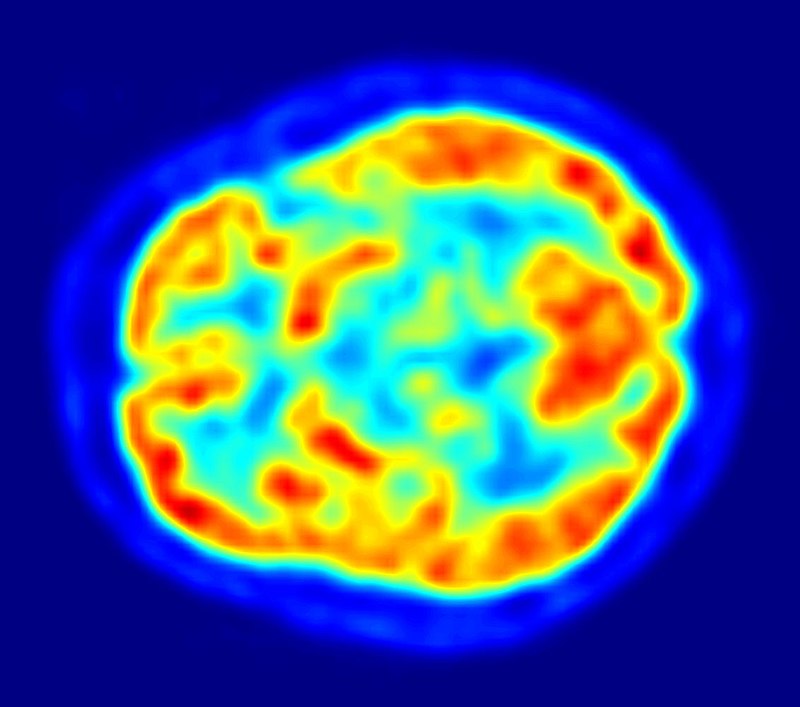
The most harmful effect of stress first occurs in the brain. Strategies and solutions to minimize and cope with the effects of stress must therefore begin with the brain. Scientists conducted a 2017 study on the brain utilizing a $3 million PET (Positive Emission Tomography) scan. A PET scan provides an imagine test that allows doctors to check for diseases and adverse function in the body. The scan injects a special dye with radioactive tracers into a vein in the arm. Organs and tissue absorb the tracers and allow the PET scanner to evaluate function while measuring an array of data ranging from blood flow to oxygen use and much more. Doctors primarily use PET scans to test for cancer and to evaluate the function of the heart, brain, and nervous system.

The 2017 study evaluated the effects of a chiropractic adjustment using the PET scan technology on 21 different subjects. The PET scan determined that brain function increased and stress levels decreased in every single subject. Measurements also recorded the occurrence of multiple changes in brain activity. Movement, posture, emotions, learning, and memory centers of the brain all improved after the Chiropractic adjustment. Brain processing experienced a reduction in fight or flight activity and led to relaxation in the brain and reduced tension in muscles. Measurements also showed a decreased level of stress induced chemicals in the saliva.

The PET scan concluded that chiropractic adjustments reduce stress by changing the brain. Regular chiropractic care amplifies the body’s natural defense against chronic stress and disease. The 2017 study adds another page into an ever-growing compilation of evidence-based research proving the positive impact made by regular chiropractic adjustments on hormones, emotions, cognition, and memory. Chronic stress begins in children and manifests in disease and sickness at all ages. Stress continues to be the single largest reason for doctor-related visits in today’s culture. Chiropractic plays a vital role in helping men and women of all ages overcome the effects of stress without dangerous drugs and chemicals. If you are in Bucks or Montgomery County, then schedule an appointment with us. We would love to be your chiropractor!

chiropractors in montgomery county pa

Your Brain Loves Chiropractic

Most people accept that chiropractic care is a great way to get well from all kinds of painful conditions, like back pain, neck pain, headaches, knee or shoulder injuries, and so on. As valuable as that may be, the latest research says that chiropractic does more than relieve suffering.

chiropractors in montgomery county paNew studies from the Centre for Chiropractic Research in New Zealand have linked chiropractic with improved brain function. Dr. Heidi Haavik, founder and director of the Centre, has shown a connection between chiropractic adjustments and the brain. Specifically, adjustments have a profound impact on the thinking, decision-making part of the brain, the prefrontal cortex.
The more we learn, the more we understand about how important it is to take good care of your brain. Regular chiropractic care is a core component of living a brain-healthy life, but it isn’t all you can do to have a healthy brain – the best brain food is healthy fat, found in foods like olives, fish, nuts, seeds and avocadoes. So, your brain is happy when you eat walnuts or sunflower seeds, when you dress your salad or cook with pure organic olive oil, cook with high-quality coconut oil, or dine on salmon or sardines.

Your brain doesn’t like refined sugar and other carbohydrates. So, your best diet would be low in sugars and high in healthy fats.

Your brain (and the rest of your body) also doesn’t like dehydration. Make sure to drink enough water – if you feel thirsty, drink water. You should aim to increase your water intake and shoot for a goal of drinking half your body weight in ounces of water per day (i.e. 75 ounces for a 150-pound person).

Finally, your brain needs sleep, since it maintains and heals itself while you sleep. Aim for seven hours or more, and your brain function will improve!

Chiropractic care, more healthy fats, less sugar, enough water and sleep – take good care of your brain, and it will take good care of you! Nutrition, hydration, and sleep can be handled on your own, but you cannot deliver a specific adjustment to yourself. If you have never been to a chiropractor or don’t currently have a chiropractor, then we would love to serve as your nervous system specialist. Schedule a consultation to see how chiropractic care can improve your brain and body function and help you live a healthy life!

chiropractic services in warminster pa

Handling the Four Types of Stress

We live in a stressful world, yet some people cope beautifully, while others suffer serious consequences. It turns out that we must learn to deal with four types of stress, and those who do have better health, less illness, and a better outlook on life. Since April is Stress Awareness Month, let’s take a look at what the four types of stresses are and how you can deal with them.

First, there’s physical stress, also known as mechanical stress. This is the wear and tear on your body, especially your spine, walking and existing in a gravitational field that constantly pulls downward on your body, so it has to work to remain upright. This takes a lot of energy and puts mechanical strain on your body. Injuries, repetitive movements, arthritis, poor posture and bad body mechanics all contribute to physical stress. Signs of not adapting to physical/mechanical stress include back and neck pain, stiffness, headaches, vertigo, too much or too little motion of knees, ankles, shoulders or wrists, foot pain, and other painful ailments. The best ways to deal with this kind of stress are through exercise, yoga, massage and chiropractic care.

Second, we have chemical stress, also known as nutritional stress. This is the wear and tear on your organs and blood, usually caused by insufficient nourishment in food, intake of toxic substances like food additives, preservatives, genetically modified organisms (GMO) and chiropractic services in warminster padrug residues in the water supply. Pesticides, weed-killers and other farming chemicals can poison your food products; it is not bad enough to hurt you when you eat them, but it can accumulate in your body over time. Signs of not adapting to chemical/nutritional stress are obesity, diabetes, heart disease, cancer, allergies, skin conditions, food intolerances, and other metabolic illness. Even legitimate medications can create tremendous chemical stress in your body, so anything you can do to minimize the amount of unsafe substances you take into your body, and upgrade the quality of the food and nutrition you get, will make your metabolism work better. This will allow you to adapt better to your chemical/nutritional stresses. Learning to eat and drink to clean your bloodstream and nourish your cells with quality nutrition makes a significant difference.
The third type of stress is mental stress, also known as emotional stress. This is the wear and tear on your mind, usually caused by perception of difficulty and the inability to adapt, in work, with family, with finances, with health or in relationships. Signs of not adapting to mental/emotional stress are nervousness, insomnia, digestive complaints, headaches, back and neck pain, anxiety, depression, anger management issues, and other psychological disorders. To handle such emotional stresses, you could practice stress relaxation techniques like meditation or yoga, or get some counseling. Often physical interventions, like exercise, chiropractic or massage, help to dissipate mental stresses. Sometimes these stresses work together, and their impact is amplified. For example, if you eat too much sugar or drink too much coffee, you may experience nervousness or jitteriness that is both a chemical and a mental stress. Long-term physical back pain can have a debilitating effect on mood or attitude, so it’s both a physical and an emotional stress. Therefore, chiropractors may discuss nutritional supplements, massage, modern stress reduction technology in addition to adjustments to help your body heal, recover, and cope with ongoing stressors in your life.

There’s a fourth kind of stress that is more prevalent now than ever before – it’s vibrational stress, also known as energetic stress. It’s the wear and tear on your energy field, usually caused by the electromagnetic pollution that surrounds us at all times. Cell phones, tablets, laptops, microwave ovens, television – we are constantly bathed in a sea of energy, and while our body handles much of it, the residue of this energy finds its way into our own energy field, interrupting normal tone in the body, especially the brain and nerve system. Signs of not adapting to vibrational stress, are fatigue, confusion, sleep problems, malaise and irritability. It can cross over into physical symptoms, like allergies, skin conditions, digestive complaints, and pain. There are many new approaches that address vibrational stress, like biofeedback, electromagnetic shielding, Epsom salt baths, crystal therapies and other new technologies. At least look to reduce the amount of time you willfully put yourself in a potentially disruptive energy field, like too much time on phone or tablet, or excessive exposure to known radiation sources.

It should be obvious that stress is a very serious topic. Experts have discovered that up to 90% of all disease is caused by some aspect of unresolved stress. We should all be doing everything we can to minimize our current stresses, avoid future stresses, and invest in recovery from our previous stresses. It’s the shortest distance between you and great, vibrant glowing vitality. If stresses are taking a toll on your health and you need some help or guidance dealing with them, call to schedule a consultation!

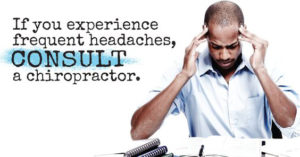
Headaches Are Common But NOT Normal

Headaches aren’t normal, but since they are extremely common in our society, many people mistakenly believe they are. Nearly everyone has an occasional headache, but the frequency for some people may surprise you. About 15% of our population experiences a headache at least once per month, but some estimates show that up to 5% of adults have a headache every – or nearly every – day. This represents many people living with constant, debilitating pain. Due to this fact, headaches are not surprisingly one of the most common causes of disability. They are also one of the top reasons for visiting a doctor. More than 250 million work days are lost each year due to headaches at a cost of 25 billion dollars per year. Although headaches affect the entire population, women are twice as likely as men to suffer from headaches.

chiropractors for headaches in montgomery county paSome people estimate that there are over 100 different types of headaches, and each type is categorized as either primary or secondary. Primary headaches are recurrent headaches that are not caused by underlying disease or structural problems. 90% of headaches are primary headaches. Secondary headaches are caused by some underlying disease or condition. Tension headaches and migraine headaches are by far the most common types of headaches, but other types such as cluster headaches and sinus headaches are important.

Just as there are many different types of headaches, there are also many causes of headaches. The scary thing is that research shows that only 10 percent of headaches have a definitive etiology or cause. Unfortunately, we have a healthcare delivery system that tends to focus on symptoms and effects rather than getting to the root cause of the problem. Every headache is just an effect with an underlying cause. Some potential causes include changes in pressure due to weather changes, fatigue and lack of sleep, sensory stress (i.e. light and sound), food sensitivity, medications, postural stress, hormonal changes, and other problems such as chronic eye strain, high blood pressure and improper diet. In rare cases, headaches can be attributed to more serious conditions such as brain tumors, stroke, meningitis or diabetes.

Getting relief from pain is great, but better than covering up the pain is finding out why you are experiencing the pain in the first place and correcting that. Even though there are many causes or factors that may contribute to the development of headaches, there are many actions that you can take to alleviate or avoid headaches. First would be to address stress. Stress activates our sympathetic, or fight-or-flight, nervous system. This part of the nervous system is housed in the thoracic and lumbar regions of the spine. When we are in a stressful situation, it kicks into gear. Short-term use of the sympathetic nervous system is beneficial to help us fight off a bear or get our project done before a big deadline at work. However, after the stressful situation is over, we are supposed to turn the sympathetics off. This doesn’t occur in our busy lives and our sympathetic nervous system is chronically “on.” Sustained sympathetic tone increases our blood pressure and tenses our muscles, which both can contribute to headaches. Turning the sympathetic nervous system off can be very beneficial and can be achieved by meditating, deep breathing exercises, getting adjusted, and more.

Stretching is also helpful in alleviating or preventing headaches. Many times, due to posture, stress, sitting at a desk all day, etc., the muscles in our neck, in our shoulders, in between our shoulder blades, and at the base of our skull are very tight and tense. Four basic stretches can be done to loosen these muscles. First is the chin tuck. This is where you draw your chin straight back so that your ear lines up with your shoulder. Second is cervical extension. Lean your head backward so that you are looking up toward the ceiling. With your head all the way back, gently apply pressure upward on the bottom of your chin lifting it toward the ceiling. The third stretch is the shoulder roll. Raise both shoulders up toward your ears, then pull them back, then drop them down before returning them to the neutral position. You can perform a forward shoulder roll too. Finally, try a trapezius stretch. Our traps are notorious for holding tension and developing trigger points. Gently pull your left ear toward your left shoulder. You can slightly drop your right shoulder downward to get more of a stretch. Repeat to the other side.

Additional actions that may help reduce headaches revolve around nutrition, hydration, and screen time. Reducing (or eliminating) inflammatory foods such as sugars, grains, dairy, and especially gluten can have a positive impact on headache symptoms. Inflammation can occur anywhere in the body. We give it a name based on what area hurts. In the joints, we call it arthritis. In the head, we call it a headache. Other foods or additives such as MSG and caffeine can also contribute to headache symptoms. Considering a detox to rid these system-irritating foods from your body can be greatly beneficial for your symptoms. Hydration is another important factor for headaches. Many people who are chronically dehydrated experience headaches. Aim to drink half your body weight in ounces of water per day to allow your body to function to the best of its ability. The last suggestion would be to limit screen time. Eye strain can lead to headaches. It is smart to get your eyes checked to make sure you don’t need glasses or a change in prescription. In addition, staring at computers, phones, tablets, etc. can cause tension on your eyes. Consider reducing screen time, especially at night.

If you implement these suggestions and are still suffering from headaches, then schedule an appointment with us at Radiant Life Chiropractic. We have had great success with patients complaining of headaches in the past and would love the opportunity to evaluate you and see if we can help you get on the right track. Many of the services that we provide are extremely effective in helping reduce the pain and dysfunction caused by headaches. Headaches are a big issue in our society, but they don’t have to be a part of your life. You just need to figure out what is causing them and then you can fix it. Try reducing stress, stretching, and addressing potential nutritional issues. If you are still dealing with headaches, then let us help. We can specifically evaluate you and develop a personalized plan to get you the best results possible. Call 215-259-5100 to schedule an appointment to address your pain and get you moving toward true health!